When designing a carbon powder pneumatic conveying system, several critical factors must be considered to ensure efficient operation, reliability, and cost-effectiveness. The process of selecting the right components, understanding material properties, and optimizing system layout are fundamental to achieving successful material handling in industrial applications. This article outlines key design considerations that professionals in the field should evaluate when developing a carbon powder pneumatic conveying system solution.
Understanding Carbon Powder Characteristics
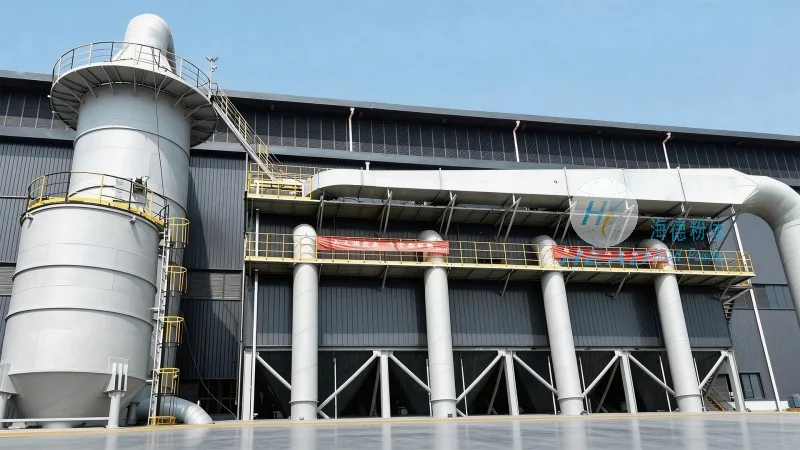
Carbon powders, such as activated carbon or carbon black, possess unique physical and chemical properties that impact system design. These materials often have fine particle sizes, varying densities, and can be prone to static electricity or agglomeration. It is essential to conduct thorough material testing to determine flowability, moisture content, and particle size distribution. This information directly influences the choice of conveying velocity, pipe diameter, and the selection of appropriate equipment like feeders and cyclones. For instance, high moisture content may require additional drying steps or specialized materials for the system components to prevent corrosion or blockages.
System Configuration and Layout
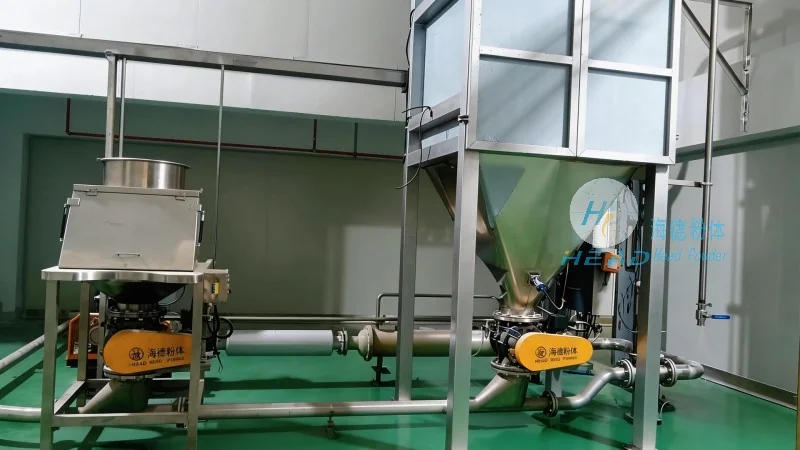
The configuration of a carbon powder pneumatic conveying system typically includes a feed hopper, a material feeder (e.g., rotary valve or screw feeder), a conveying line with appropriate pipe diameter and length, and a collection vessel or cyclone separator. The layout must consider the distance between the feed point and the discharge point, as well as any vertical or horizontal changes in elevation. The choice of pipe material—such as stainless steel, carbon steel, or plastic—depends on the corrosiveness of the carbon powder and the operating conditions. For example, if the carbon powder is acidic or contains moisture, stainless steel may be preferred to prevent corrosion and ensure long-term system performance. The system layout should also account for the need for cleaning and maintenance access points, which are crucial for preventing material buildup and ensuring consistent operation.
Conveying Velocity and Pressure Requirements
Optimizing conveying velocity and pressure is a critical aspect of carbon powder pneumatic conveying system design. The velocity must be sufficient to prevent particle deposition on pipe walls but not so high as to cause excessive wear on components or increase energy consumption. The pressure requirements are determined by the system's total head loss, which includes friction losses in the pipe, losses at fittings, and elevation changes. For carbon powders with high resistance to flow, higher pressure or larger pipe diameters may be necessary to maintain a stable conveying condition. Engineers often use empirical formulas or computational fluid dynamics (CFD) simulations to calculate the required velocity and pressure for a given system. This ensures that the system operates within an efficient range, minimizing energy costs while maintaining reliable material transport.
Equipment Selection for Carbon Powder Handling
The selection of equipment for carbon powder pneumatic conveying is influenced by the material's properties and the system's operational parameters. Feeders are critical components that control the flow rate of the carbon powder into the conveying line. Rotary valves are commonly used for their ability to handle a wide range of particle sizes and provide a consistent feed rate, even under varying pressure conditions. Screw feeders may be preferred for materials that are prone to bridging or agglomeration, as they can provide gentle and continuous material discharge. Cyclone separators are typically used at the discharge end to separate the carbon powder from the air stream, allowing the powder to be collected in a hopper while the air is discharged to the atmosphere or filtered. The choice of cyclone design—such as the number of stages, inlet velocity, and outlet configuration—depends on the particle size distribution and the desired collection efficiency. Additionally, filters may be required to meet environmental regulations or to prevent dust emissions, especially when handling fine carbon powders.
Material Handling and Safety Considerations
Handling carbon powders safely is paramount in pneumatic conveying systems. Carbon powders can be combustible or produce dust explosions if not managed properly. Proper grounding and bonding of equipment are essential to prevent static buildup, which can cause sparks and ignite the powder. The system should also include explosion relief vents or flame arrestors to mitigate the risk of explosions. Additionally, the design should consider the potential for material buildup in the pipe or equipment, which can lead to blockages and system failure. Regular cleaning and maintenance procedures are necessary to prevent these issues and ensure the system operates reliably over time. The use of appropriate sealing and gasket materials is also important to prevent leakage of carbon powder, which can lead to contamination or environmental hazards.
Energy Efficiency and Cost Optimization
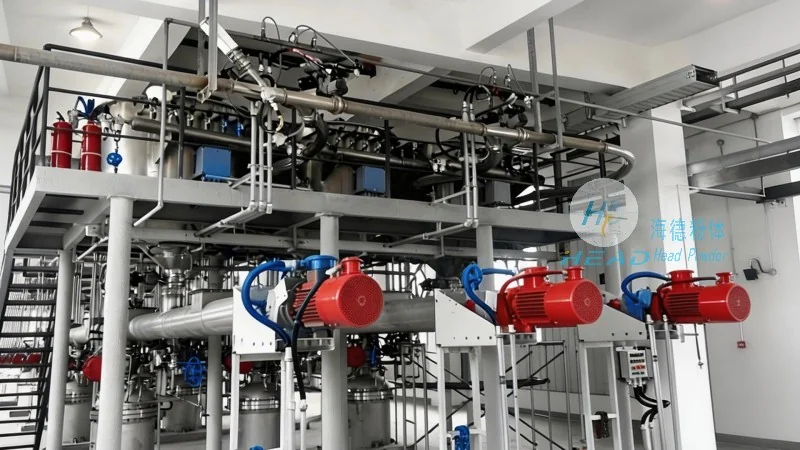
Energy efficiency is a key consideration in the design of carbon powder pneumatic conveying systems. High energy consumption can significantly increase operational costs, making it essential to optimize the system for minimal power usage. This can be achieved by selecting the appropriate pipe diameter and conveying velocity, as mentioned earlier. Additionally, using energy-efficient motors and variable frequency drives (VFDs) for the feeder and blower can help reduce energy consumption. The system should also be designed to minimize pressure losses, which can be achieved by using smooth pipe surfaces and reducing the number of fittings or bends. Regular maintenance and system monitoring can help identify and address inefficiencies, ensuring the system operates at peak performance. By focusing on energy efficiency, companies can reduce their operational costs while maintaining the reliability of their material handling processes.
Conclusion and Recommendations
Designing a carbon powder pneumatic conveying system requires a comprehensive approach that considers material properties, system configuration, equipment selection, and operational considerations. By carefully evaluating these factors, engineers can develop a system that is efficient, reliable, and cost-effective. It is recommended to work with experienced professionals who have expertise in carbon powder handling and pneumatic conveying systems. Companies like Shandong HeadPowder Engineering Co., Ltd., with a focus on providing tailored solutions for industrial material handling, can offer valuable guidance and support in the design and implementation of such systems. By following best practices and considering all relevant factors, industries can achieve successful material transport of carbon powders while minimizing risks and maximizing operational efficiency.




