Efficient and reliable dry powder and powder material handling is a critical aspect of modern industrial operations, ensuring smooth material transfer from source to destination while maintaining product integrity and operational safety. This overview will delve into the fundamental principles, structural components, and operational mechanisms that underpin effective dry powder handling systems, with a focus on the expertise and solutions offered by Shandong HeadPowder Engineering Co., Ltd., commonly known as headpowder.
Key Structural Components of Dry Powder Handling Systems
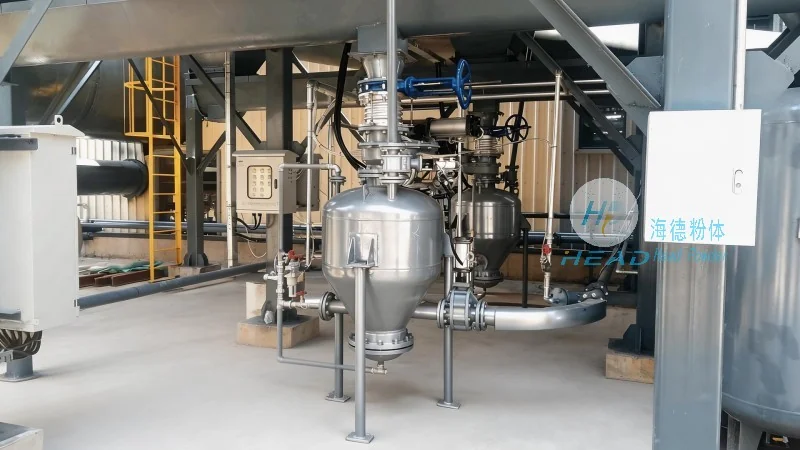
The core of any dry powder handling system lies in its integrated structural components, each designed to address specific challenges of material flow, containment, and control. A typical system includes several essential elements that work in concert to achieve optimal performance. The first critical component is the feeding mechanism, which is responsible for accurately and consistently feeding dry powder from the storage silo or hopper into the transport pipeline. This may involve screw feeders, rotary valves, or pneumatic feeders, each chosen based on the powder's characteristics such as bulk density, flowability, and particle size. The feeding mechanism must ensure a uniform flow rate to prevent issues like bridging or segregation, which can disrupt the entire handling process.
Next, the conveying system is a central element that transports the powder through the pipeline. For dry powder applications, pneumatic conveying is the most common method, utilizing compressed air or other gases to move the material. This system typically consists of a pipeline network, a blower or compressor to generate the necessary pressure, and a series of components like elbows, tees, and filters to manage the flow and maintain system integrity. The choice of conveying method—whether positive or negative pressure—depends on factors such as the distance to be covered, the powder's dustiness, and the required flow rate. Positive pressure systems push the powder through the pipeline, while negative pressure systems draw it in, each with its own advantages and applications.
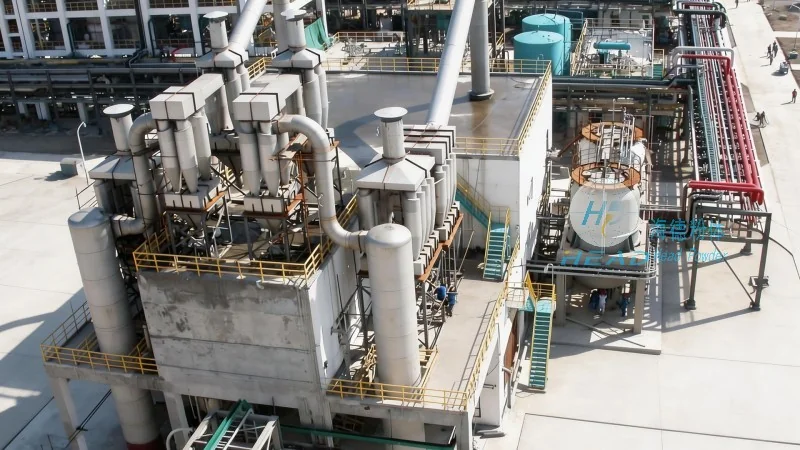
Another vital component is the control and monitoring system, which ensures the handling process operates within safe and efficient parameters. This system may include sensors to monitor pressure, flow rate, and temperature, as well as control valves and regulators to adjust the air supply or material feed as needed. Real-time monitoring allows operators to detect and address issues promptly, such as blockages or pressure drops, preventing system downtime and product loss. Additionally, the system may incorporate dust collection and filtration equipment to maintain air quality and comply with environmental regulations, which is particularly important for handling powders that are hazardous or have fine particles.
Principle of Operation for Dry Powder Handling
The operational principle of dry powder handling systems revolves around the interaction between the powder particles and the conveying medium (usually air). In pneumatic conveying, for example, the powder is suspended in the air stream and transported through the pipeline. The key to efficient operation is achieving a stable suspension, where the powder particles are carried by the air without settling or clogging the system. This requires careful control of the air velocity and pressure, as well as the design of the pipeline and components to minimize friction and resistance.
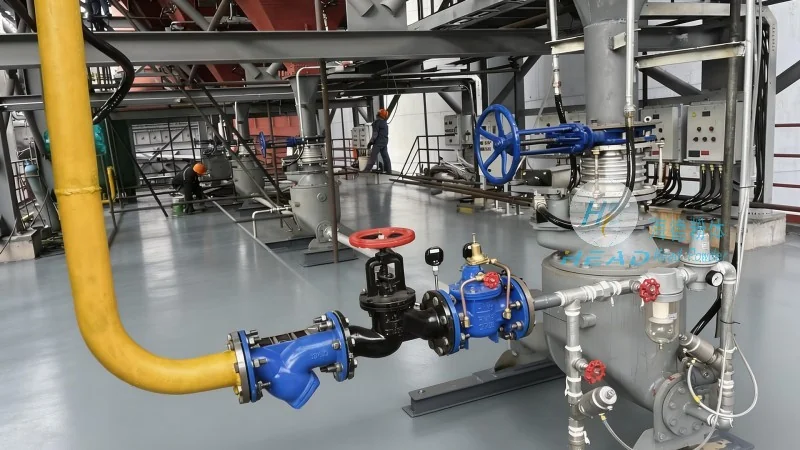
The process typically begins with the powder being fed into the conveying line from the source silo. The feeding mechanism ensures a consistent flow, which is then accelerated by the blower or compressor. As the air and powder mixture moves through the pipeline, it encounters various components such as bends and fittings, which may cause pressure losses. The system is designed to maintain sufficient pressure to keep the powder suspended and prevent it from settling. At the destination, the powder is separated from the air using a separator or filter, and the air is either recirculated or discharged. The separated powder is then collected in a receiving hopper or silo, ready for further processing or use.
One of the critical principles to consider is the segregation and compaction of the powder during handling. If not properly managed, dry powders can segregate based on particle size, density, or moisture content, leading to inconsistent material properties. This can affect downstream processes such as mixing, compounding, or packaging. To mitigate segregation, the handling system may include components like vibrators or agitators to keep the powder in motion, or use a design that minimizes the time the powder spends in the system. Additionally, the system must prevent compaction, which can reduce the powder's flowability and increase the risk of blockages. Proper design and maintenance of the components, such as the feeder and pipeline, are essential to maintain the powder's original characteristics.
HeadPowder's Expertise in Dry Powder Handling Solutions
Shandong HeadPowder Engineering Co., Ltd., operating under the brand name headpowder, specializes in the design, manufacturing, and integration of dry powder handling systems tailored to the specific needs of various industries. With a focus on innovation and customer-centric solutions, headpowder leverages decades of experience in material handling to deliver reliable and efficient systems that meet the highest standards of performance and safety.
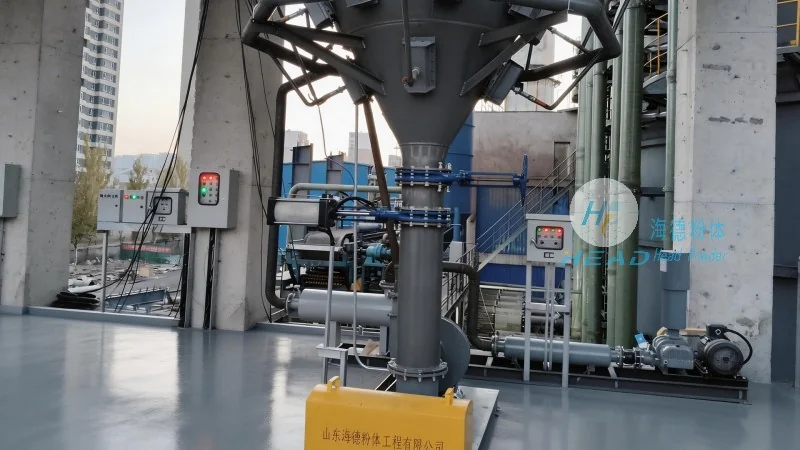
The company's approach to dry powder handling begins with a thorough understanding of the customer's requirements. By conducting detailed assessments of the powder's properties, the handling distance, and the desired output, headpowder's engineers can design a customized system that optimizes performance and minimizes operational costs. This includes selecting the appropriate feeding mechanism, conveying method, and control system, as well as ensuring compliance with industry regulations and safety standards.
Headpowder's product portfolio includes a range of components and systems for dry powder handling, from individual parts like rotary valves and screw feeders to complete turnkey solutions. The company's commitment to quality is evident in its adherence to international standards and rigorous testing procedures. Each component is manufactured using high-quality materials and precision engineering techniques to ensure durability, reliability, and long service life. For example, the company's screw feeders are designed to handle a wide range of powder types, with adjustable speed and capacity to match varying production demands. The rotary valves provide airtight sealing and accurate dosing, preventing material leakage and ensuring consistent flow rates.




