Phosphate iron powder handling is a specialized field within material processing that focuses on the efficient and safe transportation of phosphate iron powders. This article provides an introduction to the fundamental concepts, structural design, and operational principles involved in phosphate iron powder handling systems. By understanding these aspects, users can better appreciate the technology's role in industrial applications and its importance for maintaining process efficiency and safety.
Company Profile and Expertise
HeadPowder, a leading provider in the field, specializes in the engineering and manufacturing of advanced powder handling solutions. With a strong foundation in material science and industrial automation, HeadPowder has developed comprehensive systems tailored to the unique challenges of phosphate iron powder processing. The company's expertise lies in optimizing material flow, ensuring consistent product quality, and enhancing operational reliability in demanding industrial environments. Based in Shandong, China, HeadPowder leverages local manufacturing capabilities and global market insights to deliver high-performance powder handling equipment that meets the evolving needs of the industry.
Structural Principles of Phosphate Iron Powder Handling Systems
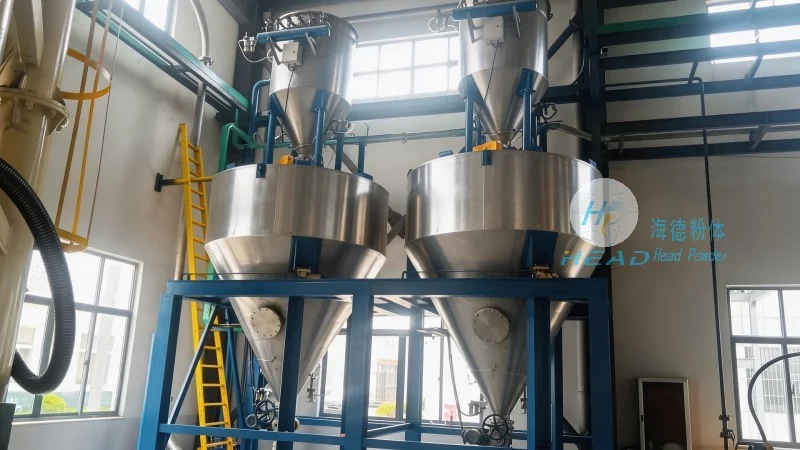
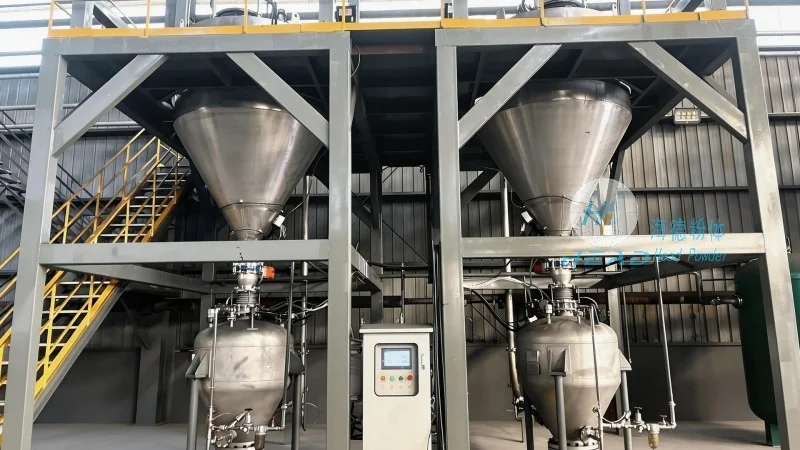
The core of phosphate iron powder handling systems revolves around a series of interconnected components designed to manage the flow, storage, and transfer of the powder. The structural design typically includes feeders, conveyors, storage silos, and control systems, each playing a critical role in the overall operation. Feeders, such as rotary or vibratory types, are used to regulate the discharge rate of phosphate iron powder from storage containers, ensuring a consistent feed to downstream processing equipment. Conveyors, including pneumatic or mechanical systems, transport the powder from one location to another, often over long distances or within complex production layouts. Storage silos provide bulk storage capacity, allowing for the accumulation of phosphate iron powder while maintaining its quality and preventing caking or segregation. Control systems, equipped with sensors and automation logic, monitor and adjust the operation of these components in real-time, optimizing performance and minimizing downtime.
Working Mechanisms and Operational Efficiency
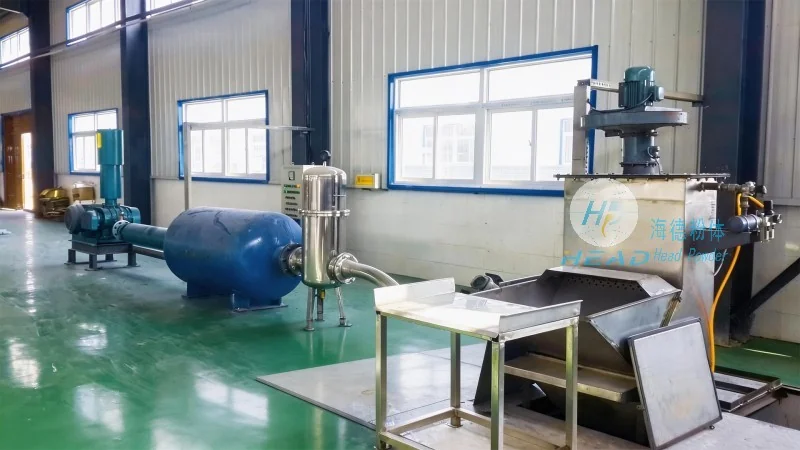
The working mechanisms of phosphate iron powder handling systems are centered on the principles of material flow dynamics and mechanical energy transfer. The system's efficiency is determined by how effectively it can handle the specific properties of phosphate iron powder, such as its particle size distribution, density, and flowability. For instance, the design of feeders must account for the powder's tendency to aggregate or form bridging, which can impede flow. Advanced feeder designs, including variable-speed motors and adjustable feed rates, help mitigate these issues by maintaining a smooth and continuous material flow. Conveyors, particularly pneumatic systems, utilize air pressure to move the powder through pipelines, which is especially effective for handling fine powders that are difficult to transport mechanically. Mechanical conveyors, such as belt or screw conveyors, are also used for bulk transport, offering high capacity and reliability. The integration of sensors, such as level detectors and flow meters, allows for real-time monitoring of the powder's position and flow rate, enabling automated adjustments to maintain optimal operating conditions. This closed-loop control system enhances operational efficiency by reducing manual intervention and minimizing the risk of material loss or equipment damage.
Key Components and Their Functions
Several key components are integral to the structural and functional integrity of phosphate iron powder handling systems. The storage silo, typically made of steel or other corrosion-resistant materials, serves as the primary container for phosphate iron powder. Its design includes features like conical bottoms and internal liners to prevent material buildup and ensure easy discharge. The feeder, positioned at the bottom of the silo, regulates the powder's discharge rate. Rotary feeders, which use a rotating drum to move material, are commonly used for their ability to handle a wide range of powder types and flow rates. Vibratory feeders, on the other hand, use mechanical vibrations to promote material flow, making them suitable for powders with poor flow characteristics. The conveyor system, which may consist of a series of pipes or a belt, transports the powder from the silo to the processing equipment. Pneumatic conveyors use compressed air to create a flow of powder, while mechanical conveyors rely on mechanical motion. The control panel, equipped with programmable logic controllers (PLCs) and human-machine interfaces (HMIs), manages the operation of all components. It receives input from sensors and sends commands to actuators, ensuring that the system operates in a coordinated manner. Safety features, such as emergency stop buttons and overload protection, are also integrated into the control system to prevent accidents and protect personnel.
Applications and Industry Impact
Phosphate iron powder handling systems are widely used in various industrial applications, including battery manufacturing, chemical processing, and metal powder production. In battery manufacturing, for example, phosphate iron powder is a key component in lithium iron phosphate (LFP) batteries, which are increasingly popular due to their high energy density and long cycle life. The efficient handling of phosphate iron powder is crucial for maintaining the quality and consistency of battery cells, as any variation in powder flow can affect the battery's performance and lifespan. In chemical processing, phosphate iron powder is used as a catalyst or raw material in the production of various chemicals, and reliable handling systems ensure that the powder is delivered to reactors in the correct quantity and at the right time. The metal powder industry also relies on phosphate iron powder handling systems for the production of sintered parts and other metal components. The ability to handle phosphate iron powder efficiently contributes to the overall productivity and cost-effectiveness of these processes. By optimizing the handling of phosphate iron powder, industries can improve their operational efficiency, reduce material waste, and enhance product quality. This, in turn, leads to a competitive advantage in the market and contributes to the sustainable development of the industry.
Conclusion and Future Developments
In conclusion, phosphate iron powder handling systems are essential for the efficient and safe processing of phosphate iron powder in various industrial applications. The structural design and working mechanisms of these systems are carefully engineered to address the unique challenges posed by the powder's properties. Companies like Shandong HeadPowder Engineering Co., Ltd. play a vital role in developing and providing advanced powder handling solutions that meet the demands of modern industry. As technology advances, future developments in phosphate iron powder handling may include more sophisticated automation, improved material flow control, and the integration of artificial intelligence for predictive maintenance. These advancements will further enhance the efficiency and reliability of powder handling systems, ensuring that they remain a critical component in the industrial landscape. By understanding the principles and components of phosphate iron powder handling, stakeholders can make informed decisions about the implementation and optimization of these systems, ultimately contributing to the success of their operations.




