Slag powder conveying systems are critical components in industrial operations, particularly in the processing and handling of slag materials. These systems are designed to efficiently transport fine slag powders from one location to another, ensuring smooth and continuous material flow. The primary goal of such systems is to maintain high operational efficiency while minimizing downtime and material loss. In this overview, we will explore the key components, structural design, and working principles of slag powder conveying systems, with a focus on the engineering solutions provided by Shandong HeadPowder Engineering Co., Ltd.
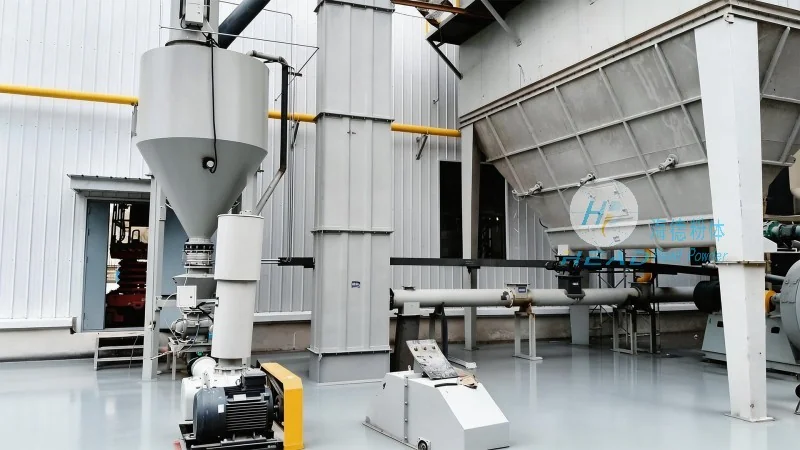
Key Components of Slag Powder Conveying Systems
The core components of a slag powder conveying system typically include a feeding mechanism, a conveying device, a control system, and a discharge unit. The feeding mechanism is responsible for introducing the slag powder into the system, often using a hopper or a feeder that can handle fine powders without causing blockages. The conveying device, which is the heart of the system, can vary in type depending on the application, such as pneumatic conveyors, mechanical conveyors, or a combination of both. For example, pneumatic conveying systems use air pressure to move the powder through a pipeline, while mechanical conveyors rely on rotating components like screws or belts. The control system manages the operation of these components, ensuring that the conveying process is regulated and safe. Finally, the discharge unit collects the conveyed slag powder and directs it to the intended destination, such as a storage silo or a processing unit.
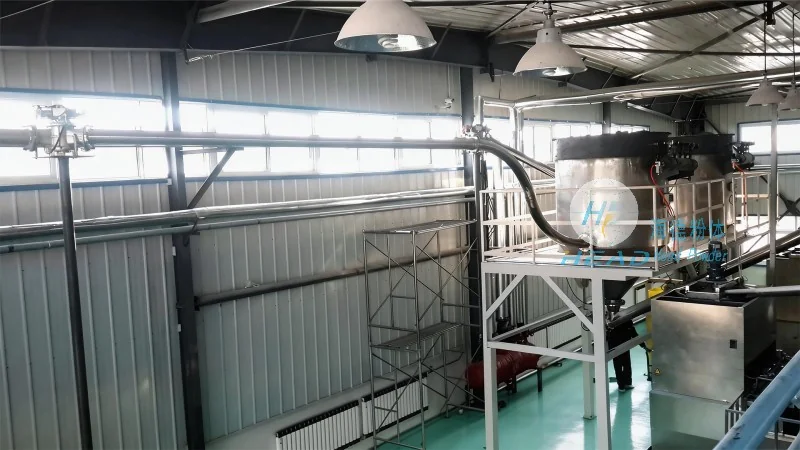
Structural Design and Working Principles
The structural design of a slag powder conveying system is tailored to handle the specific characteristics of slag powders, which are often abrasive, fine, and potentially corrosive. The system must be constructed from materials that can withstand these conditions, such as stainless steel or specialized alloys, to prevent wear and corrosion. The pipeline design is also critical, with smooth inner surfaces to minimize friction and reduce the risk of material buildup. The working principle of the system involves the introduction of the slag powder into the conveying device, where it is then propelled through the pipeline by air pressure or mechanical force. In pneumatic systems, compressed air is used to create a flow that carries the powder particles, while in mechanical systems, the rotating components push the powder along the conveyor. The control system monitors the pressure, flow rate, and other parameters to maintain optimal operation. This design ensures that the slag powder is transported efficiently and safely, with minimal degradation of the material.
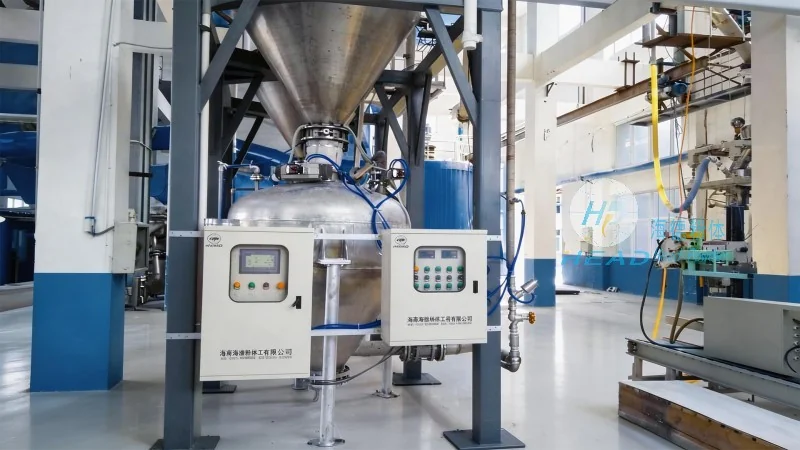
Engineering Solutions by Shandong HeadPowder Engineering Co., Ltd.
Shandong HeadPowder Engineering Co., Ltd., commonly known as headpowder, specializes in the design, manufacturing, and installation of advanced slag powder conveying systems. With a focus on innovation and customer-specific solutions, the company has developed a range of systems that cater to various industrial needs. The company's engineers work closely with clients to understand their operational requirements and material characteristics, ensuring that the final system is tailored to meet their exact specifications. The systems are built with high-quality materials and components, adhering to international standards for safety and performance. The company also provides comprehensive after-sales support, including maintenance, repair, and technical assistance, to ensure the long-term reliability of the conveying systems. By leveraging their expertise in powder handling technology, headpowder has become a trusted partner for industries dealing with slag materials, providing reliable and efficient solutions that enhance operational productivity.




