

Technical Parameters of Molding Sand and Conveying System Process
Shandong HeadPowder Engineering Co., Ltd., commonly known as headpowder, is a professional enterprise dedicated to the research, development, and application of molding sand technology. With its headquarters in Shandong, China, the company has established itself as a key player in the foundry industry, focusing on optimizing the performance of molding sand through precise technical parameters and advanced conveying systems. This article delves into the critical technical parameters that define high-quality molding sand and the efficient processes involved in its transportation, highlighting the expertise and solutions offered by headpowder. The company's commitment to quality and innovation has enabled it to serve a wide range of clients, from small-scale foundries to large industrial manufacturers, providing tailored solutions that meet their specific needs.
Key Technical Parameters of Molding Sand
The performance of molding sand in foundry applications is heavily influenced by several key technical parameters. These parameters are meticulously controlled to ensure the sand meets the required standards for casting quality, dimensional accuracy, and surface finish. The primary technical parameters include moisture content, grain size distribution, clay content, and strength characteristics. Moisture content, typically ranging from 2% to 6% depending on the application, affects the sand's plasticity and mold strength. Grain size distribution, often characterized by the proportion of fine, medium, and coarse particles, impacts the sand's permeability and collapsibility. Clay content, usually between 5% and 15%, contributes to the sand's bonding properties and helps in achieving the desired mold strength. Additionally, strength parameters such as compressive strength and tensile strength are critical for evaluating the sand's ability to withstand the forces during the casting process. By precisely managing these parameters, headpowder ensures that the molding sand consistently delivers optimal performance in various foundry operations. For example, in high-pressure die casting, the sand must have low moisture content and high strength to prevent defects like porosity and surface roughness. In contrast, for sand casting of large components, the sand may require higher moisture content and better collapsibility to facilitate easy mold removal. headpowder's expertise lies in formulating the right mix of these parameters to suit different casting processes and materials.
Conveying System Technology for Molding Sand
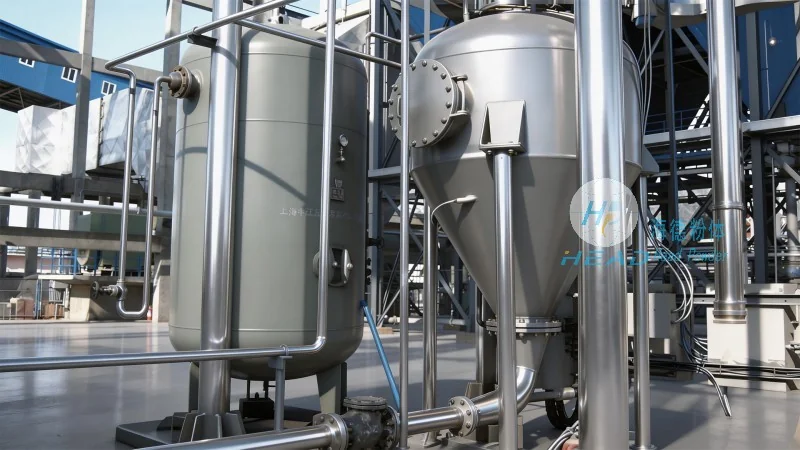
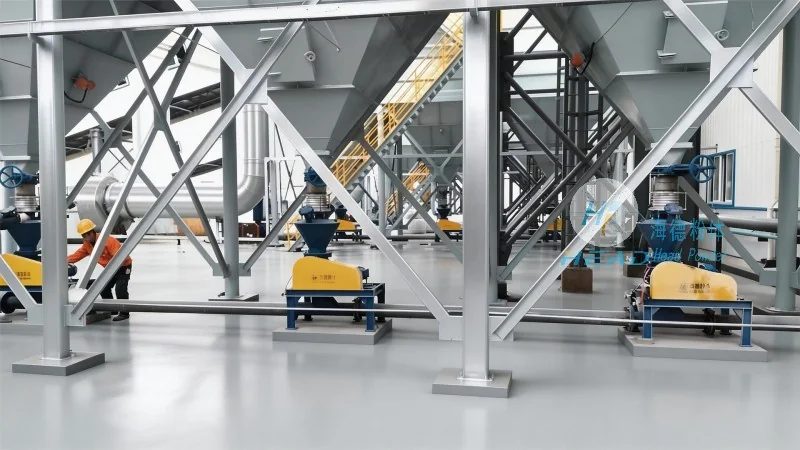
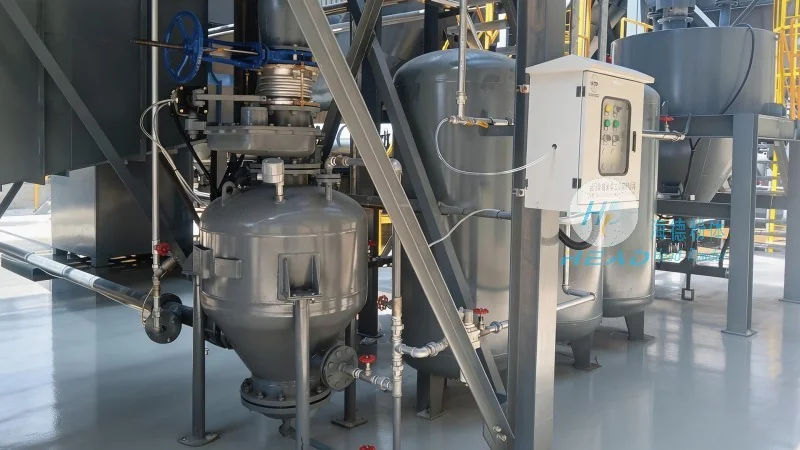
The efficient transportation of molding sand from storage to the molding line is essential for maintaining consistent quality and reducing downtime in foundry operations. headpowder has developed advanced conveying systems that integrate seamlessly with existing production lines. These systems utilize a combination of technologies, including pneumatic conveying, mechanical screw conveyors, and bucket elevators, to handle the sand with minimal loss and contamination. The conveying process is designed to maintain the sand's moisture content and particle integrity, which are crucial for maintaining the desired technical parameters. For instance, pneumatic conveying systems use compressed air to move the sand through pipelines, ensuring a uniform flow and preventing segregation of different particle sizes. This method is particularly effective for handling fine powders and maintaining low moisture levels. Mechanical screw conveyors are ideal for horizontal or slight incline transport, providing reliable and low-maintenance operation. They are suitable for transporting larger quantities of sand and can be easily integrated with other equipment in the production line. Bucket elevators are used for vertical transport, offering high capacity and efficient material handling. They are commonly used in foundries where the sand needs to be lifted to different levels of the production line. The integration of these technologies in headpowder's conveying systems ensures that the molding sand is delivered to the molding machines in a controlled manner, minimizing variations in moisture and grain size. This not only improves the overall casting quality but also enhances the productivity and efficiency of the foundry. Furthermore, headpowder's systems are equipped with sensors and control mechanisms that monitor the flow rate, pressure, and temperature of the sand during transportation. This real-time monitoring allows for immediate adjustments if any deviations occur, ensuring that the sand's technical parameters remain within the specified range throughout the conveying process.