Denitrification urea powder conveying systems are critical components in industrial processes that require the efficient transport of urea, a key raw material used in various applications such as fertilizer production and chemical synthesis. These systems are designed to handle urea powder in a manner that ensures minimal dust generation, high conveying efficiency, and compliance with environmental regulations, particularly those related to nitrogen oxide emissions. The following overview provides a detailed look at the structure and operational principles of such systems, along with insights into the engineering solutions offered by Shandong HeadPowder Engineering Co., Ltd.
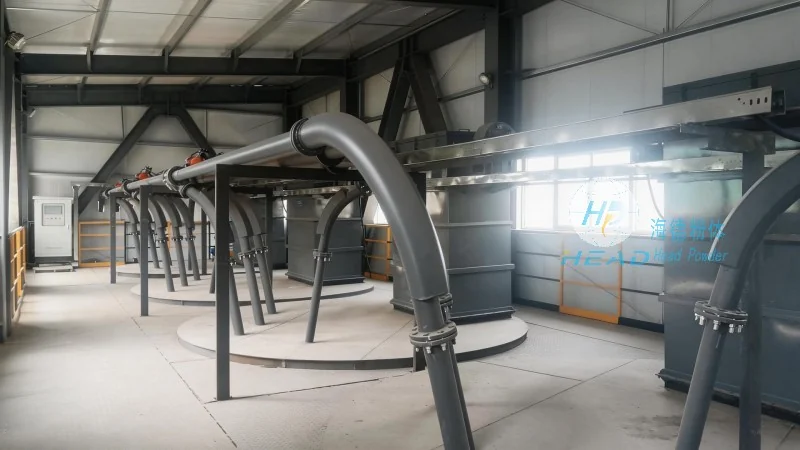
At the core of a denitrification urea powder conveying system is a combination of mechanical and pneumatic components that work in tandem to move urea powder from storage silos or processing units to the point of use. The system typically includes a hopper, which serves as the initial collection point for the urea powder, equipped with a rotary valve or feeder to control the flow rate. This feeder ensures a consistent and controlled discharge of the powder into the conveying line. The conveying line itself is often constructed from materials resistant to urea's chemical properties, such as stainless steel or specialized polymers, to prevent corrosion and material degradation over time.
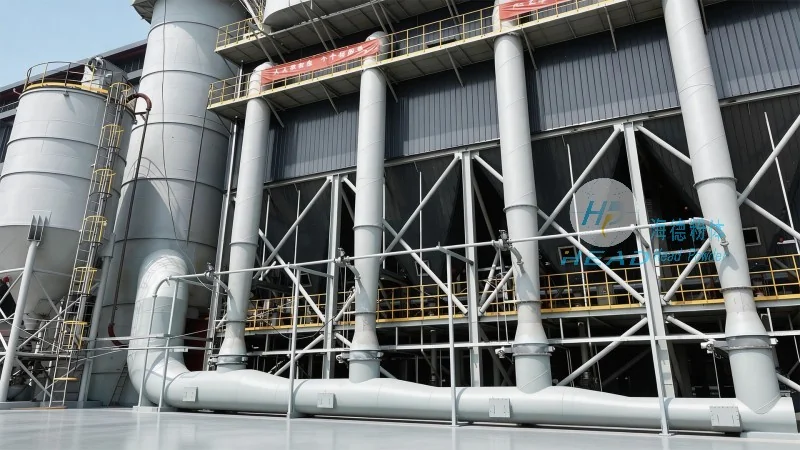
A critical component in the system is the airlock or rotary valve at the discharge end, which prevents backflow and maintains a positive pressure within the conveying line. This positive pressure is essential for maintaining the flow of urea powder and preventing dust leakage. The system may also incorporate a dust collection system, such as a bag filter or cyclone separator, to capture any airborne particles and ensure compliance with environmental standards. The design of the conveying system is optimized for durability and reliability. The hopper and feeder are constructed with robust materials to withstand the abrasive nature of urea powder, while the conveying line is configured to handle the specific flow characteristics of the material. The system's components are arranged to facilitate easy maintenance and cleaning, reducing downtime and operational costs. Shandong HeadPowder Engineering Co., Ltd. specializes in the design, manufacturing, and installation of these systems, leveraging years of experience in powder handling technology to deliver solutions that meet the unique needs of industrial clients.
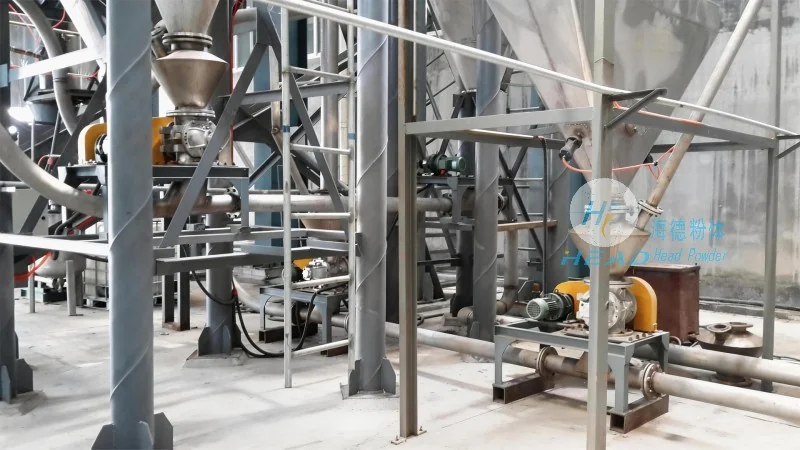
Operational principles of the denitrification urea powder conveying system revolve around the use of compressed air to create a flow of urea powder through the conveying line. The air is introduced at the inlet of the hopper, creating a pressure differential that propels the powder forward. The speed and pressure of the air are carefully controlled to ensure that the urea powder is conveyed without causing excessive wear on the system components. The system's control panel allows operators to monitor and adjust the flow rate, pressure, and other parameters in real-time, ensuring optimal performance and safety. This control system is essential for maintaining the system's efficiency and preventing operational issues such as blockages or excessive dust generation.
Environmental considerations are a key aspect of denitrification urea powder conveying systems. The design incorporates features to minimize nitrogen oxide emissions, which are a byproduct of urea's application in certain processes. The system's components are selected to reduce friction and heat generation, thereby lowering the formation of nitrogen oxides. Additionally, the dust collection system ensures that any airborne particles are captured and treated before being released into the environment. This commitment to environmental compliance is a hallmark of Shandong HeadPowder Engineering Co., Ltd.'s engineering solutions, which are designed to meet or exceed industry standards for sustainability and safety.
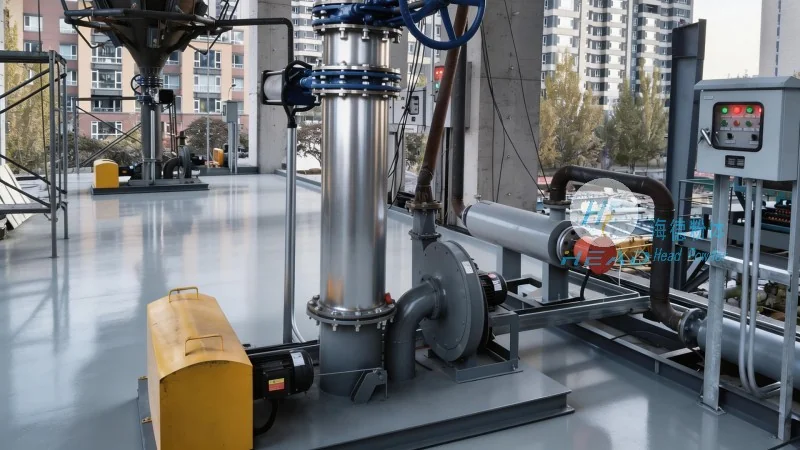
In summary, denitrification urea powder conveying systems are sophisticated industrial solutions that combine mechanical engineering, material science, and environmental technology to efficiently transport urea powder while minimizing environmental impact. The structural design and operational principles of these systems are tailored to meet the specific requirements of industrial applications, ensuring high performance, reliability, and compliance with regulations. Shandong HeadPowder Engineering Co., Ltd. plays a vital role in providing these systems, leveraging its expertise to deliver solutions that enhance operational efficiency and sustainability for its clients.




