When designing a pneumatic conveying system for titanium dioxide, several critical factors must be considered to ensure efficiency, reliability, and cost-effectiveness. Titanium dioxide, a widely used white pigment in industries such as coatings, plastics, and paper, requires specialized handling due to its fine particle size and potential for dust generation. A well-designed system not only optimizes material transport but also enhances safety and operational longevity.
Key Design Considerations for Pneumatic Conveying
The success of a titanium dioxide pneumatic conveying system hinges on a comprehensive understanding of material properties, system components, and operational parameters. First, the particle size distribution and bulk density of titanium dioxide are paramount. Fine particles may require higher air velocities to prevent blockages, while bulk density influences the required air flow rate. Additionally, the system must account for the material's moisture content and potential agglomeration, as these factors can impact flow characteristics and equipment wear.
System Components and Their Roles
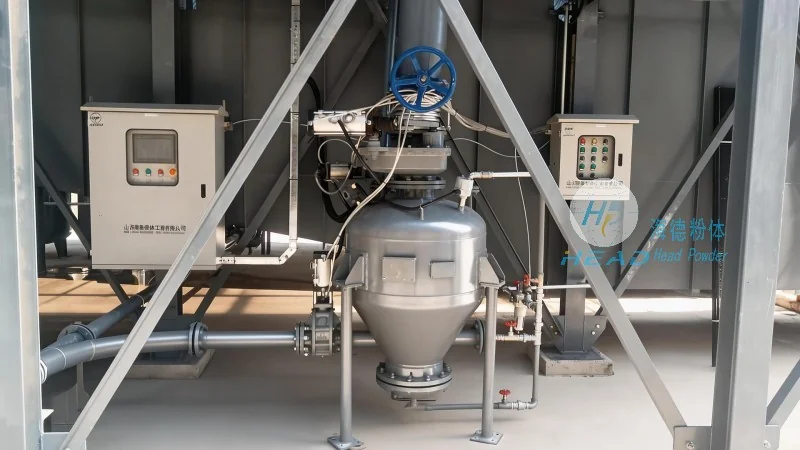
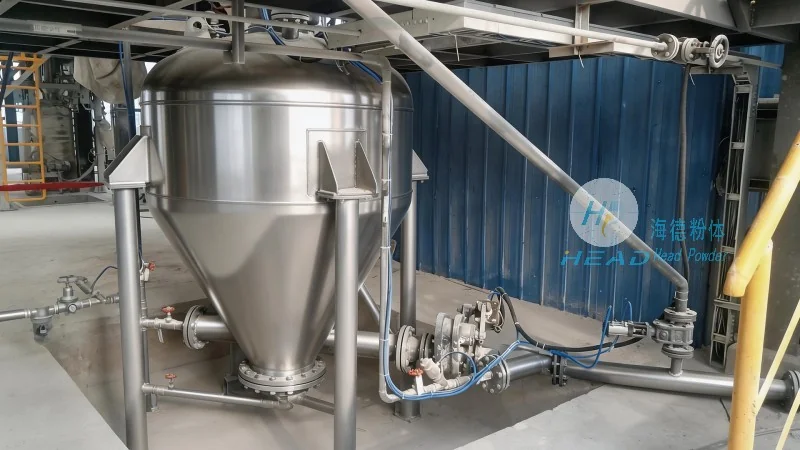
Key components in a pneumatic conveying system for titanium dioxide include the feed hopper, air compressor, conveying line, and receiver. The feed hopper is designed to store and meter the material, often equipped with a rotary valve or screw feeder to control discharge. The air compressor provides the necessary pressure and volume of air to transport the material through the pipeline. The conveying line, typically made of stainless steel or plastic, must be resistant to corrosion and abrasion from titanium dioxide particles. The receiver, or discharge hopper, collects the material and may include a dust collection system to prevent environmental contamination.
Material Handling Challenges and Solutions
Titanium dioxide presents unique challenges in pneumatic conveying, such as high dust generation and the risk of particle segregation. To mitigate these issues, systems often incorporate dust suppression measures, such as cyclone separators or bag filters, to capture fine particles and prevent air pollution. Additionally, the use of flexible hoses or flexible connectors can help reduce wear and tear on the conveying line, extending its lifespan. Proper maintenance, including regular cleaning of components and monitoring of air pressure, is essential to maintain system performance and prevent downtime.
Energy Efficiency and Operational Costs
Energy consumption is a significant factor in the long-term operation of a pneumatic conveying system. Optimizing air flow rates and compressor settings can reduce energy costs while maintaining material transport efficiency. Variable frequency drives (VFDs) on air compressors allow for adjustable air pressure, adapting to varying material feed rates and minimizing energy waste. Furthermore, selecting the appropriate conveying line diameter and air velocity based on the material's properties can balance performance and energy use, leading to lower operational expenses over time.
Safety and Environmental Compliance
Given the potential health risks associated with titanium dioxide dust, safety is a top priority in system design. The system must include proper ventilation and dust collection to prevent inhalation hazards. Additionally, the use of explosion-proof components and fire suppression systems may be required in certain applications, depending on the facility's safety regulations. Environmental compliance is also critical, as regulations often mandate the capture and disposal of dust emissions. Implementing a closed-loop system with minimal air leakage helps meet these requirements while maintaining operational efficiency.
Case Study: Successful Implementation by Shandong HeadPowder Engineering Co., Ltd.
Shandong HeadPowder Engineering Co., Ltd., a leading provider of pneumatic conveying solutions, has successfully implemented titanium dioxide handling systems for numerous clients. By leveraging their expertise in material science and engineering, the company designs customized systems tailored to each client's specific needs. For example, a recent project involved a large-scale titanium dioxide plant in China, where the company integrated a high-capacity pneumatic conveying system with advanced control technology. The system achieved a 20% reduction in energy consumption compared to traditional methods and improved material throughput by 15%, demonstrating the effectiveness of their design approach.




