When it comes to handling and transporting coconut shell powder, the choice of a pneumatic conveying system is often critical for efficiency and reliability. This article provides an overview of key design considerations that companies like Shandong HeadPowder Engineering Co., Ltd. take into account when developing solutions tailored to the unique characteristics of coconut shell powder. The focus is on ensuring optimal performance, minimal product degradation, and cost-effective operation.
Understanding the Unique Properties of Coconut Shell Powder
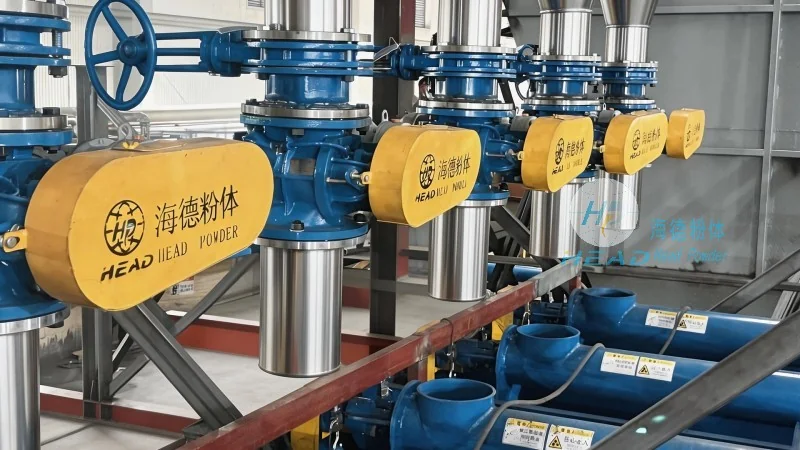
Coconut shell powder presents specific challenges during material handling due to its particle size, moisture content, and flow characteristics. Unlike many other powders, coconut shell powder can be prone to bridging, segregation, and caking, which can impact the effectiveness of traditional conveying methods. Shandong HeadPowder Engineering Co., Ltd. recognizes these challenges and designs systems that address them through careful selection of equipment and system configuration. For instance, the particle size distribution of coconut shell powder typically ranges from fine to coarse, requiring systems capable of handling a wide range of particle sizes without causing excessive pressure drops or blockages.
Key Design Elements for Efficient Pneumatic Conveying
Several key design elements are essential for the successful operation of a pneumatic conveying system for coconut shell powder. These include the type of conveying system (e.g., pressure or vacuum), the selection of appropriate ductwork materials, and the integration of necessary components such as feeders, cyclones, and filters. Shandong HeadPowder Engineering Co., Ltd. emphasizes the importance of matching the system design to the specific application requirements. For example, pressure conveying systems are often preferred for long-distance transport due to their ability to maintain consistent flow rates and pressure levels, while vacuum systems may be more suitable for short-distance or batch operations. The choice of ductwork material is also critical, as coconut shell powder can be abrasive and may cause wear on metal surfaces over time. Materials like stainless steel or high-grade plastic are commonly used to ensure durability and prevent contamination.
Feeder Selection and Material Handling Challenges
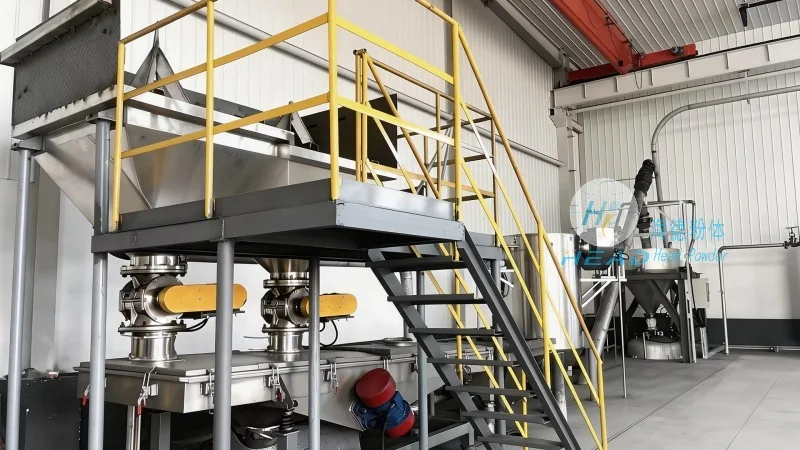
The feeder is a critical component in any pneumatic conveying system, as it controls the flow rate and consistency of the material being conveyed. For coconut shell powder, the selection of an appropriate feeder is crucial to prevent issues such as surging, choking, or uneven flow. Shandong HeadPowder Engineering Co., Ltd. recommends using rotary valves or screw feeders for consistent material delivery, especially when dealing with powders that have a tendency to bridge or segregate. These feeders can be equipped with features like variable speed drives and anti-jam mechanisms to enhance performance and reliability. Additionally, the feeder design must consider the moisture content of the coconut shell powder, as higher moisture levels can affect the flow characteristics and may require additional drying or conditioning steps before conveying.
Cyclone Separation and Air Filtration Systems
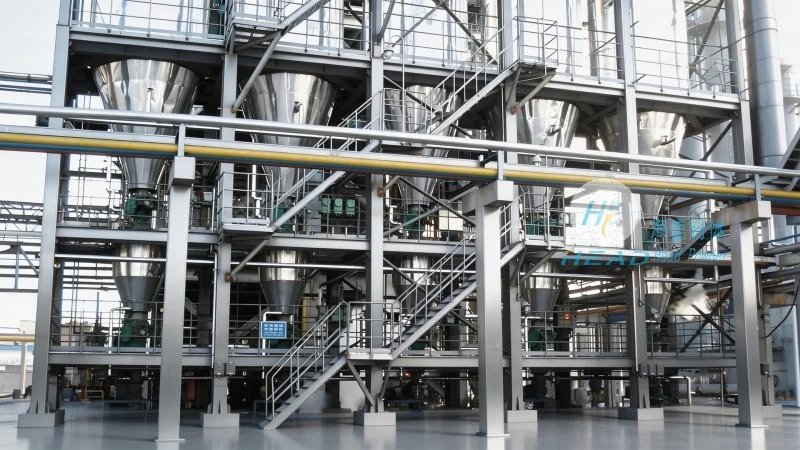
Efficient separation of the conveyed material from the air stream is essential to maintain system performance and prevent product loss or contamination. Cyclones are commonly used in pneumatic conveying systems to separate larger particles from the air, while filters are used to capture fine powder particles and prevent them from being released into the environment. Shandong HeadPowder Engineering Co., Ltd. designs systems with appropriate cyclone sizes and configurations based on the particle size distribution of the coconut shell powder. The cyclone design must be optimized to handle the specific flow rates and pressure conditions of the system, ensuring that the separated powder is collected efficiently without causing excessive pressure losses. Air filtration systems are also critical, as they protect the environment from dust emissions and maintain compliance with environmental regulations. High-efficiency particulate air (HEPA) filters or bag filters are often used to ensure that the air discharged from the system meets the required standards.
System Integration and Control Strategies
Effective control of the pneumatic conveying system is essential for maintaining optimal performance and minimizing downtime. Shandong HeadPowder Engineering Co., Ltd. incorporates advanced control strategies into their designs, including automated monitoring of pressure, flow, and temperature parameters. These controls help to detect and correct issues such as blockages or pressure drops in real-time, ensuring that the system operates within its design limits. The integration of sensors and control systems also allows for data collection and analysis, which can be used to optimize system performance over time. For example, by monitoring the pressure drop across the ductwork, operators can identify areas of excessive wear or clogging and take corrective action before significant damage occurs. Additionally, the control system can be programmed to adjust the conveying speed or pressure based on the material feed rate, ensuring that the system operates efficiently under varying load conditions.




