For coffee processing facilities, the design of a reliable coffee bean pneumatic conveying system is critical to maintaining product quality, ensuring operational efficiency, and minimizing downtime. A well-engineered system not only facilitates the smooth transport of coffee beans from storage to processing stages but also plays a vital role in preserving the integrity of the beans. This article outlines key design considerations and solutions tailored for coffee bean pneumatic conveying systems, presented by Shandong HeadPowder Engineering Co., Ltd., a leading provider in the field.
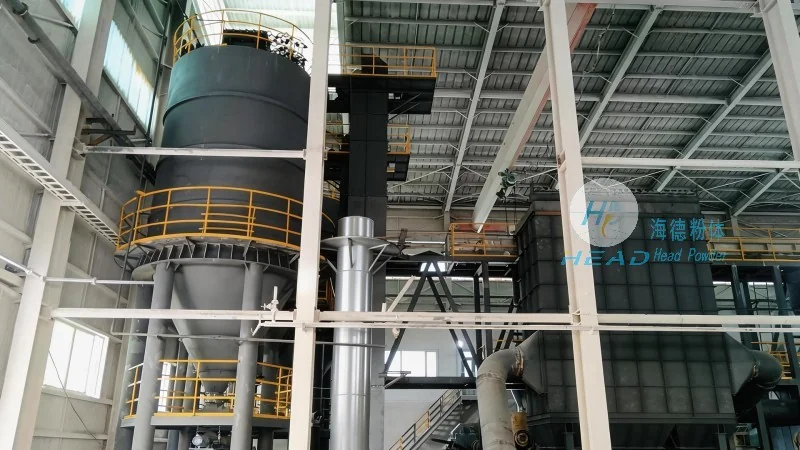
Understanding the Core Requirements of Coffee Bean Pneumatic Conveying
Before delving into specific design elements, it is essential to understand the unique characteristics of coffee beans and the operational demands of a coffee processing plant. Coffee beans are typically handled in bulk, often with varying moisture content and size, which influences the choice of conveying technology. The goal is to develop a system that can handle these variables while maintaining low maintenance costs and high reliability. Shandong HeadPowder Engineering Co., Ltd. emphasizes the importance of matching the system design with the specific processing capacity and the physical properties of the coffee beans being transported.
Material Handling Challenges in Coffee Bean Conveying
Coffee beans present several challenges for pneumatic conveying systems. These include the need to handle abrasive materials, potential for dust generation, and the sensitivity of the beans to pressure and temperature changes. Abrasion can lead to wear and tear on system components, reducing the lifespan of the equipment. Dust control is another critical aspect, as excessive dust can affect the quality of the final coffee product and pose health and safety risks. The system must be designed to minimize dust generation while effectively capturing and filtering it. Shandong HeadPowder Engineering Co., Ltd. addresses these challenges by incorporating robust materials for components, advanced filtration systems, and efficient dust management strategies.
System Design Elements for Optimal Performance
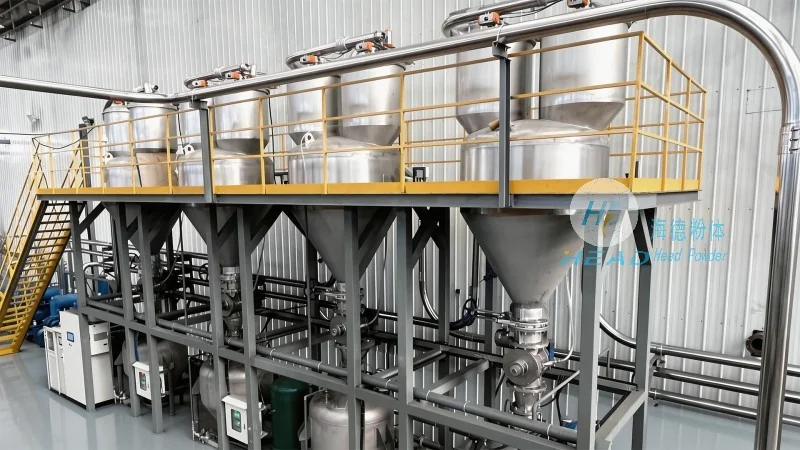
The design of a coffee bean pneumatic conveying system involves several key elements that contribute to its overall performance. These include the type of conveying system (e.g., dilute phase vs. dense phase), the selection of appropriate air velocity, the configuration of the pipeline network, and the integration of necessary control mechanisms. Dilute phase systems are commonly used for coffee bean transport due to their ability to handle larger volumes with lower air pressure, making them energy-efficient and cost-effective. The air velocity must be carefully calculated to ensure that the coffee beans are transported without causing excessive wear or damage. The pipeline network should be designed to minimize pressure drops and ensure consistent flow, which is crucial for maintaining system efficiency. Shandong HeadPowder Engineering Co., Ltd. employs advanced computational fluid dynamics (CFD) and engineering expertise to optimize these design parameters, resulting in systems that deliver superior performance and longevity.
Component Selection and Material Considerations
The choice of materials for system components is paramount in a coffee bean pneumatic conveying system. Coffee beans are abrasive and can cause significant wear on metal surfaces over time. Therefore, components such as pipes, elbows, and valves must be constructed from durable materials like stainless steel or specialized alloys that resist corrosion and abrasion. Additionally, the system must be designed to handle potential moisture in the coffee beans, as moisture can lead to rust and other degradation issues. Shandong HeadPowder Engineering Co., Ltd. selects materials based on the specific operating conditions and the characteristics of the coffee beans, ensuring that the system components are both durable and cost-effective. This attention to material selection extends to the filtration and separation equipment, which must be capable of handling fine coffee dust without clogging or requiring frequent maintenance.
Integration with Processing Facilities and Automation
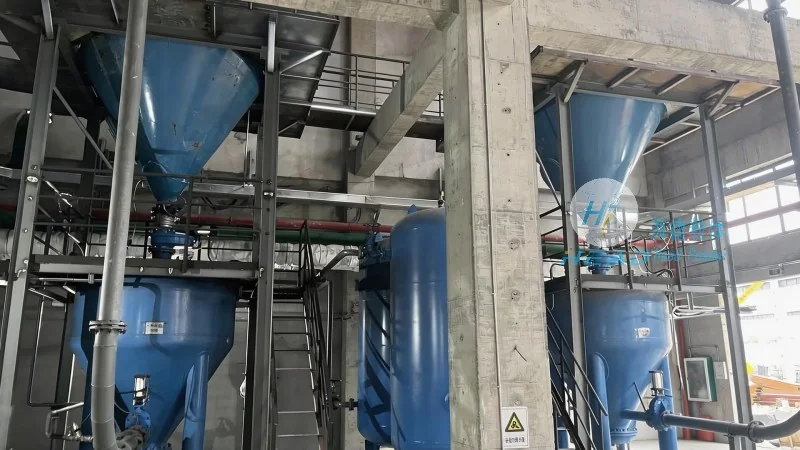
A modern coffee bean pneumatic conveying system is often integrated with the broader processing facility, including storage silos, roasting equipment, and packaging lines. This integration requires careful coordination to ensure seamless material flow and minimize bottlenecks. Automation plays a crucial role in optimizing the operation of the system, as it allows for real-time monitoring of flow rates, pressure, and other critical parameters. Automated control systems can adjust air pressure and flow rates based on the volume of coffee beans being transported, ensuring efficient operation and reducing energy consumption. Shandong HeadPowder Engineering Co., Ltd. specializes in designing systems that are fully integrated with existing or new processing facilities, incorporating advanced automation and control technologies to enhance operational efficiency and product quality.
Maintenance and Longevity of the System
Proper maintenance is essential to ensure the long-term reliability and performance of a coffee bean pneumatic conveying system. Regular inspection and maintenance of components, such as filters, valves, and pipes, are necessary to prevent system failures and extend the lifespan of the equipment. Shandong HeadPowder Engineering Co., Ltd. provides comprehensive maintenance services and recommends regular cleaning and replacement of filters to maintain optimal system performance. The system design also includes features that facilitate easy maintenance, such as accessible components and clear labeling of parts. By adhering to a regular maintenance schedule and using high-quality components, coffee processing facilities can ensure that their pneumatic conveying system operates efficiently for many years, minimizing downtime and maximizing productivity.




