When designing a pneumatic conveying system for buckwheat hulls, several key factors must be carefully considered to ensure efficient, reliable, and cost-effective operation. The system's performance is directly influenced by the material's physical properties, the conveying distance, and the required throughput. This article outlines the essential design considerations for a buckwheat hull pneumatic conveying system, providing insights into the technical and practical aspects that engineers and facility managers should evaluate, with a focus on solutions provided by Shandong HeadPowder Engineering Co., Ltd.
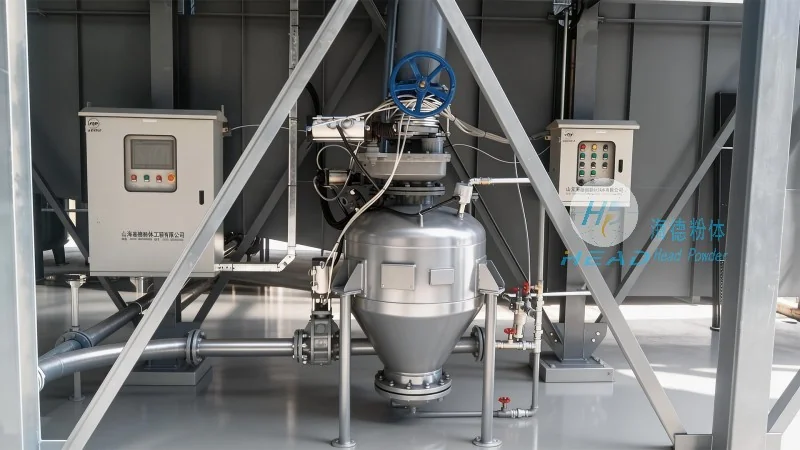
Understanding the Material Characteristics
The first step in designing a buckwheat hull pneumatic conveying system is to thoroughly understand the material's characteristics. Buckwheat hulls are lightweight, with a low bulk density and a tendency to be dusty. These properties affect the selection of the conveying method, the air velocity required, and the equipment used for material handling. For instance, the low bulk density means that higher air velocities are often needed to maintain a stable flow, while the dusty nature of the hulls necessitates proper filtration and dust control measures. The material's moisture content and particle size distribution are also critical, as they impact the system's efficiency and the risk of blockages. By analyzing these characteristics, engineers can select the appropriate conveying technology, such as pressure or vacuum systems, and determine the optimal air velocity and pressure levels.
System Type Selection: Pressure vs. Vacuum Conveying
Choosing between pressure and vacuum pneumatic conveying systems is a critical decision in the design process. Pressure systems use compressed air to push the material through the pipeline, while vacuum systems use a vacuum to pull the material. The choice depends on the conveying distance, the material's properties, and the system's layout. For short to medium distances, pressure systems are often more suitable due to their higher efficiency and lower energy consumption. However, for longer distances or when the material needs to be conveyed from multiple sources, vacuum systems may be more appropriate. The system type also affects the equipment selection, including the blower or compressor, the pipeline diameter, and the number of inlets and outlets. A well-designed system balances these factors to achieve optimal performance and minimize operational costs.
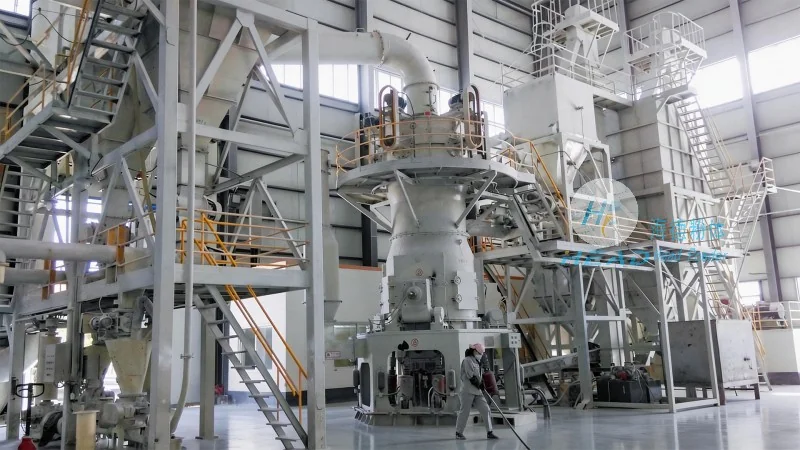
Pipeline Design and Layout Considerations
The pipeline design and layout play a crucial role in the system's efficiency and reliability. The pipeline diameter must be selected based on the material's flow rate and the air velocity required. A larger diameter reduces the air velocity, which can lower energy consumption but may increase the risk of blockages if the material is prone to agglomeration. Conversely, a smaller diameter increases air velocity, improving flow but raising energy costs. The pipeline layout should be as straight as possible to minimize pressure losses and the need for additional equipment like bends or valves. Vertical lifts require special consideration, as they can cause material separation and increased pressure drop. Using smooth, corrosion-resistant materials for the pipeline, such as stainless steel or PVC, is essential to prevent material buildup and ensure long-term system performance.
Equipment Selection: Blowers, Filters, and Controls
The selection of key equipment, including the blower, dust filter, and control system, is vital for the system's operation. The blower or compressor must be capable of delivering the required air volume and pressure at the specified flow rate. Centrifugal blowers are commonly used for pressure systems due to their high efficiency and ability to handle large volumes of air, while rotary lobe blowers are suitable for vacuum systems. The dust filter is critical for maintaining air quality and complying with environmental regulations. It should be designed to capture fine particles and prevent dust emissions, with features like automatic cleaning to minimize downtime. The control system should include sensors for monitoring pressure, flow, and temperature, as well as alarms and safety features to prevent overloading or system failures. Proper equipment selection ensures the system operates efficiently, safely, and within the required specifications.
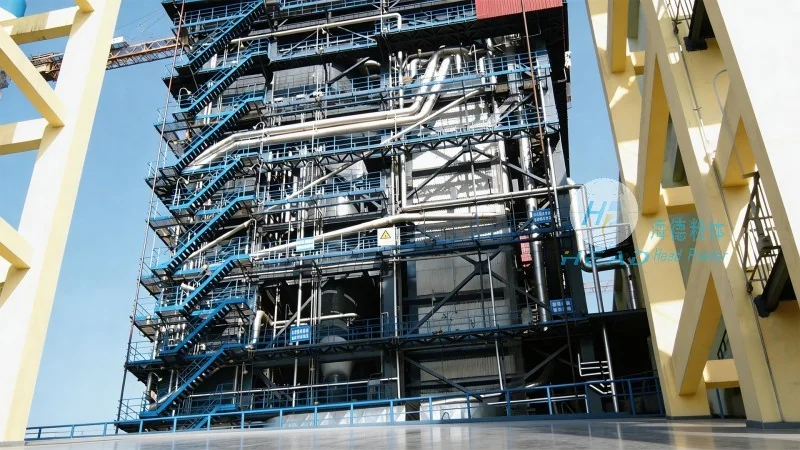
Material Handling and Storage Solutions
In addition to the conveying system, effective material handling and storage solutions are essential for a complete buckwheat hull processing operation. The system should integrate with the storage and feeding equipment to ensure a smooth flow of material from the source to the conveying line. For example, a hopper or silo with a discharge valve can be used to feed the material into the system, while a rotary valve or feeder controls the flow rate. The storage area should be designed to prevent moisture buildup and material degradation, which can affect the quality of the buckwheat hulls. Proper sealing and ventilation are necessary to maintain the material's quality and prevent pest infestations. The handling equipment should be durable and easy to clean to meet hygiene standards, especially if the hulls are used in food processing applications. A well-designed material handling and storage system complements the pneumatic conveying system, ensuring consistent and reliable operation.
Installation and Maintenance Considerations
The installation and maintenance of the pneumatic conveying system are crucial for its long-term performance and reliability. Proper installation involves ensuring that all components are correctly assembled, with appropriate connections and sealing to prevent air leaks. The pipeline should be supported and secured to prevent sagging or movement, which can cause vibration and wear on the system. Regular maintenance is essential to keep the system operating efficiently. This includes cleaning the pipeline and filters, checking the blower and compressor for wear, and inspecting the control system for proper functioning. Preventive maintenance schedules should be established to address potential issues before they cause system failures. By following proper installation and maintenance procedures, the system can achieve a long service life and minimize downtime, ensuring consistent performance over time.




