Concrete pneumatic conveying systems are critical components in modern construction and material handling operations, enabling efficient and reliable transport of concrete mixtures from production sites to construction locations. The design of such systems requires careful consideration of various technical and operational factors to ensure optimal performance, safety, and durability. This article provides an overview of the key aspects involved in the design of concrete pneumatic conveying systems, highlighting the expertise and capabilities of Shandong HeadPowder Engineering Co., Ltd., a leading provider in the field.
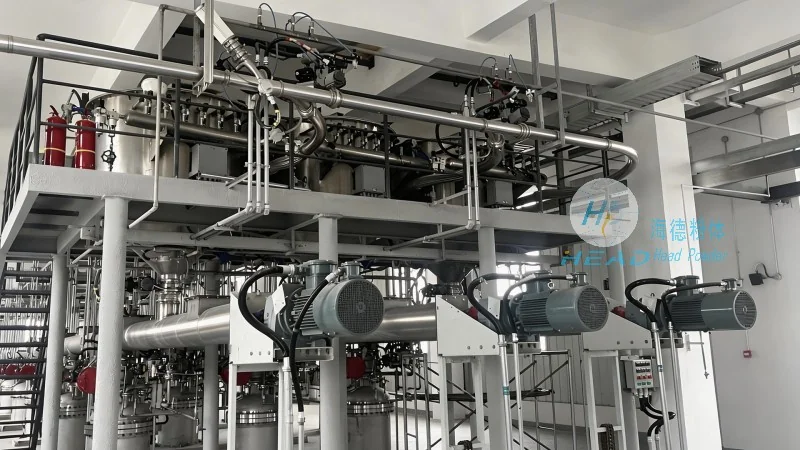
Understanding Concrete Pneumatic Conveying Systems
Concrete pneumatic conveying systems utilize air pressure to transport concrete materials through a network of pipes. Unlike traditional conveyor systems, which rely on mechanical components like belts or buckets, pneumatic systems offer advantages such as reduced maintenance, lower energy consumption, and the ability to handle abrasive materials without significant wear. The core components of a typical system include a concrete mixer, a conveying line, a receiver, and a control unit. The system operates by mixing concrete with a small amount of water or additives to create a slurry, which is then pressurized and propelled through the pipeline using compressed air.
Key Design Considerations for Concrete Pneumatic Conveying
The design of a concrete pneumatic conveying system involves several critical considerations to ensure efficient operation and longevity. First, the system's capacity must be matched to the production and construction demands. This includes determining the required flow rate, which is influenced by factors such as the type of concrete, the distance of transport, and the desired delivery time. Second, the selection of appropriate pipe materials is essential. High-quality, corrosion-resistant materials like stainless steel or specialized concrete-lined pipes are commonly used to withstand the abrasive nature of concrete and prevent blockages or system failures. Third, the system's pressure and air flow requirements must be accurately calculated. This involves analyzing the head loss along the pipeline, which is affected by pipe diameter, length, bends, and fittings. Proper sizing of the air compressor and control valves is crucial to maintain consistent pressure and prevent excessive energy consumption.
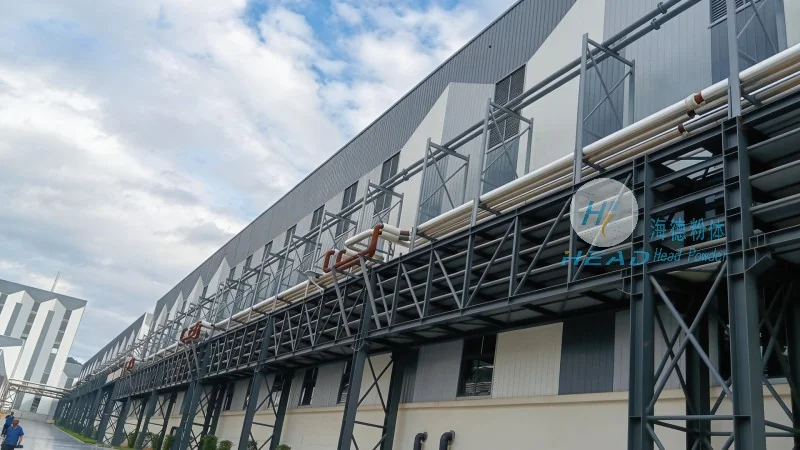
System Components and Their Functionality
Each component of a concrete pneumatic conveying system plays a vital role in its overall performance. The concrete mixer is responsible for preparing the slurry by combining cement, aggregates, and water in the correct proportions. The conveying line, typically made of flexible or rigid pipes, transports the slurry from the mixer to the construction site. The receiver, often a large storage tank, collects the delivered concrete and allows for easy access for pouring. The control unit monitors and regulates the system's operation, ensuring that pressure, flow, and other parameters remain within safe and efficient limits. Additionally, the system may include accessories such as filters, cyclones, and vacuum pumps to manage air quality and prevent material buildup.
Advantages of Concrete Pneumatic Conveying Systems
Concrete pneumatic conveying systems offer several advantages over traditional methods. One of the primary benefits is the ability to transport concrete over long distances without the need for additional equipment like trucks or cranes. This reduces transportation costs and minimizes the risk of material contamination or segregation. Another advantage is the system's flexibility, as it can be easily reconfigured to accommodate changes in construction plans or site conditions. Furthermore, pneumatic systems are more environmentally friendly, as they reduce the carbon footprint associated with transportation and minimize noise pollution. These benefits make concrete pneumatic conveying systems an attractive solution for large-scale construction projects and industrial applications.
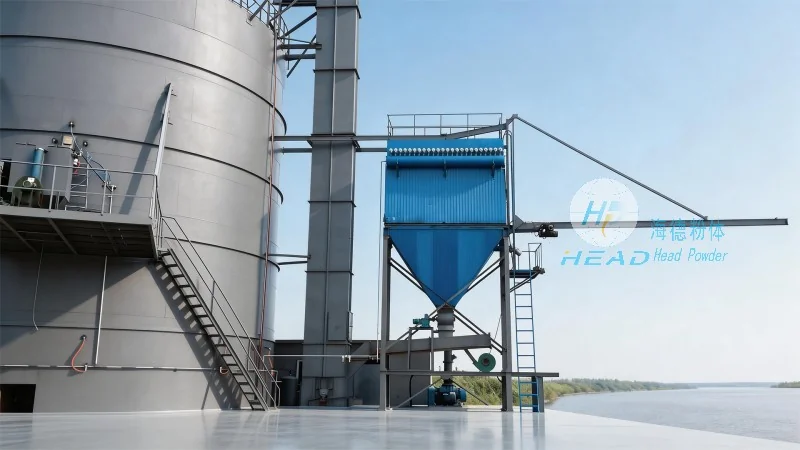
Customization and Scalability
Shandong HeadPowder Engineering Co., Ltd. specializes in designing and manufacturing customized concrete pneumatic conveying systems tailored to the specific needs of clients. The company's engineers work closely with clients to assess their operational requirements, site conditions, and budget constraints, ensuring that the final system meets all performance and safety standards. The systems can be scaled to accommodate various capacities, from small-scale projects to large industrial operations, and can be integrated with existing infrastructure or new construction sites. This flexibility allows clients to adapt the system as their needs evolve over time, providing long-term value and reliability.
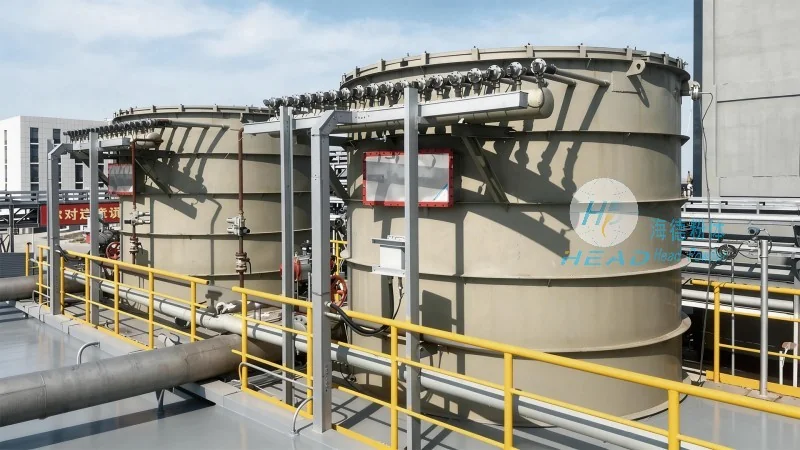
Quality Assurance and Maintenance
Ensuring the longevity and reliability of a concrete pneumatic conveying system requires regular maintenance and quality control measures. Shandong HeadPowder Engineering Co., Ltd. adheres to strict quality standards in the design, manufacturing, and installation of its systems. This includes using high-quality materials, conducting thorough testing and validation, and providing comprehensive training to clients on system operation and maintenance. Regular maintenance, such as cleaning filters, inspecting pipe integrity, and checking compressor performance, is essential to prevent system failures and ensure consistent performance. The company also offers after-sales support, including technical assistance and spare parts supply, to help clients maximize the lifespan of their equipment.
Conclusion
Concrete pneumatic conveying systems are a sophisticated and efficient solution for transporting concrete in construction and industrial applications. The design of such systems requires a deep understanding of material properties, fluid dynamics, and system engineering. Shandong HeadPowder Engineering Co., Ltd. leverages its expertise and experience to deliver high-quality, customized systems that meet the diverse needs of clients. By considering factors such as capacity, material handling, and operational efficiency, engineers can design systems that enhance productivity, reduce costs, and improve safety on construction sites. As the demand for efficient material handling solutions continues to grow, concrete pneumatic conveying systems remain a vital component in modern construction practices.




