Tea processing is a complex process that requires efficient handling of various tea materials throughout different stages. The tea material handling system equipment plays a crucial role in ensuring smooth operations and maintaining the quality of tea products. This article will explore the working principle and key features of such systems, providing insights into how they enhance productivity and efficiency in tea production facilities.
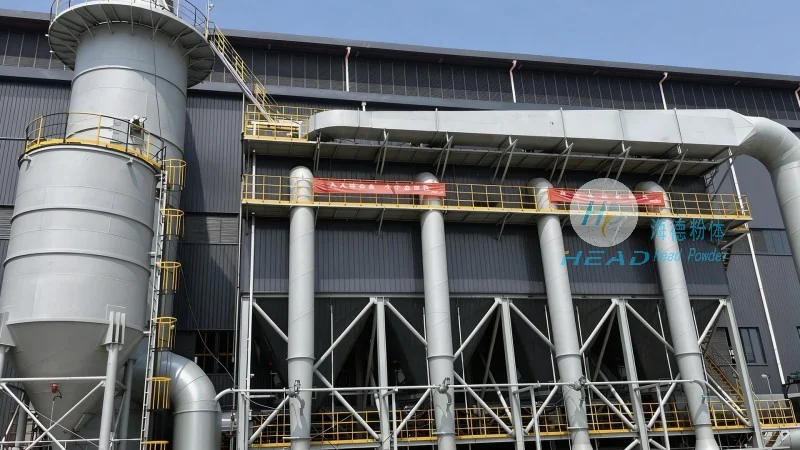
Overview of Tea Material Handling Systems
Tea material handling systems are specialized equipment designed to transport, store, and manage tea leaves, tea powders, and other related materials from the initial processing stages to the final packaging. These systems are integral to modern tea manufacturing, as they help streamline operations and reduce manual labor. The systems typically consist of various components such as conveyors, elevators, storage silos, and sorting mechanisms, all working in tandem to ensure seamless material flow.
Working Principle of Tea Material Handling Equipment
The working principle of tea material handling systems revolves around the use of mechanical and hydraulic components to move tea materials through different processing stages. The process generally begins with the reception of raw tea leaves, which are then fed into the system via hoppers or feeders. From there, the materials are transported using conveyor belts, belt elevators, or pneumatic systems, depending on the system design. The equipment is engineered to handle different types of tea, including green tea, black tea, oolong tea, and tea powders, ensuring that each material is processed according to its specific characteristics.
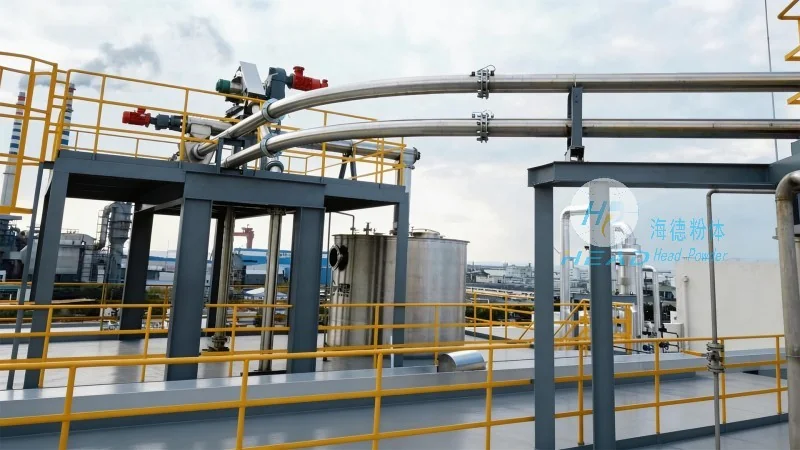
For instance, in the case of tea powder handling, the system may use enclosed conveyors to prevent dust contamination and maintain product purity. The conveyors are equipped with adjustable speed controls and material flow sensors to optimize the handling process. Additionally, the system may incorporate sorting mechanisms to separate different grades of tea based on size, shape, or quality, ensuring that only high-quality materials proceed to the next stage.
Key Features of Tea Material Handling Systems
Modern tea material handling systems are characterized by several key features that enhance their performance and reliability. One of the primary features is the integration of advanced control systems, which allow for real-time monitoring and adjustment of the material flow. These systems often include programmable logic controllers (PLCs) and human-machine interfaces (HMIs) that enable operators to adjust settings such as conveyor speed, material quantity, and sorting parameters.
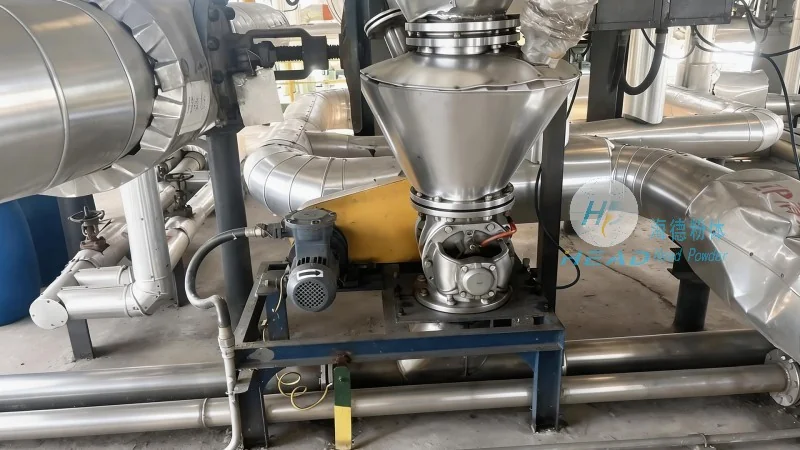
Another important feature is the use of durable and food-grade materials for the construction of the equipment. This ensures that the tea materials are not contaminated during handling and that the equipment can withstand the harsh conditions of tea processing, such as high humidity and temperature variations. The systems are also designed with easy maintenance in mind, featuring accessible components and modular designs that allow for quick repairs and replacements.
Energy efficiency is another critical feature of contemporary tea material handling systems. Many modern systems incorporate energy-saving technologies, such as variable frequency drives (VFDs) and energy recovery systems, to reduce power consumption. This not only lowers operational costs but also aligns with the growing demand for sustainable manufacturing practices in the tea industry.
Application and Benefits in Tea Production
The application of tea material handling systems extends across various stages of tea production, from raw material reception to final product packaging. In the initial stages, the systems help in the efficient transport of freshly harvested tea leaves from the field to the processing plant. This reduces the time between harvesting and processing, which is crucial for maintaining the freshness and quality of the tea.
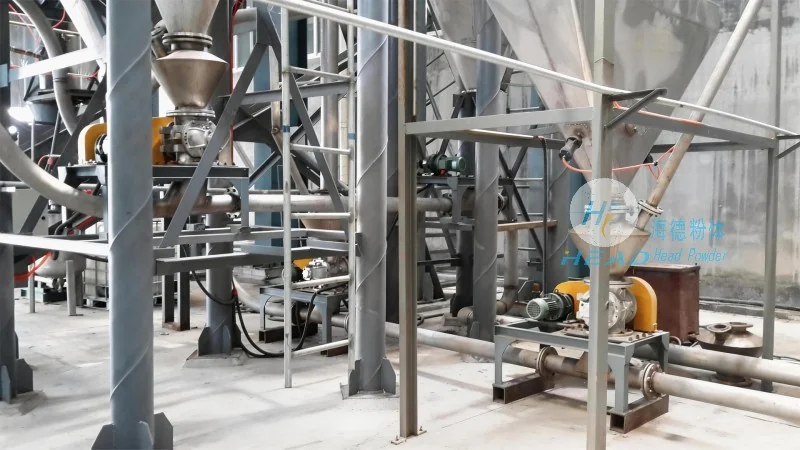
During the processing stages, such as withering, rolling, and drying, the systems ensure that tea materials are evenly distributed and handled without damage. This helps in achieving consistent product quality and reducing waste. In the final stages, the systems facilitate the packaging of tea products, ensuring that the materials are transferred to packaging machines without any contamination or loss.
The benefits of using tea material handling systems are significant. They improve operational efficiency by reducing manual labor and minimizing the risk of material damage. The systems also enhance product quality by maintaining consistent handling conditions and preventing contamination. Furthermore, they contribute to cost savings through reduced energy consumption and lower maintenance requirements.




