HeadPowder, a leading provider in the field of material handling solutions, specializes in the design, manufacturing, and implementation of advanced pneumatic conveying systems for various industrial applications. This article aims to provide a comprehensive overview of the working principles and classification applications of coke pneumatic conveying, highlighting the technical aspects and practical implementations that define this critical process in industrial operations.
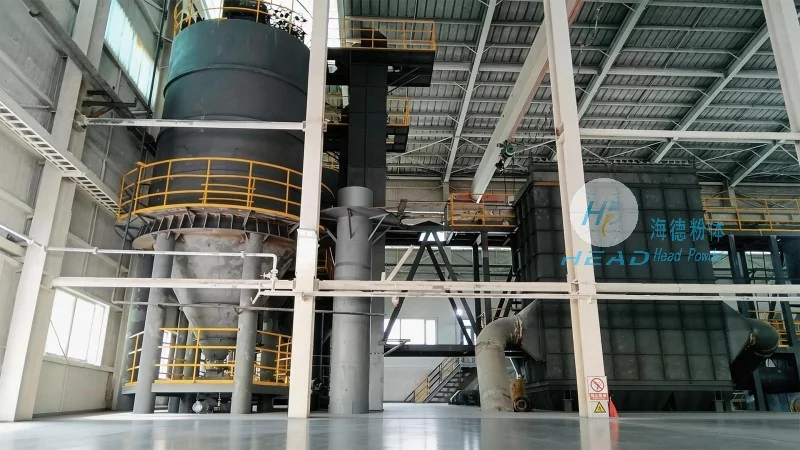
Introduction to Coke Pneumatic Conveying Systems
Coke, a vital product in the metallurgical industry, is often transported from production sites to processing facilities or storage areas. Traditional methods such as belt conveyors or trucks may be inefficient, especially when dealing with large volumes or long distances. Pneumatic conveying offers a more flexible and efficient alternative, utilizing air pressure to move coke particles through a pipeline system. This method not only reduces operational costs but also enhances safety by minimizing dust exposure and the risk of material spillage.
Working Principle of Pneumatic Conveying for Coke
The core mechanism of coke pneumatic conveying involves the use of a compressor to generate airflow within a sealed pipeline. The coke particles are introduced into the system, either by gravity or through a feeding device, and are carried along by the moving air. There are two primary types of pneumatic conveying systems based on the pressure of the air: dilute-phase and dense-phase. Dilute-phase systems operate at relatively low pressure, with particles suspended in the air stream, while dense-phase systems use higher pressure to push the particles in a more compacted form. The choice between these systems depends on factors such as the particle size, moisture content, and the distance to be covered.
Classification of Pneumatic Conveying Systems for Coke
Based on the operational pressure and particle transport characteristics, coke pneumatic conveying systems can be classified into several categories. The most common types include:
1. Dilute-Phase Pneumatic Conveying
This system operates at low to moderate air pressure, typically ranging from 0.5 to 2 bar. In dilute-phase conveying, coke particles are suspended in the air stream, moving at high velocities. The system is suitable for short to medium distances and for materials with low to moderate moisture content. The key advantage is its ability to handle large volumes of material with minimal pressure drop and lower energy consumption compared to dense-phase systems.
2. Dense-Phase Pneumatic Conveying
Dense-phase systems operate at higher air pressures, usually between 3 to 10 bar, and use a lower air-to-material ratio. In this method, coke particles are transported in a more compacted state, often in a slug or plug flow. This approach is ideal for long-distance transport, handling abrasive or sensitive materials, and minimizing particle degradation. The higher pressure ensures that the particles move with less risk of segregation or degradation, making it suitable for applications where material quality is critical.
3. Hybrid Pneumatic Conveying Systems
Hybrid systems combine elements of both dilute and dense-phase operations. They may use a combination of low and high-pressure zones within the same pipeline, allowing for flexible operation based on the specific requirements of the material and the distance. This approach provides a balance between efficiency and material handling capabilities, making it suitable for complex industrial setups where varying transport needs are present.
Key Components and Design Considerations
Effective coke pneumatic conveying systems rely on several critical components, each designed to optimize performance and ensure reliability. These components include:
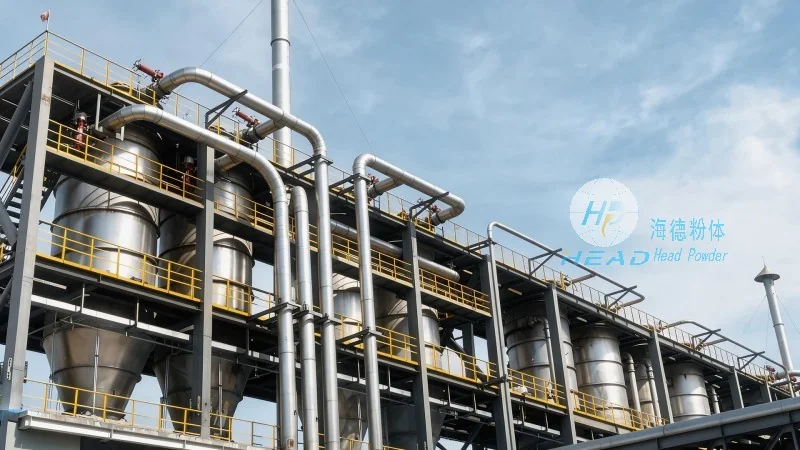
1. Compressor and Air Supply System
The compressor is the heart of the system, responsible for generating the necessary airflow and pressure. The choice of compressor type, such as rotary or reciprocating, depends on the system's requirements. The air supply system must also include filters and dryers to ensure that the air is clean and dry, preventing corrosion and material contamination.
2. Conveying Pipeline and Fittings
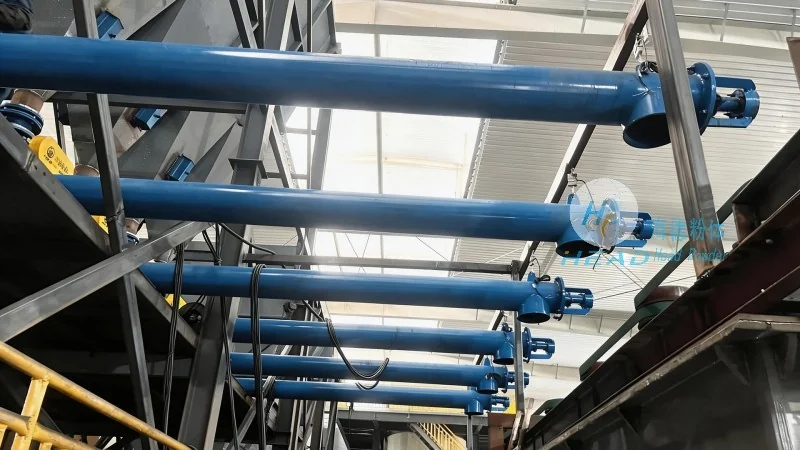
The pipeline is typically made of materials like stainless steel or plastic, chosen for their resistance to corrosion and wear from coke particles. The design of the pipeline, including bends, elbows, and valves, is crucial for maintaining consistent airflow and preventing blockages. Properly sized and positioned fittings ensure smooth material flow and minimize pressure losses.
3. Feeding and Discharge Equipment
The feeding equipment, such as hoppers or rotary valves, introduces coke into the system at a controlled rate. The discharge equipment, including cyclones or rotary airlocks, separates the coke from the air stream at the receiving end. These components are designed to handle the specific characteristics of coke, such as particle size and moisture content, to ensure efficient material transfer.
Application Examples in Industrial Settings
Coke pneumatic conveying is widely used in various industrial applications, particularly in the steel and metallurgical industries. Some common applications include:
1. Transport from Coke Ovens to Storage Silos
In steel plants, coke produced in coke ovens is transported to storage silos using pneumatic conveying systems. This process allows for efficient handling of large volumes of coke, reducing the need for manual handling and minimizing the risk of dust exposure. The system can be designed to handle long distances, ensuring that coke is delivered to the storage area without degradation.
2. Material Transfer Between Processing Units
Within metallurgical plants, coke may need to be transferred from one processing unit to another, such as from a storage silo to a furnace or a coke oven. Pneumatic conveying systems provide a flexible and reliable method for this transfer, allowing for continuous operation and minimizing downtime.
3. Bulk Material Handling in Construction and Mining
While less common, coke pneumatic conveying can also be applied in other industries, such as construction and mining, where bulk materials need to be transported over long distances. The system's ability to handle abrasive materials and maintain material quality makes it suitable for these applications.
Advantages and Challenges of Coke Pneumatic Conveying
Implementing coke pneumatic conveying systems offers several advantages, including improved efficiency, reduced labor costs, and enhanced safety. However, the process also presents challenges that must be addressed to ensure optimal performance. Some of the key advantages include:
Advantages
1. **High Efficiency and Capacity**: Pneumatic conveying systems can handle large volumes of coke at high speeds, reducing the time required for material transport.
2. **Reduced Labor and Maintenance Costs**: Automated systems minimize the need for manual labor and reduce the frequency of maintenance compared to traditional methods.
3. **Improved Safety**: The sealed pipeline system reduces dust exposure and the risk of material spillage, creating a safer working environment.
4. **Flexibility and Scalability**: The system can be easily scaled to accommodate changes in production volume or distance requirements.
Challenges include the need for proper system design to prevent blockages, the requirement for regular maintenance to ensure compressor efficiency, and the potential for material degradation if the system is not properly designed for the specific coke characteristics.
Conclusion
HeadPowder Engineering Co., Ltd., based in Shandong, China, specializes in the design and implementation of coke pneumatic conveying systems that meet the diverse needs of industrial clients. By understanding the working principles and classification applications of these systems, industries can optimize their material handling processes, enhance operational efficiency, and ensure safety. The advancements in pneumatic conveying technology continue to improve the performance and reliability of these systems, making them an essential component in modern industrial operations.




