

Principles and Classification Applications of Red Mud Pneumatic Conveying
Red mud, a byproduct of bauxite processing in the aluminum industry, poses significant challenges in handling and disposal. Pneumatic conveying offers an efficient and environmentally friendly solution for transporting red mud, and understanding its principles and applications is crucial for optimizing industrial processes. This article provides an overview of the working principles and classification of red mud pneumatic conveying systems, highlighting the expertise of Shandong HeadPowder Engineering Co., Ltd., a leading provider in this field.
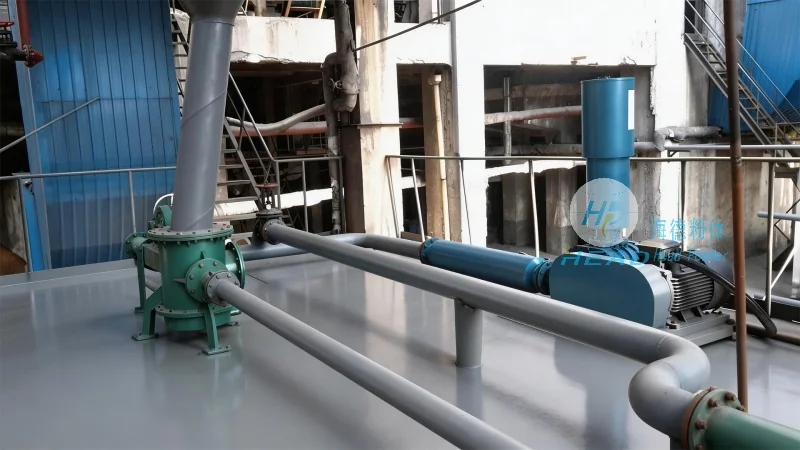
Company Introduction: Shandong HeadPowder Engineering Co., Ltd.
HeadPowder, a subsidiary of Shandong HeadPowder Engineering Co., Ltd., is headquartered in Shandong, China. With a strong commitment to innovation and sustainability, the company specializes in the design, manufacturing, and implementation of advanced pneumatic conveying systems tailored for various industrial applications. Their expertise in handling challenging materials like red mud has positioned them as a trusted partner in the industry.
Working Principles of Red Mud Pneumatic Conveying
Pneumatic conveying systems utilize air or gas to transport solid materials through a pipeline. For red mud, which is typically a fine, abrasive powder, the system operates by creating a flow of air that carries the material particles. The core components of a pneumatic conveying system include a material feeder, a conveying line, a separation unit, and a dust collector. The process begins with the red mud being fed into the system, where it is mixed with air under controlled pressure. This mixture travels through the pipeline, and at the receiving end, the air is separated from the solid particles, allowing the red mud to be deposited in the desired location. The working principle can be categorized into two main types: positive pressure and negative pressure systems.
Classification of Red Mud Pneumatic Conveying Systems
Red mud pneumatic conveying systems are classified based on the pressure differential between the conveying line and the ambient environment. The two primary categories are:
1. Positive Pressure Pneumatic Conveying
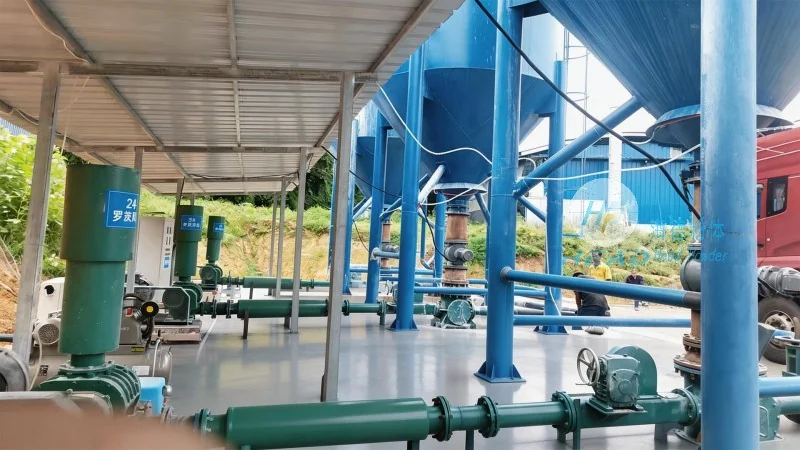
Positive pressure systems operate by maintaining a higher pressure inside the conveying line compared to the external environment. This is achieved by using a positive displacement blower or a rotary lobe compressor to generate the necessary air pressure. The air is introduced at the material feed point, and the high-pressure air pushes the red mud particles through the pipeline. Positive pressure systems are suitable for long-distance and high-capacity applications, as they can handle larger volumes of material with minimal pressure drop. They are commonly used in industrial settings where the material needs to be transported over significant distances, such as from a processing plant to a storage facility or a disposal site.
2. Negative Pressure Pneumatic Conveying
Negative pressure systems, also known as vacuum or suction systems, operate by creating a lower pressure inside the conveying line compared to the external environment. A vacuum pump or a rotary vane pump is used to generate the negative pressure, which draws the red mud particles into the pipeline. The air and solid mixture is then transported to the receiving end, where the air is separated and the red mud is deposited. Negative pressure systems are ideal for applications where the material needs to be collected from multiple points or where the material is sensitive to high pressure. They are commonly used in applications such as material recovery, where the red mud is being transported from a collection point to a processing unit.
Applications of Red Mud Pneumatic Conveying
The versatility of pneumatic conveying systems makes them suitable for a wide range of applications in the handling of red mud. Some of the key applications include:
1. Material Transport in Aluminum Production
In the aluminum industry, red mud is generated during the Bayer process, where bauxite is processed to extract aluminum oxide. Pneumatic conveying systems are used to transport red mud from the digestion tanks to storage silos or disposal sites. This process ensures that the red mud is handled efficiently and safely, minimizing the risk of dust emissions and environmental contamination.
2. Waste Management and Disposal
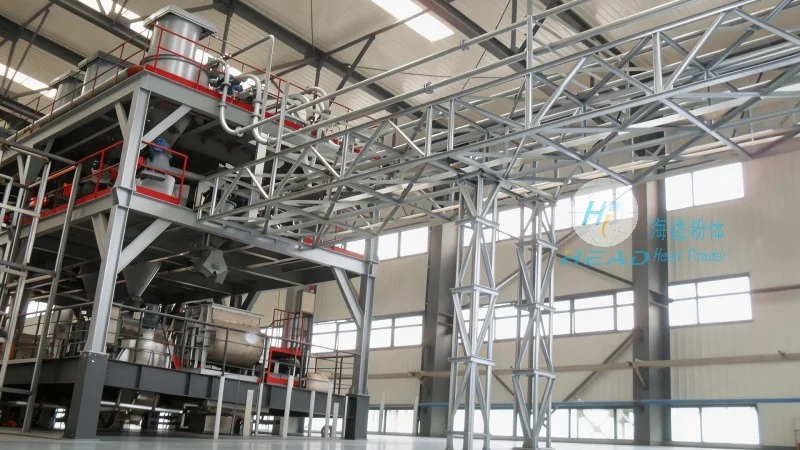
Red mud is a hazardous waste material due to its high alkalinity and heavy metal content. Pneumatic conveying systems are used to transport red mud to disposal sites, such as landfills or reclamation projects. The systems are designed to handle the abrasive and corrosive nature of red mud, ensuring that the material is transported without causing damage to the equipment or the environment.
3. Recycling and Reuse
With increasing emphasis on sustainability, many industries are exploring ways to recycle and reuse red mud. Pneumatic conveying systems are used to transport red mud to recycling facilities, where it can be processed into building materials or other products. This not only reduces the environmental impact of red mud disposal but also provides a valuable resource for industrial applications.
Advantages of Red Mud Pneumatic Conveying
Pneumatic conveying systems offer several advantages over traditional methods of handling red mud, such as belt conveyors or truck transport. These advantages include:
1. Environmental Benefits
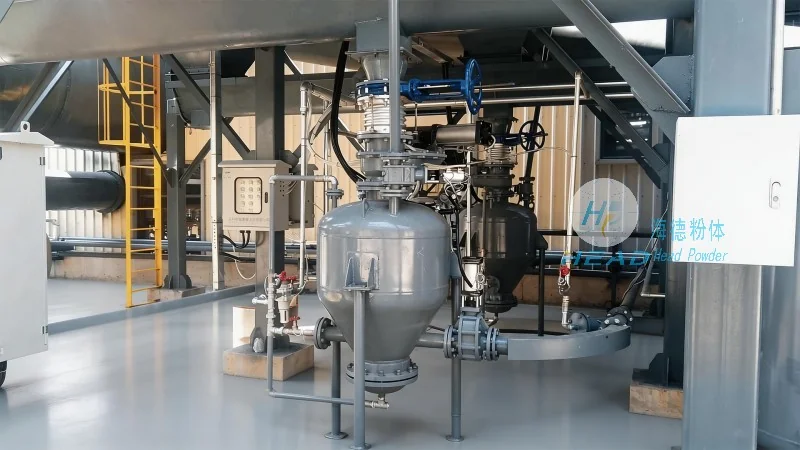
Pneumatic conveying systems are enclosed, which prevents dust emissions and reduces the risk of environmental contamination. This is particularly important for red mud, which is a hazardous waste material. The enclosed system also minimizes the risk of dust exposure to workers, improving workplace safety.
2. Efficiency and Flexibility
Pneumatic conveying systems can transport red mud over long distances with minimal pressure drop, making them highly efficient. The systems are also flexible, as they can be easily adjusted to handle different volumes and types of material. This flexibility allows industries to adapt to changing production needs and optimize their material handling processes.
3. Cost-Effectiveness
While the initial investment in a pneumatic conveying system may be higher than traditional methods, the long-term cost savings are significant. The enclosed system reduces maintenance costs and the risk of equipment damage, while the efficiency of the system reduces energy consumption. Additionally, the ability to recycle and reuse red mud through pneumatic conveying systems can provide additional cost savings for industries.
Conclusion
Pneumatic conveying is a critical technology for the efficient and sustainable handling of red mud. Understanding the working principles and classification of these systems is essential for industries to optimize their material handling processes and minimize their environmental impact. Shandong HeadPowder Engineering Co., Ltd. offers comprehensive solutions for red mud pneumatic conveying, combining advanced technology with expert engineering to meet the diverse needs of industrial clients. By leveraging the expertise of HeadPowder, industries can enhance their operational efficiency, improve workplace safety, and contribute to a more sustainable future.