

Choosing Between Positive Pressure and Negative Pressure for Calcium Oxide Powder Handling: How to D
When it comes to transporting calcium oxide powder, selecting the right method is crucial for efficiency, safety, and cost-effectiveness. Two primary approaches are widely used in the industry: positive pressure and negative pressure systems. Understanding the differences between these two methods is essential for making an informed decision that aligns with operational needs. This article will explore the key aspects of positive pressure versus negative pressure for calcium oxide powder handling, helping you distinguish between the two and choose the most suitable option for your application.
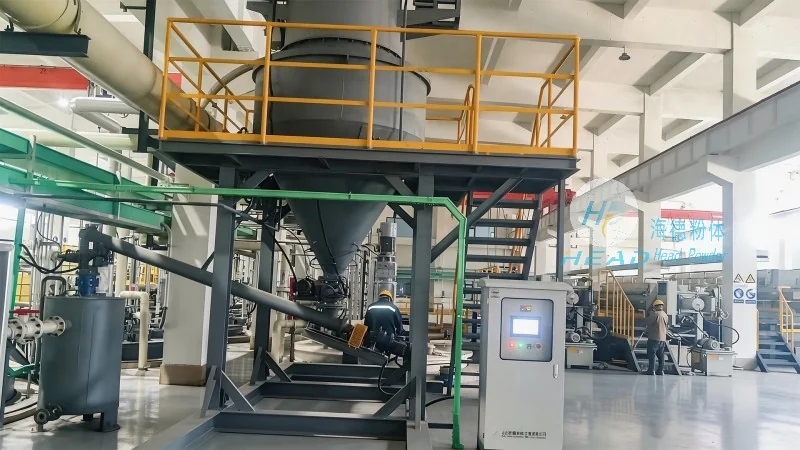
Understanding the Basics of Positive Pressure and Negative Pressure Systems
Positive pressure systems operate by forcing air or gas through the system, creating a pressure higher than the surrounding environment. This approach ensures that the material is continuously pushed through the pipeline, preventing backflow and maintaining a consistent flow rate. In contrast, negative pressure systems create a vacuum or lower pressure in the system, drawing the material into the pipeline as it is pulled through. Each method has its own set of advantages and considerations, which are critical to evaluate based on the specific characteristics of calcium oxide powder and the operational requirements of your facility.
Key Characteristics of Calcium Oxide Powder and Their Impact on Handling
Calcium oxide, commonly known as quicklime, is a fine, dry powder with unique properties that influence its handling. It is highly reactive, hygroscopic (absorbing moisture from the air), and can generate heat when it reacts with water. These characteristics make it challenging to handle, as it can cause caking, clumping, or even spontaneous combustion under certain conditions. The choice between positive and negative pressure systems must account for these properties to ensure safe and efficient transport. For instance, positive pressure systems may be more effective in preventing moisture ingress and maintaining the powder's dryness, while negative pressure systems might be better suited for applications where dust control is a priority.
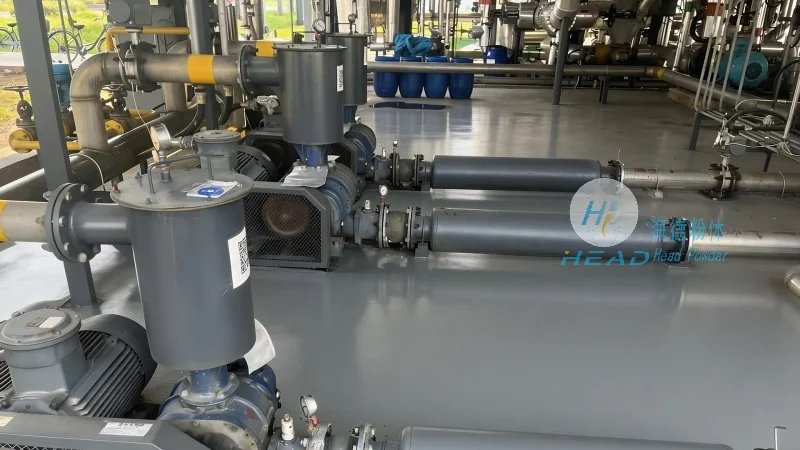
Advantages and Disadvantages of Positive Pressure Systems for Calcium Oxide Powder
Positive pressure systems offer several benefits when handling calcium oxide powder. One of the main advantages is the ability to maintain a consistent flow rate, as the system actively pushes the material through the pipeline. This reduces the risk of blockages and ensures that the powder reaches its destination without interruption. Additionally, positive pressure helps in preventing the ingress of external contaminants, such as moisture or air pollutants, which can degrade the quality of the calcium oxide powder. However, these systems may require more energy to operate, as they need to overcome the pressure difference and maintain the flow. Furthermore, they can generate more dust emissions if not properly sealed, posing a health and safety risk in the workplace.
Advantages and Disadvantages of Negative Pressure Systems for Calcium Oxide Powder
Negative pressure systems have their own set of advantages that make them suitable for certain calcium oxide powder handling applications. The primary benefit is the reduced risk of dust exposure, as the system draws the material into the pipeline, minimizing the release of fine particles into the air. This makes negative pressure systems more suitable for environments where dust control is critical, such as in indoor facilities or where workers are present. Another advantage is the lower energy consumption compared to positive pressure systems, as they rely on the natural suction of the system rather than active pushing. However, negative pressure systems are more susceptible to blockages and backflow, as the system relies on the pressure difference to maintain flow. This can lead to inconsistent flow rates and potential system failures if not properly maintained. Additionally, they may not be as effective in preventing moisture ingress, as the lower pressure can allow external moisture to enter the system.
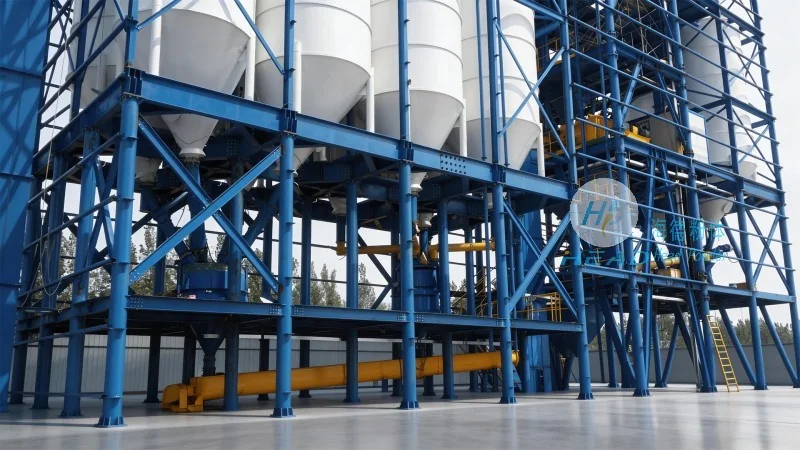
Factors to Consider When Choosing Between Positive and Negative Pressure Systems
When deciding between positive and negative pressure systems for calcium oxide powder handling, several factors should be considered. First, the scale of the operation is a critical factor. Large-scale industrial applications may benefit from positive pressure systems due to their ability to handle high volumes of material efficiently. Smaller or more localized applications might find negative pressure systems more suitable due to their lower energy requirements and easier installation. Second, the environmental and safety regulations in the region must be evaluated. Some areas may have stricter dust control requirements, making negative pressure systems a better choice. Third, the specific properties of the calcium oxide powder, such as its moisture content and reactivity, should be taken into account. For example, if the powder is highly hygroscopic, a positive pressure system with proper sealing may be necessary to prevent moisture absorption. Fourth, the cost of operation and maintenance should be considered. Positive pressure systems may have higher energy costs but lower maintenance costs, while negative pressure systems may have lower energy costs but higher maintenance costs due to the need for regular cleaning and maintenance of the suction components.
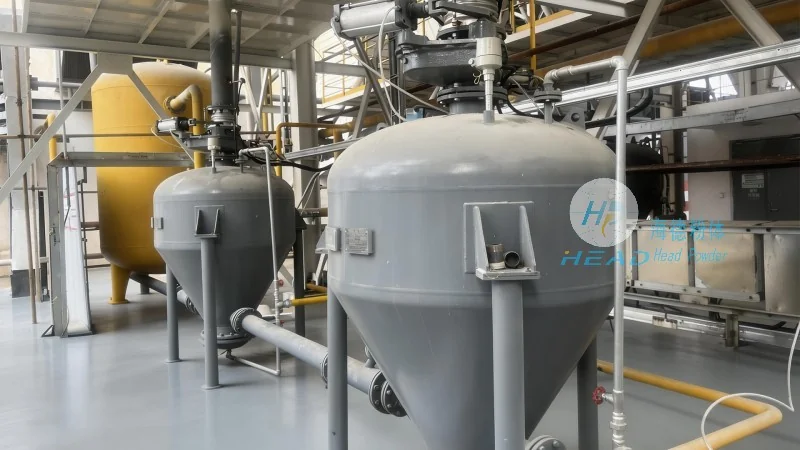
Practical Recommendations for Selecting the Right System
Based on the characteristics of calcium oxide powder and the operational needs of your facility, here are some practical recommendations for selecting the right system. For applications where dust control is a top priority and the powder is relatively dry, a negative pressure system may be the better choice. This system can effectively minimize dust emissions and maintain a clean working environment. However, it is essential to ensure that the system is properly sealed and maintained to prevent blockages and backflow. For applications where the powder is highly hygroscopic or reactive, a positive pressure system with proper sealing and moisture control measures is recommended. This system can maintain the powder's dryness and prevent moisture ingress, ensuring that the material remains in optimal condition throughout the transport process. Additionally, it is important to consider the long-term operational costs, including energy consumption and maintenance requirements, to ensure that the chosen system is cost-effective over its lifespan.
Conclusion
Choosing between positive pressure and negative pressure for calcium oxide powder handling is a critical decision that impacts the efficiency, safety, and cost-effectiveness of your operations. By understanding the basic principles of each system, the characteristics of calcium oxide powder, and the key factors to consider, you can make an informed choice that aligns with your specific needs. Whether you opt for a positive pressure system or a negative pressure system, it is essential to ensure that the system is properly designed, installed, and maintained to achieve optimal performance. With the right approach, you can ensure the safe and efficient transport of calcium oxide powder, contributing to the success of your industrial processes. Shandong HeadPowder Engineering Co., Ltd., a leading provider of powder handling solutions, offers expertise and tailored systems to meet the unique requirements of calcium oxide powder handling. Based in Shandong, China, the company specializes in designing and implementing efficient and reliable powder transport systems that enhance operational performance and safety.