When dealing with high-temperature fine powders, selecting the appropriate conveying method is crucial for ensuring operational efficiency, safety, and system longevity. Two primary approaches are widely used in industrial applications: positive pressure conveying and negative pressure conveying. Understanding the differences between these two systems is essential for making an informed decision that aligns with specific process requirements and operational constraints.
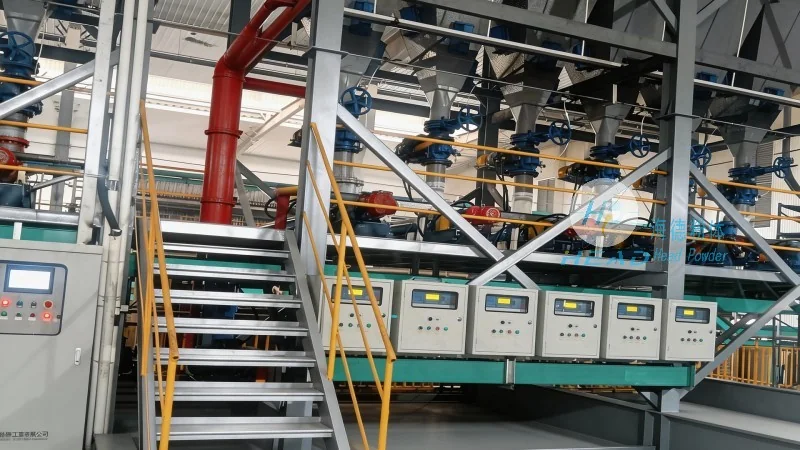
Positive Pressure Conveying Systems
Positive pressure conveying, also known as pressure-fed systems, operates by forcing material through a pipeline using a positive pressure source. This method is particularly effective for high-temperature applications as it can handle materials with temperatures up to several hundred degrees Celsius. The system typically includes a blower or compressor that generates the necessary pressure to move the powder, and it often features a closed-loop design to minimize dust emissions and environmental impact. For high-temperature fine powders, positive pressure systems are often preferred when the material is abrasive or when the conveying distance is long, as they can maintain consistent flow rates and pressure levels. The equipment used in positive pressure systems, such as headpowder's advanced blowers and ductwork, is designed to withstand high temperatures and corrosive conditions, ensuring reliable performance over extended periods.
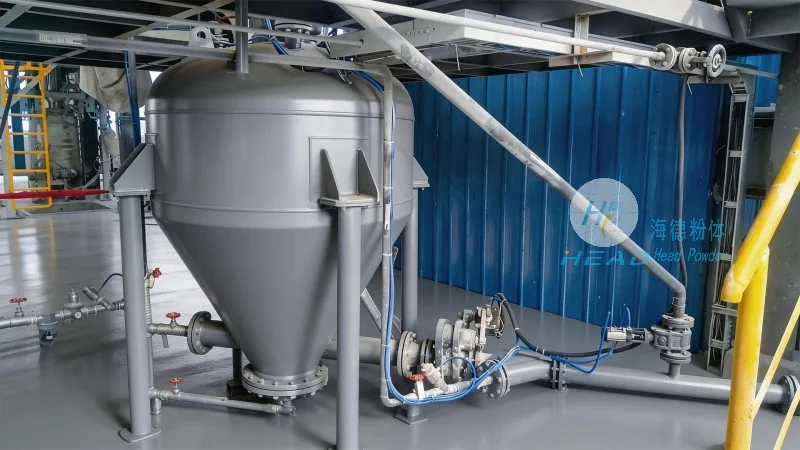
Negative Pressure Conveying Systems
Negative pressure conveying, or vacuum systems, works by creating a vacuum in the pipeline to draw material from the source. This approach is commonly used for applications where the material is light or where the conveying distance is relatively short. Negative pressure systems are generally more suitable for lower temperature applications or for materials that are less abrasive. However, they may be less effective for high-temperature fine powders due to the risk of heat loss and the potential for material degradation under vacuum conditions. The design of negative pressure systems includes a vacuum pump and a filter to capture dust particles, and they often require more maintenance to prevent clogging and ensure consistent airflow. For high-temperature applications, negative pressure systems may not be as efficient as positive pressure systems, as the vacuum can cause the material to cool down during transport, potentially affecting its properties.
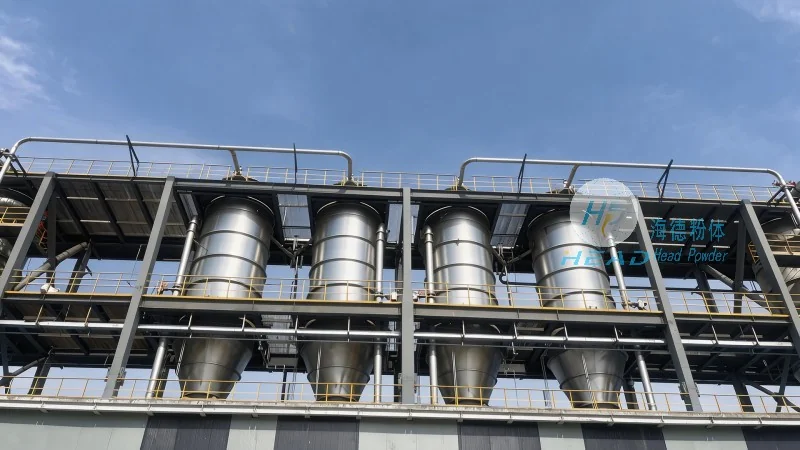
Distinguishing Between Positive and Negative Pressure Conveying
Several key factors should be considered when distinguishing between positive and negative pressure conveying for high-temperature fine powders. First, the temperature of the material is a critical factor. Positive pressure systems are better suited for materials with temperatures above 200°C, as they can maintain the material's temperature during transport. In contrast, negative pressure systems may not be able to handle such high temperatures without significant heat loss. Second, the material's properties, such as its abrasiveness and moisture content, play a role in the choice of system. Positive pressure systems are ideal for abrasive materials that require high pressure to move, while negative pressure systems may be more appropriate for non-abrasive materials that can be drawn through the pipeline under vacuum. Third, the conveying distance and system layout are important considerations. Positive pressure systems are generally more effective for longer distances, as they can maintain pressure and flow rates over extended lengths of ductwork. Negative pressure systems are often used for shorter distances or in applications where the material source is close to the destination. Finally, environmental and safety regulations should be taken into account. Positive pressure systems are typically more environmentally friendly, as they minimize dust emissions and require less ventilation, while negative pressure systems may need additional filtration and ventilation to prevent dust from escaping into the environment.
Factors to Consider When Choosing a Conveying System
When selecting between positive and negative pressure conveying for high-temperature fine powders, several factors must be evaluated to ensure the best fit for the application. The first factor is the material's temperature and its sensitivity to heat. If the material is sensitive to temperature changes or needs to be transported at a specific temperature, positive pressure systems are preferable, as they can maintain the material's temperature during transport. The second factor is the material's flow characteristics, including its density, moisture content, and particle size. Materials with high moisture content or fine particle sizes may require positive pressure systems to prevent clogging and ensure consistent flow. The third factor is the system's operational requirements, such as the required flow rate and pressure. Positive pressure systems can handle higher flow rates and pressures, making them suitable for high-demand applications. The fourth factor is the available space and layout of the facility. Positive pressure systems are often more compact and can be integrated into existing layouts, while negative pressure systems may require more space for the vacuum pump and ductwork. Finally, the cost of the system and its maintenance should be considered. Positive pressure systems may have higher initial costs due to the need for high-pressure equipment, but they may have lower long-term maintenance costs due to their durability and reliability.
Conclusion
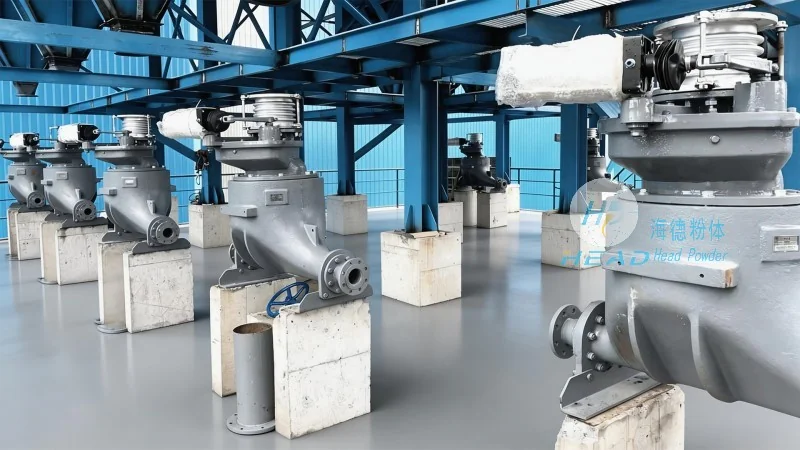
Choosing between positive and negative pressure conveying for high-temperature fine powders requires a careful evaluation of the material's properties, operational requirements, and environmental constraints. Positive pressure systems are generally more suitable for high-temperature, abrasive materials and longer conveying distances, while negative pressure systems are better suited for lower temperature applications or shorter distances. By understanding the differences between these two systems and considering the specific needs of the application, industrial facilities can select the most effective conveying method to ensure efficient and safe operation. Shandong HeadPowder Engineering Co., Ltd. specializes in providing advanced conveying solutions tailored to the unique needs of high-temperature fine powder applications, ensuring that clients receive the most suitable system for their operations.




