When it comes to transporting soy protein powder, selecting the right conveying method is crucial for efficiency, cost-effectiveness, and product integrity. Two primary options are positive pressure conveying and negative pressure conveying. Understanding the differences between these systems and how to choose the appropriate one for your application is essential for optimizing your material handling operations.
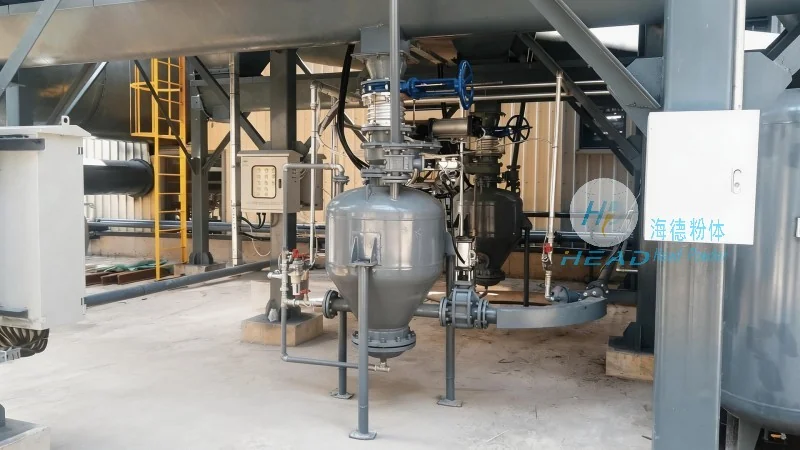
Understanding Positive Pressure Conveying for Soy Protein Powder
Positive pressure conveying systems operate by blowing air or a carrier gas into the material to move it through the pipeline. This method is often preferred for handling fine powders like soy protein because it can effectively transport materials over long distances and through complex system layouts. The positive pressure ensures that the material is continuously pushed forward, reducing the risk of clogging and ensuring consistent flow rates. For soy protein powder, which is typically fine and can be prone to dusting or bridging, positive pressure systems can provide better control and reliability. These systems are also suitable for applications where the material needs to be conveyed from a central storage to multiple processing points, as the positive pressure can distribute the powder evenly to various destinations.
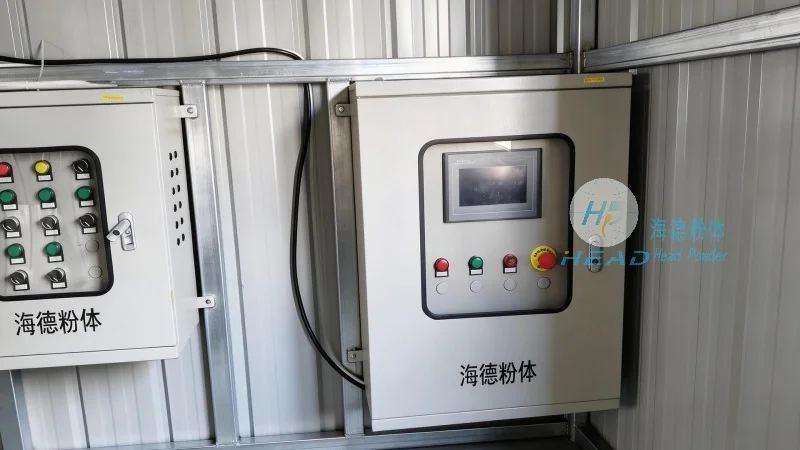
Understanding Negative Pressure Conveying for Soy Protein Powder
Negative pressure conveying, also known as vacuum conveying, works by creating a vacuum in the pipeline to draw the material into the system. This method is often used for shorter conveying distances and for materials that are less abrasive or where the system layout is simpler. Negative pressure systems are generally more energy-efficient for short distances and can be less expensive to install compared to positive pressure systems. However, they may not be as effective for very fine powders or for conveying over long distances, as the vacuum can cause the material to become airborne and potentially lead to dust issues if not properly controlled. For soy protein powder, negative pressure conveying may be suitable for applications where the powder is being transferred from a hopper to a mixer or for short-distance transfers within a processing plant.
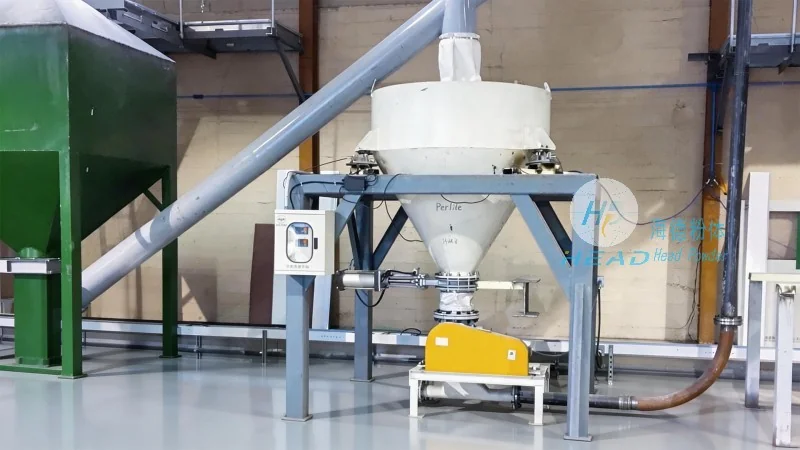
Distinguishing Between Positive and Negative Pressure Conveying Systems
Several key factors can help distinguish between positive and negative pressure conveying systems when handling soy protein powder. First, consider the conveying distance and system layout. Positive pressure systems are better suited for longer distances and complex layouts due to their ability to push material through the pipeline. Negative pressure systems are more appropriate for shorter distances and simpler layouts where the material can be drawn into the system. Second, evaluate the material properties. Soy protein powder is fine and can be dusty, making positive pressure systems more effective at controlling dust and preventing clogging. Negative pressure systems may require additional dust control measures to prevent airborne particles. Third, assess the energy consumption and cost. Positive pressure systems typically consume more energy due to the need to generate and maintain pressure, while negative pressure systems are more energy-efficient for short distances. Finally, consider the system maintenance and reliability. Positive pressure systems may require more regular maintenance to ensure the air or carrier gas is clean and free of contaminants, which can affect the quality of the soy protein powder. Negative pressure systems may have fewer moving parts but can be more prone to vacuum leaks, which can impact the conveying efficiency.
Choosing the Right Conveying System for Soy Protein Powder: Factors to Consider
When deciding between positive pressure and negative pressure conveying for soy protein powder, several factors should be taken into account. The first factor is the specific application requirements. For example, if the soy protein powder needs to be transported from a central silo to multiple processing units over a long distance, a positive pressure system would be more suitable. Conversely, if the powder is being transferred from a hopper to a mixer within a short distance, a negative pressure system may be more appropriate. The second factor is the material characteristics. Soy protein powder is hygroscopic and can clump or bridge, so a system that provides consistent flow and prevents clogging is essential. Positive pressure systems can better handle these issues due to their continuous pushing action. The third factor is the cost and energy efficiency. For large-scale operations, the long-term energy costs of a positive pressure system may be higher, but the reliability and efficiency gains may justify the investment. For smaller operations or shorter distances, a negative pressure system may offer a more cost-effective solution. The fourth factor is the system layout and available space. Positive pressure systems require more space for the air or carrier gas generation and distribution, while negative pressure systems can be more compact. Finally, consider the environmental and safety requirements. Both systems need to be designed to minimize dust emissions and ensure the safety of the operators. Positive pressure systems may require additional filtration to prevent dust from escaping, while negative pressure systems may need to be enclosed to prevent dust from entering the environment.
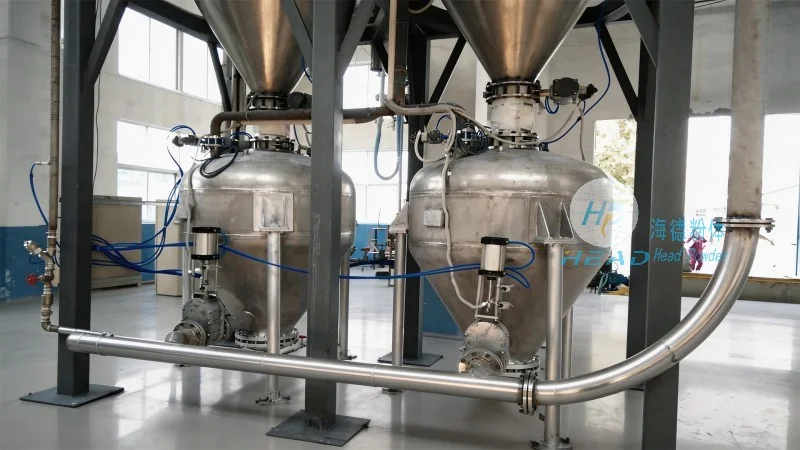
Shandong HeadPowder Engineering Co., Ltd.: Experts in Soy Protein Powder Conveying Solutions
Shandong HeadPowder Engineering Co., Ltd., a leading manufacturer of material handling equipment, specializes in providing customized conveying solutions for soy protein powder and other fine powders. With years of experience in the industry, HeadPowder understands the unique challenges of handling soy protein powder, including its fine particle size, hygroscopic nature, and potential for dusting. The company offers a range of positive and negative pressure conveying systems tailored to meet the specific needs of each customer. Their positive pressure systems are designed with high-efficiency blowers and advanced filtration to ensure consistent flow and minimal dust emissions. Their negative pressure systems are equipped with powerful vacuum pumps and dust collection systems to handle short-distance transfers efficiently. HeadPowder's team of engineers works closely with customers to assess their conveying requirements, recommend the most suitable system, and provide installation and maintenance support. The company's commitment to quality and customer satisfaction has made it a trusted partner for many soy protein powder manufacturers and processors. By choosing HeadPowder's conveying solutions, customers can improve their material handling efficiency, reduce costs, and ensure the quality of their soy protein powder products.




