When it comes to transporting chlorinated polyethylene (CPE), selecting the right method is crucial for ensuring efficiency, safety, and cost-effectiveness. Two primary approaches are commonly considered: positive pressure transport and negative pressure transport. Each method has distinct characteristics, advantages, and applications, making it essential to understand the differences and choose the appropriate one based on specific operational requirements. This article explores the key factors influencing the selection between positive and negative pressure systems for CPE transport, providing insights into how to make an informed decision.
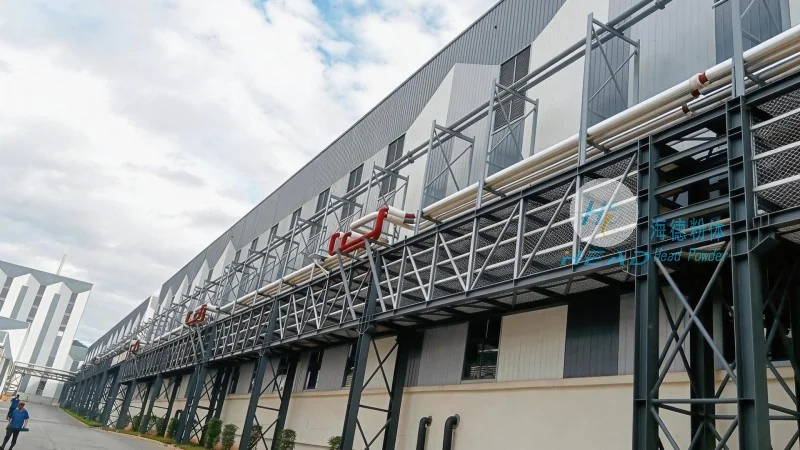
Understanding Positive Pressure Transport
Positive pressure transport involves using a compressor or blower to generate pressure within the system, forcing the CPE material through the pipeline. This method is often used for materials that are difficult to move by gravity alone, such as bulk powders or granules with high density or low flowability. The primary advantage of positive pressure is its ability to maintain consistent flow rates and prevent material buildup in the pipeline. However, it requires more energy input and may increase the risk of dust generation or pressure-related hazards if not properly managed. Positive pressure systems are typically suitable for short to medium-distance transport and applications where the material needs to be delivered to a specific location under pressure.
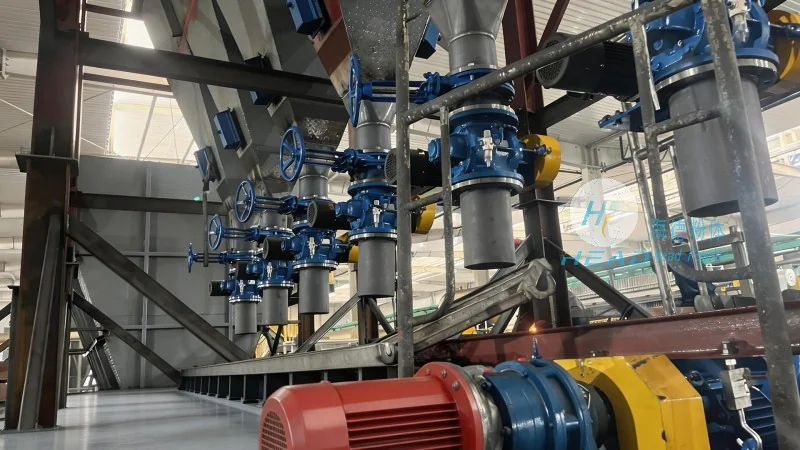
Advantages and Considerations of Positive Pressure Transport
Positive pressure transport offers several benefits, including the ability to handle materials with poor flow characteristics, ensuring reliable and continuous material movement. It is particularly effective for transporting CPE in industrial settings where the material is sourced from a hopper or silo and needs to be delivered to processing equipment. The system can be designed with multiple branches, allowing for distribution to several points simultaneously. However, the energy consumption associated with positive pressure systems can be higher compared to negative pressure, and the maintenance of compressors and related equipment is essential to prevent breakdowns and ensure operational efficiency. Additionally, proper sealing and filtration are required to minimize dust emissions and protect the environment and personnel.
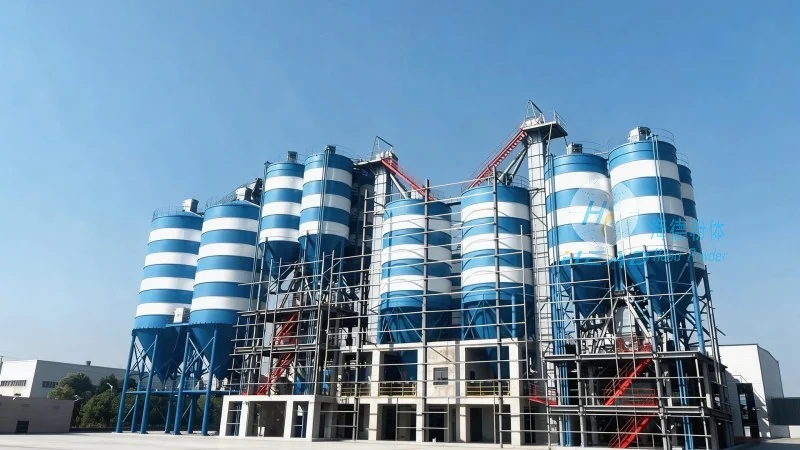
Exploring Negative Pressure Transport
Negative pressure transport, also known as suction or vacuum transport, uses a vacuum pump to create a low-pressure environment that draws the CPE material into the pipeline. This method is commonly employed for materials that are light, dusty, or have a tendency to float, as the vacuum helps to maintain the material in the system and prevent it from escaping. Negative pressure systems are generally more energy-efficient than positive pressure systems, as they rely on the natural movement of the material under the influence of the vacuum. However, they may be less effective for materials with high density or poor flowability, as the vacuum may not provide sufficient force to move the material through the pipeline. Negative pressure transport is often used for short-distance applications, such as moving CPE from a storage bin to a processing unit, and is particularly suitable for materials that are sensitive to pressure or require gentle handling.
Key Factors to Consider When Choosing Between Positive and Negative Pressure
The decision between positive and negative pressure transport for CPE depends on several critical factors, including the physical properties of the material, the distance and layout of the transport system, the required flow rate, and the available energy resources. Material properties such as density, flowability, and dustiness are primary considerations. For example, if the CPE is a dense granule with good flow characteristics, positive pressure may be more effective. Conversely, if the material is light and dusty, negative pressure might be preferable to avoid dust dispersion. The distance between the source and destination also plays a role; longer distances may require positive pressure to maintain sufficient flow, while shorter distances can often be managed with negative pressure. Additionally, the available space for equipment installation and the budget for energy consumption and system maintenance should be evaluated. A thorough analysis of these factors will help determine the most suitable transport method for a specific CPE application.
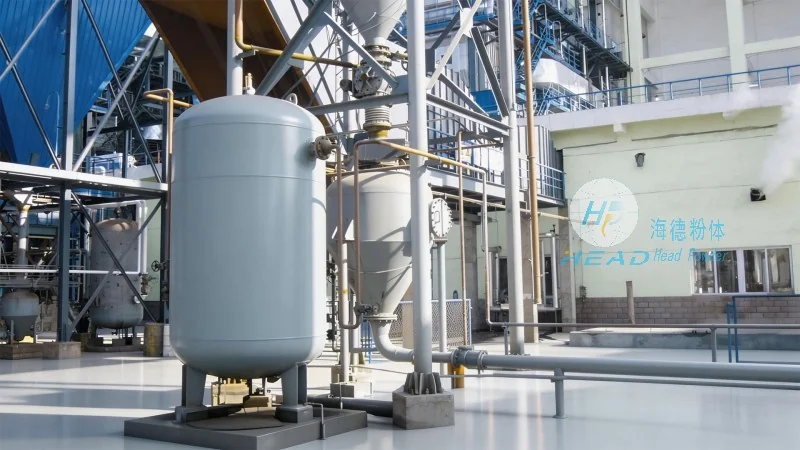
Role of HeadPowder Engineering in CPE Transport Solutions
Shandong HeadPowder Engineering Co., Ltd., commonly known as HeadPowder, is a leading provider of engineering solutions for bulk material handling, including CPE transport systems. With years of experience in the industry, HeadPowder specializes in designing and implementing customized transport solutions that meet the unique needs of clients. The company’s expertise lies in understanding the complexities of material behavior and system dynamics, enabling them to recommend the most efficient and cost-effective transport method for CPE. HeadPowder’s team of engineers works closely with clients to assess their operational requirements, evaluate material properties, and consider factors such as distance, flow rate, and energy availability. By leveraging advanced engineering principles and practical experience, HeadPowder helps clients select between positive and negative pressure systems, ensuring optimal performance and minimal operational risks. The company’s commitment to quality and customer satisfaction has made it a trusted partner for businesses in the chemical and plastics industries, providing reliable transport solutions that enhance productivity and safety.




