Metallurgical coal powder pneumatic conveying systems are critical components in industrial processes, particularly in metallurgical plants where efficient and reliable material transport is essential for operational efficiency and safety. The choice between positive pressure and negative pressure conveying modes significantly impacts system performance, cost, and maintenance requirements. This article provides a technical analysis of these two primary modes, highlighting their characteristics, advantages, and practical applications.
Understanding Pneumatic Conveying Systems in Metallurgy
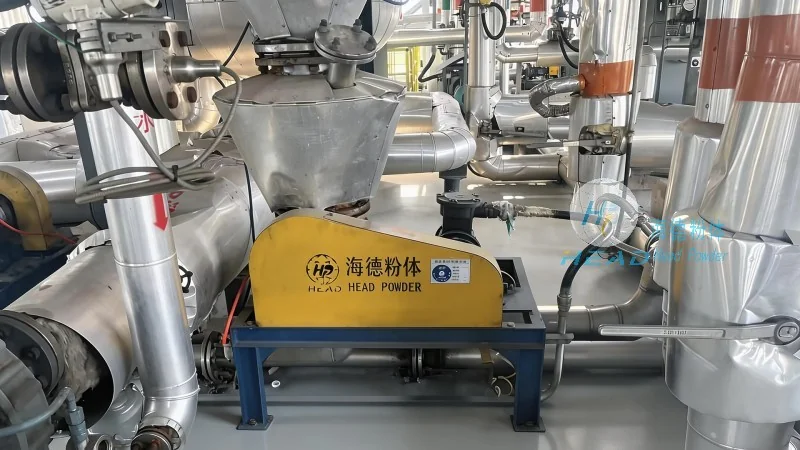
Pneumatic conveying systems use air or gas to transport solid materials like coal powder through a pipeline. In metallurgical applications, these systems are vital for moving raw materials to processing units, transporting intermediate products, or handling waste materials. The two main categories of pneumatic conveying are positive pressure and negative pressure systems, each with distinct operational principles and design considerations.
Positive Pressure Conveying Mode: Principles and Applications
Positive pressure conveying systems operate by blowing air or gas into the pipeline, creating a pressure higher than the ambient air pressure. The material is suspended and carried forward by the moving air stream. This mode is commonly used for long-distance or high-capacity transport, as it can handle larger particle sizes and higher flow rates. The system typically includes a blower or compressor at the inlet, which supplies the necessary pressure to move the material.
Key advantages of positive pressure systems include their ability to handle abrasive or corrosive materials, as the material is not in direct contact with the pipeline walls for extended periods. Additionally, they are suitable for applications requiring high pressure or where the material needs to be delivered to multiple destinations. However, these systems may require more robust equipment and higher energy consumption compared to negative pressure systems.
Negative Pressure Conveying Mode: Principles and Applications
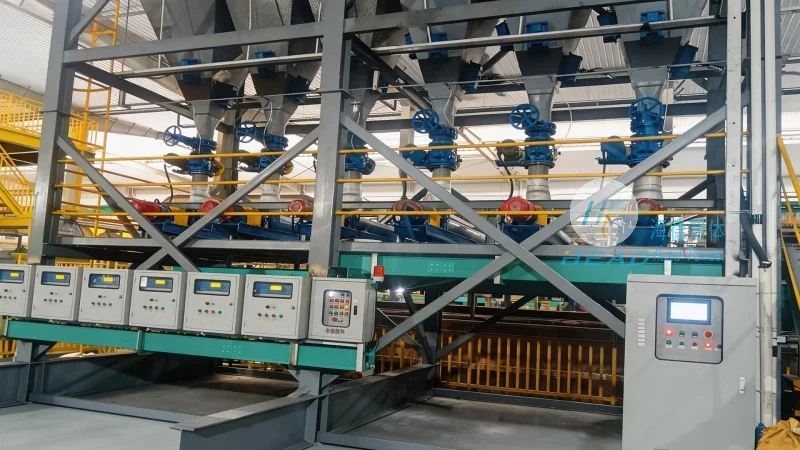
Negative pressure conveying systems, also known as suction or vacuum systems, operate by creating a vacuum in the pipeline, drawing material into the system. The material is drawn into the pipeline by the suction force, and the air carrying the material is then filtered and discharged. This mode is often used for short-distance transport or when the material needs to be collected from multiple sources.
Advantages of negative pressure systems include lower initial costs and reduced energy consumption, as they do not require high-pressure blowers. They are also suitable for handling fine powders or materials that are sensitive to high pressure. However, these systems may have limitations in handling large particle sizes or abrasive materials, as the vacuum can cause material degradation or blockages if not properly managed.
Comparison of Positive Pressure vs. Negative Pressure Conveying
When selecting between positive and negative pressure conveying modes for metallurgical coal powder, several factors must be considered. The primary differences lie in system design, operational efficiency, and cost. Positive pressure systems are generally more suitable for high-capacity, long-distance transport, while negative pressure systems are better for low-capacity, short-distance applications or when the material is collected from multiple points.
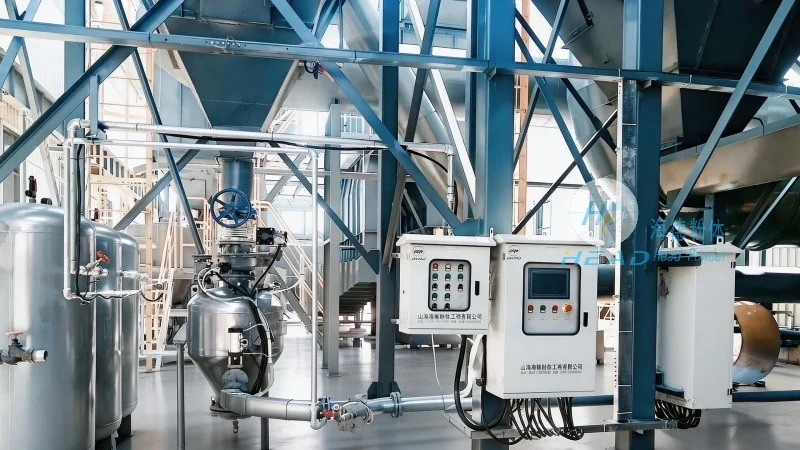
From an operational perspective, positive pressure systems offer better control over material flow and can handle more challenging conditions, such as high temperatures or corrosive environments. Negative pressure systems, on the other hand, are simpler to install and maintain, making them ideal for applications with limited space or budget constraints. The choice also depends on the specific characteristics of the coal powder, including particle size, moisture content, and abrasiveness.
Key Considerations for System Design and Implementation
Designing an effective pneumatic conveying system requires careful consideration of several factors, including the material's properties, system layout, and operational requirements. For metallurgical coal powder, the system must be capable of handling fine particles and preventing clogging or blockages. This often involves selecting appropriate pipeline materials, such as stainless steel or special alloys, to resist corrosion and wear.
Another critical consideration is the air filtration system, which is essential for negative pressure systems to remove dust and prevent contamination. The filtration system must be designed to handle the specific characteristics of the coal powder, ensuring that the exhaust air meets environmental regulations. For positive pressure systems, the blower or compressor must be sized appropriately to provide sufficient pressure and airflow to maintain system efficiency.
Case Study: Application in Metallurgical Plants
Shandong HeadPowder Engineering Co., Ltd. has extensive experience in designing and implementing pneumatic conveying systems for metallurgical applications. One notable project involved the installation of a positive pressure system in a steel plant to transport coal powder from storage silos to the blast furnace. The system was designed to handle high-capacity transport over a distance of 500 meters, with a flow rate of 20 tons per hour. The positive pressure mode was chosen due to the long distance and high material volume, ensuring reliable and efficient material transport.
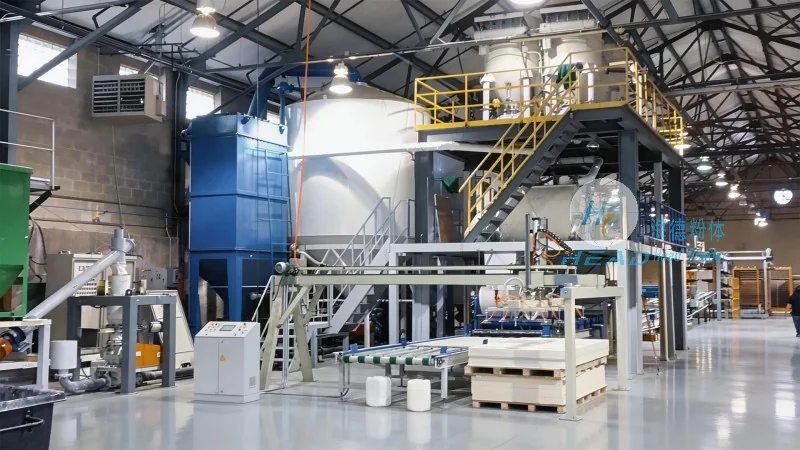
In another project, a negative pressure system was installed in a coal processing facility to collect fine coal dust from multiple collection points. The system was designed to handle low-capacity transport over short distances, with a flow rate of 5 tons per hour. The negative pressure mode was selected to minimize energy consumption and simplify installation, as the plant had limited space and budget constraints.
Conclusion: Choosing the Right Conveying Mode
Both positive pressure and negative pressure conveying modes have their unique advantages and applications in metallurgical coal powder handling. The selection of the appropriate mode depends on factors such as transport distance, material properties, system capacity, and operational costs. Positive pressure systems are generally more suitable for high-capacity, long-distance transport, while negative pressure systems are better for low-capacity, short-distance applications or when the material is collected from multiple sources.
When designing a pneumatic conveying system, it is essential to consider the specific requirements of the metallurgical process and the characteristics of the coal powder. By carefully evaluating these factors, industrial facilities can select the most efficient and cost-effective conveying mode, ensuring reliable material transport and improved operational performance.




