HeadPowder, a leading engineering firm based in Shandong, China, specializes in the design and implementation of advanced pneumatic conveying systems for handling carbon black and coal powder. These systems are critical in industrial applications where efficient material transport is essential for maintaining production efficiency and safety.
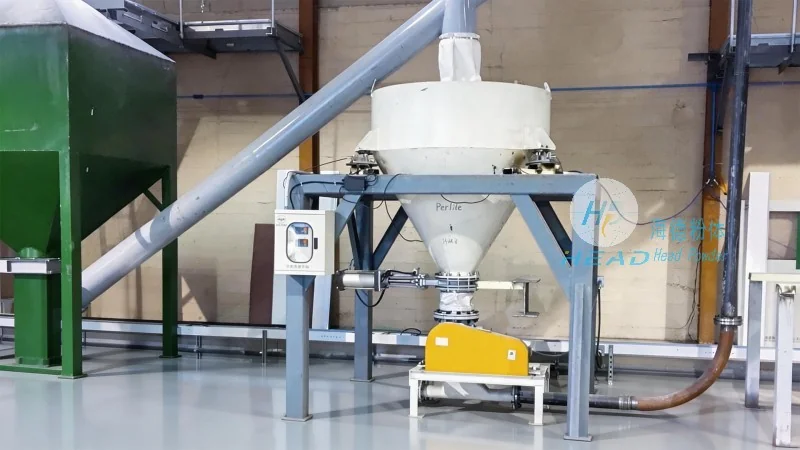
Introduction to Pneumatic Conveying Systems for Carbon Black and Coal Powder
Pneumatic conveying systems utilize air or gas to transport bulk materials like carbon black and coal powder through pipelines. This method offers several advantages over traditional mechanical conveying, including reduced equipment wear, lower maintenance costs, and the ability to handle materials that are difficult to transport via conventional means. For industries dealing with these powders, selecting the appropriate conveying mode—positive pressure or negative pressure—is a key decision that impacts system performance, cost, and operational safety.
Positive Pressure Pneumatic Conveying: Principles and Applications
Positive pressure conveying systems operate by blowing air or gas into the material to be transported, creating a positive pressure within the pipeline. This mode is particularly effective for transporting carbon black and coal powder over long distances or through complex network configurations. The system typically includes a blower or compressor that generates the necessary pressure to move the material. A key advantage of positive pressure systems is their ability to handle abrasive materials like carbon black without excessive wear on the equipment. Additionally, they can transport materials from multiple sources to a single destination, making them suitable for large-scale industrial operations.
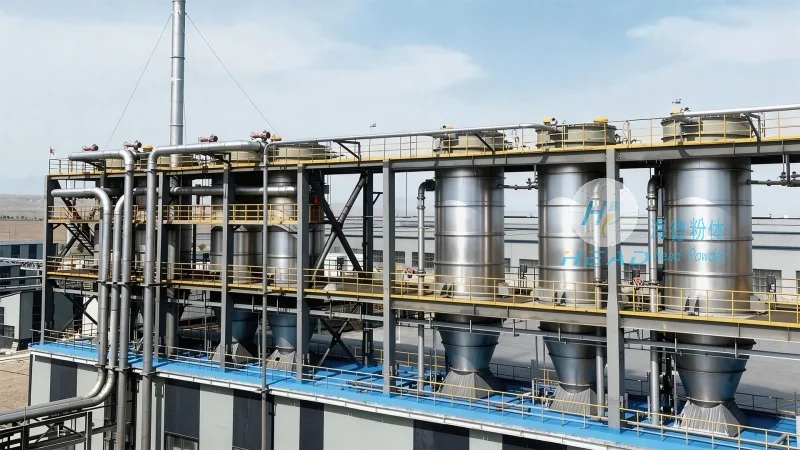
However, positive pressure systems require careful consideration of air quality and filtration. Since the material is transported in a pressurized environment, there is a risk of dust leakage if the system is not properly sealed. This can lead to environmental concerns and potential health hazards for workers. The initial investment for positive pressure systems is also higher due to the need for robust blower units and more complex piping.
Negative Pressure Pneumatic Conveying: Principles and Applications
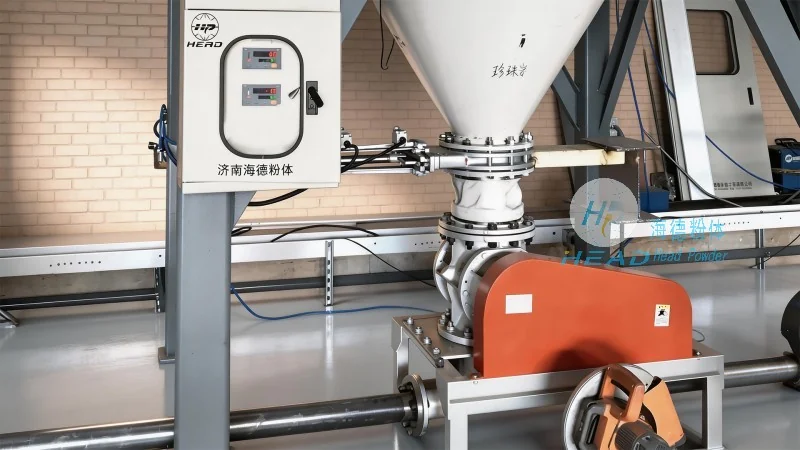
Negative pressure conveying, also known as suction or vacuum conveying, operates by creating a vacuum in the pipeline to draw material from the source. This mode is ideal for short to medium distance transport and is often used in applications where the material source is elevated or the destination is lower. The system typically uses a vacuum pump to create the suction force, which pulls the material through the pipeline.
One of the primary benefits of negative pressure systems is their lower initial cost compared to positive pressure systems. They are also more suitable for handling materials that are sensitive to pressure, as the vacuum environment minimizes material degradation. Negative pressure systems are commonly used in applications where the material is to be collected from a hopper or silo and transported to a processing unit. However, they have limitations in terms of distance and material capacity. The suction force decreases with increasing distance, and the system may not be effective for transporting large quantities of material over long distances.
Key Factors in Choosing Between Positive and Negative Pressure Systems
When selecting a pneumatic conveying system for carbon black and coal powder, several factors must be considered to ensure optimal performance and cost-effectiveness. The first factor is the distance and layout of the transport route. Positive pressure systems are generally preferred for long-distance or complex network applications, while negative pressure systems are better suited for shorter distances. The second factor is the material characteristics, including particle size, density, and abrasiveness. Abrasive materials like carbon black are better handled by positive pressure systems due to their ability to withstand higher pressures. The third factor is the environmental and safety requirements. Positive pressure systems may require additional filtration and sealing to prevent dust leakage, while negative pressure systems may need to be equipped with dust collection systems to avoid air contamination.
Conclusion: Tailoring the Right Conveying System for Your Needs
HeadPowder provides comprehensive solutions for both positive and negative pressure pneumatic conveying systems, tailored to the specific needs of carbon black and coal powder applications. By understanding the principles and applications of each mode, industrial operators can make informed decisions that optimize their material transport processes. Whether choosing a positive pressure system for long-distance transport or a negative pressure system for short-distance handling, the goal is to achieve efficient, safe, and cost-effective material movement. With the expertise of HeadPowder, industries can select the most suitable pneumatic conveying system to enhance their operational efficiency and maintain compliance with environmental and safety standards.




