HeadPowder, a leading engineering firm based in Shandong, China, specializes in the design and implementation of advanced pneumatic conveying systems for various industrial applications. This article provides a technical analysis of polypropylene pellet handling systems, focusing on the comparative evaluation of positive pressure and negative pressure conveying modes. The company's expertise in material handling technology ensures that clients receive customized solutions tailored to their specific operational needs.
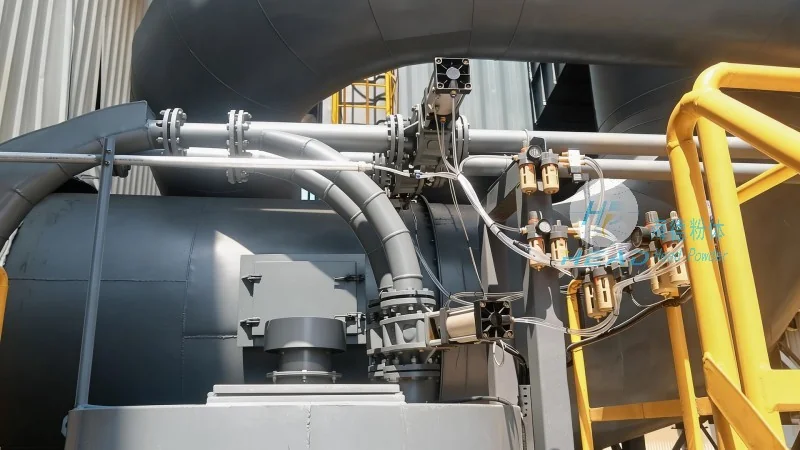
Polypropylene Pellet Pneumatic Conveying Systems: An Overview
Polypropylene (PP) pellets are widely used in the plastics manufacturing industry due to their versatility and cost-effectiveness. Efficient and reliable transportation of these pellets from storage to processing units is crucial for maintaining production efficiency and minimizing material loss. Pneumatic conveying systems offer a non-contact, closed-loop method for transporting bulk materials like PP pellets, which helps in controlling dust, preventing contamination, and ensuring a safe working environment.
Positive Pressure Conveying Mode: Principles and Applications
Positive pressure conveying systems operate by generating a higher pressure in the conveying line than the ambient air pressure. This is typically achieved using a positive displacement blower or a centrifugal fan that forces air through the pipeline, carrying the polypropylene pellets along with it. The system's design includes a feed hopper, a rotary valve for material discharge, and a conveying line that may include bends, filters, and a receiver for the material. Positive pressure systems are well-suited for applications requiring long-distance or high-capacity transport, as they can maintain consistent airflow and material velocity.
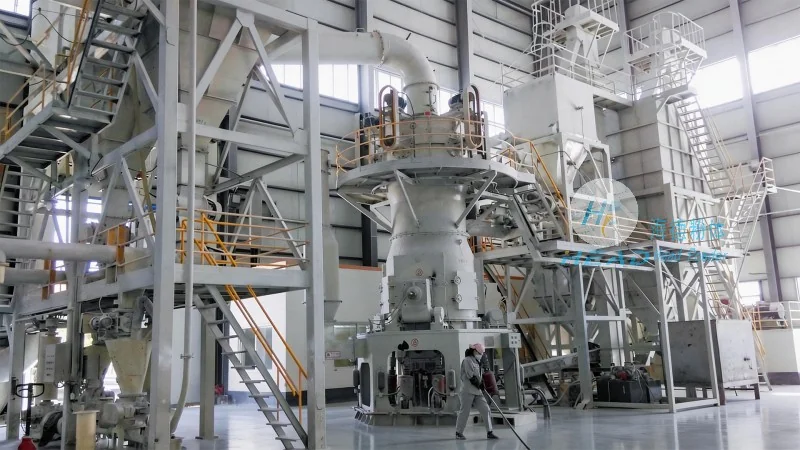
Negative Pressure Conveying Mode: Principles and Applications
Negative pressure conveying systems, also known as vacuum systems, operate by creating a lower pressure in the conveying line compared to the ambient air. A vacuum pump draws air and material from the source, transporting them to the destination. This mode is particularly effective for short-distance or low-capacity applications where the material is light and dusty. The system typically includes a suction hopper, a rotary valve, a vacuum pump, and a filter to remove particles from the air before release. Negative pressure systems are advantageous for applications where dust control is critical and where the material is sensitive to high pressure.
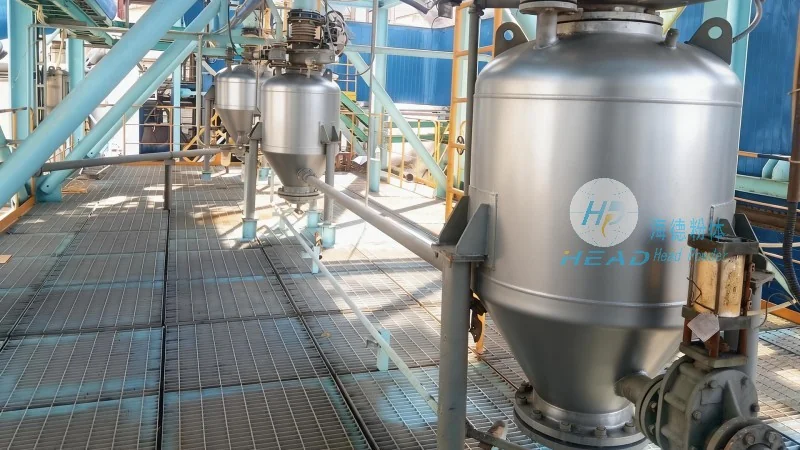
Key Differences Between Positive and Negative Pressure Modes
When selecting a pneumatic conveying system for polypropylene pellets, understanding the differences between positive and negative pressure modes is essential. Positive pressure systems are generally more suitable for high-capacity, long-distance transport due to their ability to maintain consistent pressure and airflow. They are also easier to maintain and repair, as the components are exposed to higher pressures and temperatures. On the other hand, negative pressure systems are better suited for short-distance, low-capacity applications, especially where dust control is a priority. They are also more energy-efficient for short runs, as the vacuum pump operates at lower power levels compared to a high-pressure blower.
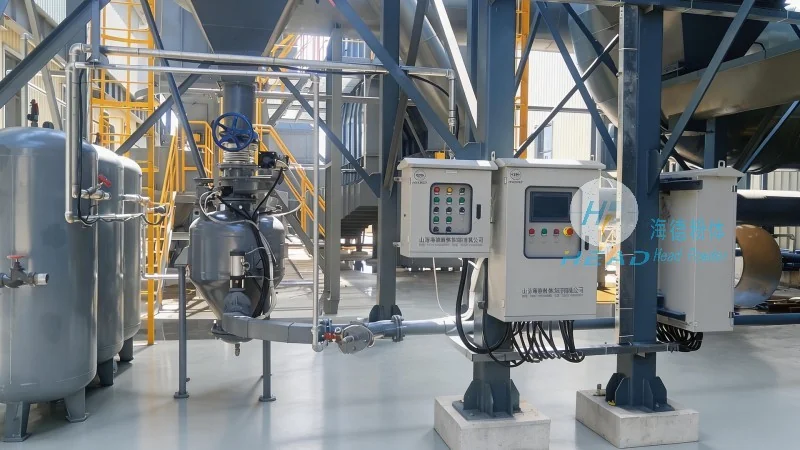
Factors to Consider in System Selection
Several factors influence the choice between positive and negative pressure conveying systems for polypropylene pellets. The distance between the source and destination is a primary consideration; longer distances often favor positive pressure systems due to their ability to maintain material velocity over extended pipelines. The material's characteristics, such as particle size, density, and moisture content, also play a role. For example, larger or heavier pellets may require higher pressure in a positive system to ensure proper transport. The required capacity and flow rate are also critical; positive pressure systems can handle higher capacities, making them ideal for high-volume production lines. Additionally, the environmental and safety requirements of the facility must be considered. Positive pressure systems may require additional filtration and exhaust systems to control dust emissions, while negative pressure systems are often preferred in environments where dust containment is paramount.
HeadPowder's Expertise in Pneumatic Conveying Solutions
Shandong HeadPowder Engineering Co., Ltd. leverages its extensive experience in the engineering and manufacturing of pneumatic conveying systems to provide tailored solutions for polypropylene pellet handling. The company's team of engineers conducts thorough analyses of client requirements, including material properties, operational parameters, and environmental constraints, to design systems that optimize performance and efficiency. By integrating advanced control systems and high-quality components, HeadPowder ensures that its conveying systems meet the highest standards of reliability and durability. The company's commitment to customer satisfaction and technical excellence has made it a trusted partner for industries relying on efficient polypropylene pellet transport.




