Pneumatic conveying systems are critical for the efficient and safe transport of sodium sulfate powder, a key industrial chemical used in various applications such as glass manufacturing, paper production, and chemical synthesis. The choice of conveying mode—positive pressure or negative pressure—significantly impacts system performance, cost, and operational safety. This technical analysis explores the key differences between these two modes, providing insights into their suitability for sodium sulfate powder handling.
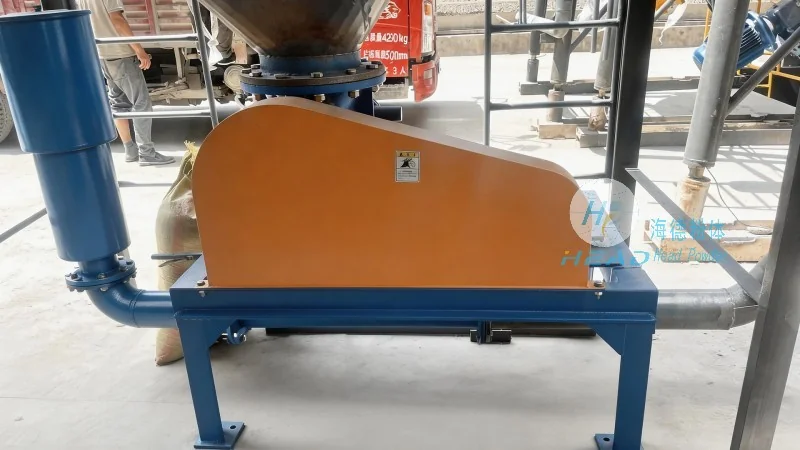
Company Profile: Shandong HeadPowder Engineering Co., Ltd.
As a leading engineering firm in China, Shandong HeadPowder Engineering Co., Ltd. specializes in the design, manufacturing, and installation of advanced pneumatic conveying systems. With years of experience in handling bulk materials like sodium sulfate, the company provides tailored solutions that meet the specific requirements of industrial clients. HeadPowder's expertise lies in optimizing material flow, ensuring minimal product degradation, and enhancing overall system efficiency.
Understanding Pneumatic Conveying for Sodium Sulfate Powder
Pneumatic conveying involves transporting bulk materials through a pipeline using air or gas as the conveying medium. For sodium sulfate powder, which is typically fine and abrasive, the system design must address challenges such as dust control, material segregation, and pressure drop. Positive pressure systems blow air into the pipeline, pushing the material forward, while negative pressure systems draw material into the pipeline using suction. Each mode has distinct characteristics that influence system selection.
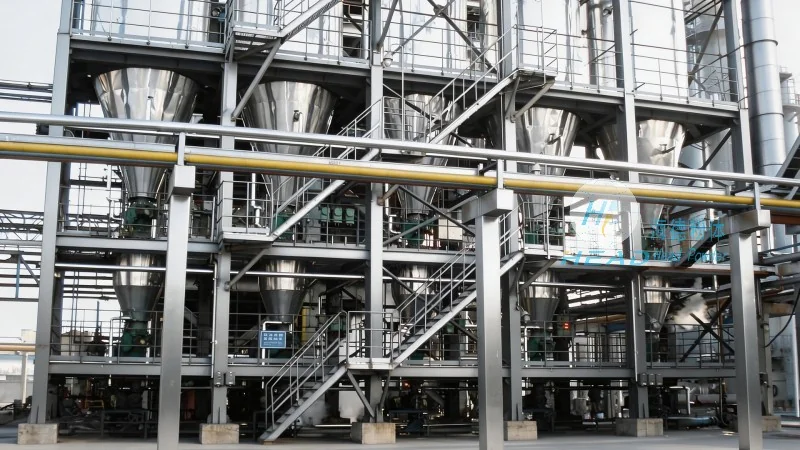
Positive Pressure Conveying Mode: Advantages and Applications
Positive pressure conveying operates by generating pressure within the conveying line, typically using a positive displacement blower or a centrifugal fan. This mode is well-suited for sodium sulfate powder due to its ability to handle high material loads and long distances. Key advantages include: Higher conveying capacity and ability to transport materials over longer distances. Reduced risk of product contamination from external air, as the system is sealed. Improved control over material flow rates, allowing for precise dosing. Applications include bulk handling in chemical plants, where sodium sulfate is processed in large quantities.
Negative Pressure Conveying Mode: Advantages and Applications
Negative pressure conveying, also known as suction conveying, uses a vacuum pump to create a low-pressure environment that draws material into the pipeline. This mode is ideal for applications where the material is to be collected from multiple points or where the system needs to handle fine powders without generating excessive dust. Key advantages include: Lower initial investment and simpler system design compared to positive pressure systems. Reduced noise and vibration, making it suitable for environments where noise control is critical. Ability to handle materials with high moisture content or sticky properties, as the suction process minimizes material buildup. Negative pressure systems are commonly used in food processing and pharmaceutical industries, though they may not be as efficient for long-distance transport of sodium sulfate powder.
Comparative Analysis of Positive vs. Negative Pressure Systems
When comparing positive and negative pressure systems for sodium sulfate powder, several factors must be considered. Positive pressure systems generally offer higher conveying efficiency and capacity, making them preferable for large-scale industrial applications. However, they require more robust equipment and higher energy consumption. Negative pressure systems, while less expensive and quieter, are limited in conveying distance and material load capacity. The choice depends on the specific operational requirements, including the distance between the source and destination, the volume of material to be transported, and the environmental constraints of the facility.
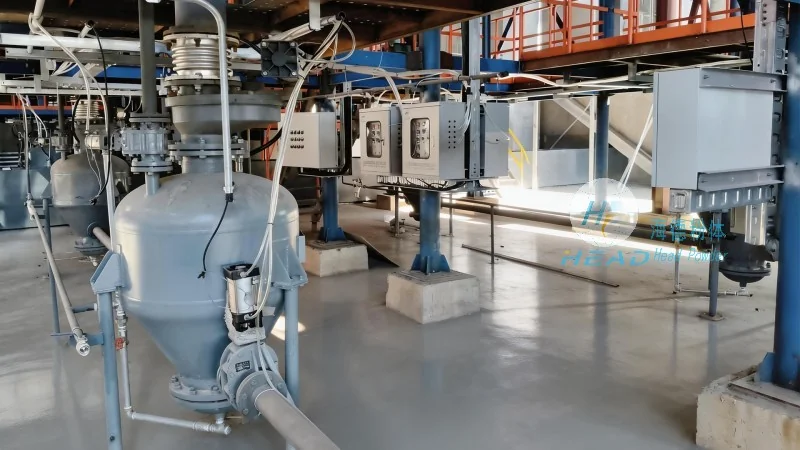
Technical Considerations for Optimal System Design
Designing an effective pneumatic conveying system for sodium sulfate powder involves several technical considerations. First, the material's properties, such as particle size, density, and flowability, must be carefully evaluated. Sodium sulfate powder is typically fine and cohesive, which can lead to blockages if not properly handled. The system must include features like air classifiers, cyclones, and vibration devices to maintain consistent material flow. Second, the selection of the conveying line material is critical. Stainless steel or PVC is commonly used to prevent corrosion and material contamination. Third, the blower or vacuum pump must be sized appropriately to handle the system's pressure drop and material load. Proper sizing ensures efficient operation and minimizes energy waste.
Conclusion: Choosing the Right Conveying Mode for Sodium Sulfate Powder
The selection of a pneumatic conveying mode—positive or negative—for sodium sulfate powder depends on the specific needs of the industrial application. Positive pressure systems provide higher efficiency and capacity, making them suitable for large-scale operations, while negative pressure systems offer cost-effectiveness and noise reduction, ideal for smaller or more localized applications. By understanding the technical differences and operational requirements, industrial clients can choose the most appropriate conveying mode to ensure safe, efficient, and cost-effective handling of sodium sulfate powder. Shandong HeadPowder Engineering Co., Ltd. provides expert guidance and customized solutions to help clients select and implement the optimal pneumatic conveying system for their sodium sulfate powder handling needs.




