When it comes to transporting mineral sands, selecting the right pneumatic conveying system is crucial for efficiency, cost-effectiveness, and operational safety. Two primary types of systems dominate the industry: positive pressure and negative pressure. Understanding the differences between these two approaches is essential for making an informed decision that aligns with specific operational requirements. This article explores the key distinctions between positive and negative pressure pneumatic conveying systems, focusing on their applications, advantages, and considerations for mineral sand transport.
Understanding Pneumatic Conveying Basics
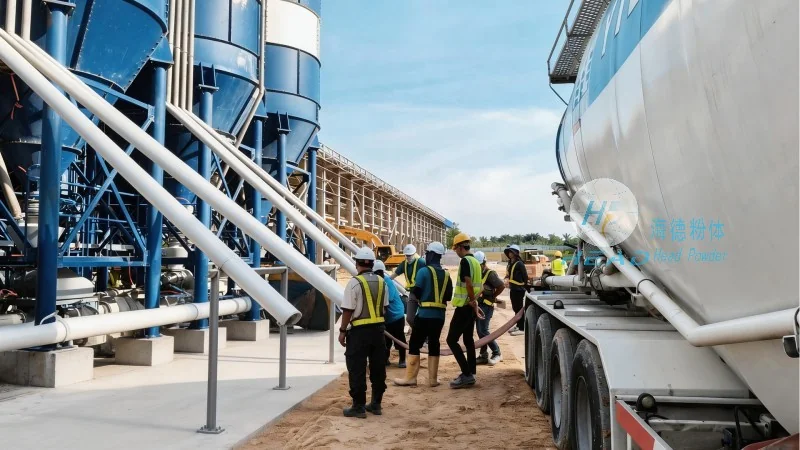
Pneumatic conveying systems use air or gas to transport bulk materials like mineral sands through a pipeline. The fundamental difference between positive and negative pressure systems lies in how the air pressure is managed within the system. Positive pressure systems operate by blowing air into the pipeline, creating a pressure higher than the ambient air, while negative pressure systems create a vacuum by drawing air out of the pipeline, resulting in a pressure lower than the surrounding environment.
Positive Pressure Pneumatic Conveying Systems
Positive pressure systems are widely used in mineral sand handling due to their robustness and ability to handle high material loads. In this system, a blower or compressor forces air into the conveying line, carrying the mineral sand particles forward. The primary advantage of positive pressure is its ability to handle abrasive and high-density materials without significant wear on the equipment. Additionally, positive pressure systems are generally more reliable and easier to maintain, as they do not require complex vacuum pumps or extensive sealing mechanisms. However, they may be less suitable for applications where dust control is a critical concern, as the high-pressure air can cause more dust to be released into the environment.
Negative Pressure Pneumatic Conveying Systems
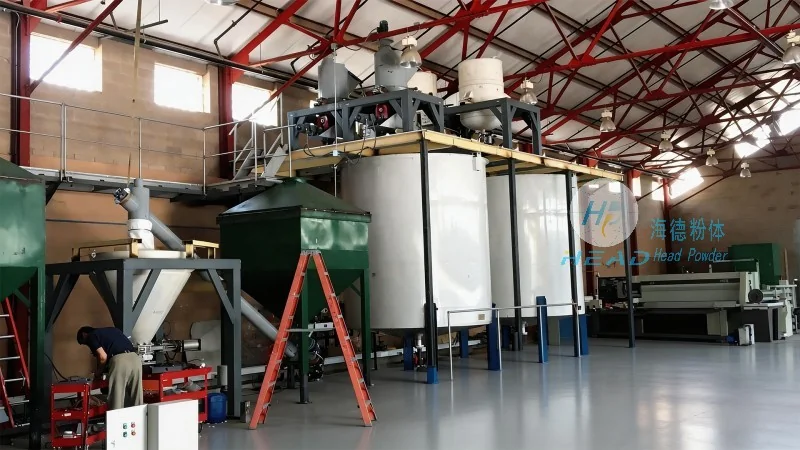
Negative pressure systems, also known as vacuum systems, operate by creating a vacuum in the pipeline to draw material from the source. A vacuum pump pulls air and material particles through the line, transporting them to the destination. The main benefit of negative pressure is superior dust control, as the system draws material in rather than blowing it out, reducing the risk of dust dispersion. This makes negative pressure systems ideal for applications where environmental compliance and worker safety are paramount. However, they are generally less efficient for handling high volumes of material and may require more maintenance due to the wear on vacuum pumps and seals.
Key Factors to Consider When Choosing a System
When deciding between positive and negative pressure pneumatic conveying for mineral sands, several factors must be evaluated. The first consideration is the material characteristics, such as particle size, density, and abrasiveness. High-density and abrasive mineral sands may benefit more from positive pressure systems due to their ability to handle these challenges effectively. Conversely, if dust control is the primary concern, negative pressure systems are the better choice. Another critical factor is the distance and layout of the conveying route. Positive pressure systems are often preferred for longer distances or complex layouts, as they can maintain pressure and material flow more consistently. In contrast, negative pressure systems may be more suitable for shorter distances or simpler routes where dust containment is the main priority.
Operational and Maintenance Implications
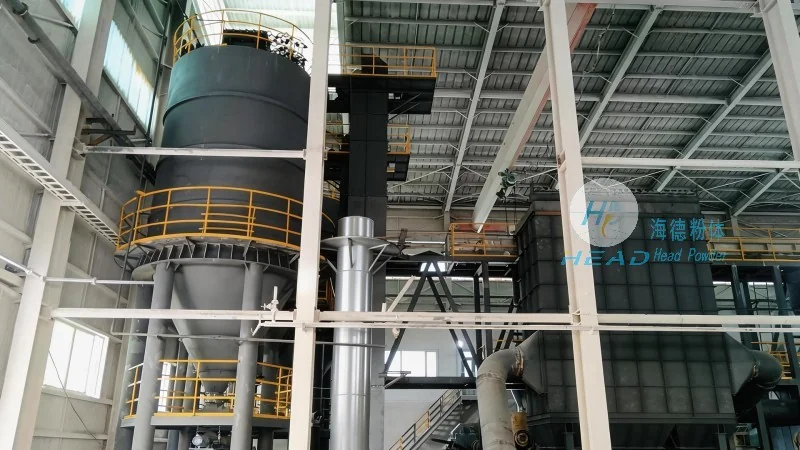
Operational efficiency and maintenance requirements differ significantly between the two systems. Positive pressure systems typically have lower maintenance costs due to fewer moving parts and less wear on components. They also offer better control over material flow rates, allowing for precise adjustments based on operational needs. However, they may require more energy to operate, as the blower must continuously supply high-pressure air. Negative pressure systems, while offering better dust control, often require more frequent maintenance of vacuum pumps and seals, which can increase long-term costs. Additionally, the energy consumption of negative pressure systems can be higher due to the need to maintain a consistent vacuum level.
Case Study: Application in Mineral Sand Processing
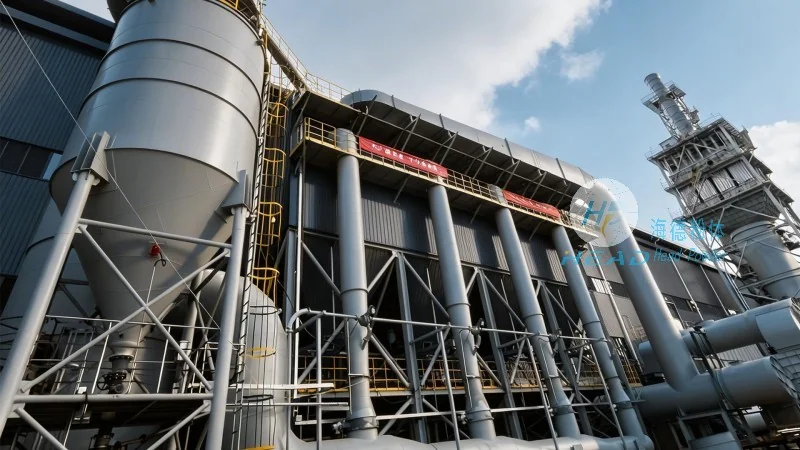
Shandong HeadPowder Engineering Co., Ltd., a leading provider of pneumatic conveying solutions, has extensive experience in implementing both positive and negative pressure systems for mineral sand processing. For instance, in a recent project, the company installed a positive pressure system to transport high-density mineral sands over a distance of 1,000 meters. The system successfully handled the abrasive nature of the material, maintaining consistent flow rates and minimizing equipment wear. In another project, a negative pressure system was chosen to transport fine sand in an environment where dust control was critical. The vacuum system effectively contained dust, ensuring compliance with environmental regulations while maintaining efficient material transport.
Conclusion
Choosing between positive and negative pressure pneumatic conveying systems for mineral sand transport requires a careful evaluation of material characteristics, operational requirements, and environmental considerations. Positive pressure systems offer robustness and efficiency for high-volume, abrasive material handling, while negative pressure systems excel in dust control and environmental compliance. By understanding the key differences and considering the specific needs of the application, operators can select the most suitable system to optimize performance and reduce operational costs. Shandong HeadPowder Engineering Co., Ltd. remains committed to providing tailored pneumatic conveying solutions that meet the diverse needs of the mineral sand industry, ensuring reliable and efficient material transport.




