When it comes to transporting clay using pneumatic conveying systems, the choice between positive pressure and negative pressure methods is a critical decision that impacts efficiency, cost, and operational safety. For industries dealing with clay materials, understanding the nuances of each system is essential to optimize material handling processes. This article explores the key differences between positive pressure and negative pressure pneumatic conveying for clay, helping you make an informed choice for your specific application.
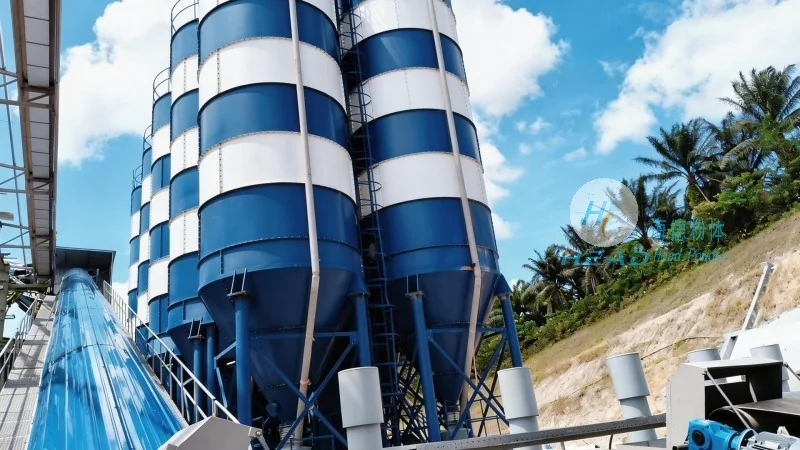
Understanding Pneumatic Conveying Basics
Pneumatic conveying is a method of transporting bulk materials like clay through a pipeline using air or gas as the conveying medium. The two primary types are positive pressure and negative pressure systems, each with distinct characteristics and applications. Positive pressure systems force air or gas into the conveying line, while negative pressure systems create a vacuum to draw material into the line.
Differentiating Positive Pressure Pneumatic Conveying
Positive pressure pneumatic conveying systems operate by blowing air or gas into the conveying line, creating a pressure higher than the ambient air pressure. This method is particularly effective for transporting clay over long distances or through complex piping networks. The primary advantages of positive pressure systems include higher conveying velocities, which can reduce the risk of material buildup and blockages. Additionally, positive pressure systems are often more suitable for abrasive materials like clay, as the high-pressure air helps to maintain pipeline integrity and minimize wear.
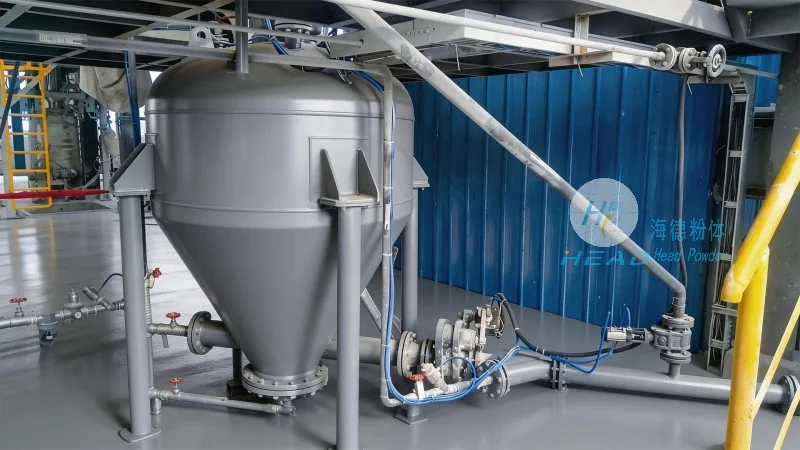
In a positive pressure system, the material is typically fed into the conveying line using a hopper or feeder, and the air is supplied by a blower or compressor. The air and material are mixed in the pipeline, and the mixture is then discharged at the destination. This method is commonly used in industries such as ceramics, where clay is transported from storage to processing facilities. The efficiency of positive pressure systems is enhanced by the use of pulse-jet or rotary airlock feeders, which ensure a consistent flow of material.
Differentiating Negative Pressure Pneumatic Conveying
Negative pressure pneumatic conveying systems, also known as vacuum systems, operate by creating a vacuum in the conveying line, which draws material from the source into the pipeline. This method is ideal for short to medium-distance conveying of clay, especially when the material is to be collected from multiple points or when the source is at a higher elevation than the destination. The main benefits of negative pressure systems include lower energy consumption compared to positive pressure systems, as they require less air volume and pressure to transport the material. Additionally, negative pressure systems are less likely to cause dust emissions at the source, making them suitable for applications where dust control is a priority.
In a negative pressure system, the material is fed into the conveying line using a hopper or feeder, and the air is drawn out by a vacuum pump or fan. The material is then transported through the pipeline and discharged at the destination. This method is commonly used in industries such as construction, where clay is transported from a quarry to a processing plant. The efficiency of negative pressure systems can be improved by using cyclone separators or rotary valves to control the flow of material and air.
Key Factors to Consider When Choosing a System
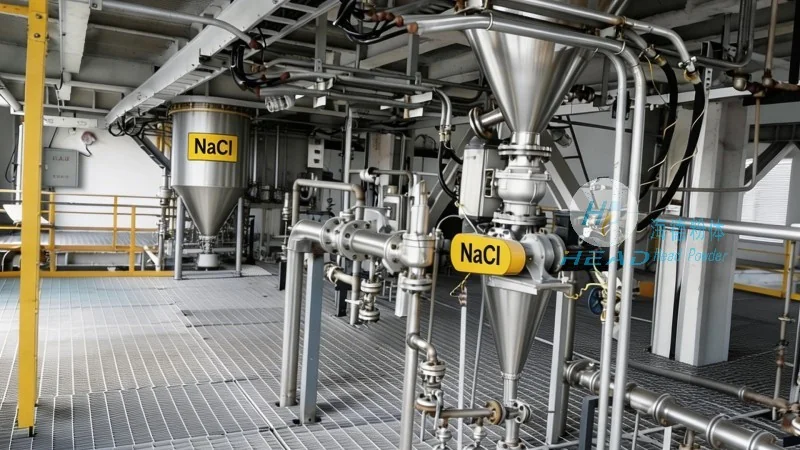
When deciding between positive pressure and negative pressure pneumatic conveying for clay, several factors must be considered. The first is the distance and layout of the conveying system. Positive pressure systems are generally more suitable for long-distance conveying, while negative pressure systems are better for short to medium distances. The second factor is the material characteristics, such as the clay's moisture content, particle size, and abrasiveness. Positive pressure systems are more effective for abrasive materials, while negative pressure systems are better for materials with high moisture content or fine particles. The third factor is the operational environment, including the need for dust control and the availability of space for equipment. Positive pressure systems require more space for the blower and may generate more noise, while negative pressure systems are more compact and quieter.
Another important consideration is the cost of the system. Positive pressure systems are generally more expensive to install and operate due to the higher energy consumption and the need for more robust equipment. Negative pressure systems are more cost-effective for short-distance conveying, as they require less energy and have lower equipment costs. However, the total cost of ownership should be evaluated over the system's lifespan, including maintenance and replacement costs.
Application Examples
Positive pressure pneumatic conveying is commonly used in the ceramics industry for transporting clay from storage silos to mixing and processing equipment. For example, a ceramics manufacturer in China uses a positive pressure system to transport clay from a storage warehouse to a production line over a distance of 500 meters. The system consists of a blower, a hopper feeder, and a pipeline network with pulse-jet cleaning. The positive pressure system ensures a consistent flow of clay, reducing downtime and improving production efficiency.
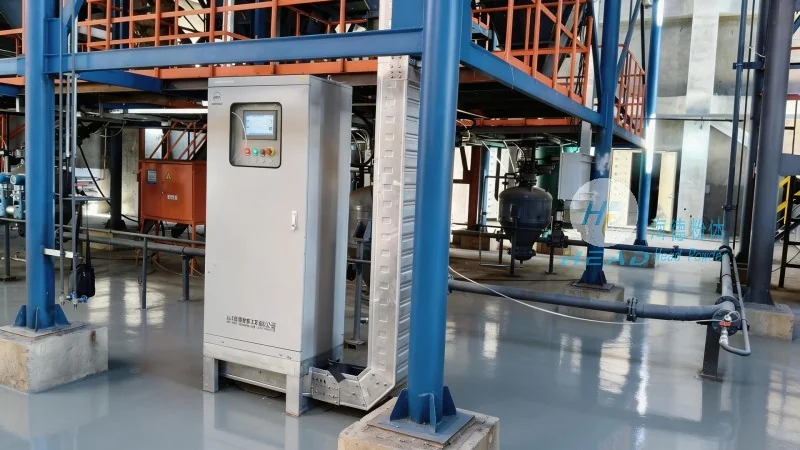
Negative pressure pneumatic conveying is often used in the construction industry for transporting clay from a quarry to a processing plant. For instance, a construction company in Shandong, China, uses a negative pressure system to transport clay from a quarry to a processing facility over a distance of 200 meters. The system includes a vacuum pump, a hopper feeder, and a cyclone separator. The negative pressure system effectively controls dust emissions and reduces the risk of material blockages, making it suitable for outdoor applications.
Conclusion
Choosing between positive pressure and negative pressure pneumatic conveying for clay depends on the specific requirements of the application. Positive pressure systems are more suitable for long-distance conveying of abrasive materials, while negative pressure systems are better for short to medium distances and materials with high moisture content. The key is to evaluate the material characteristics, conveying distance, and operational environment to select the most efficient and cost-effective system. By understanding the differences between these two systems, you can make an informed decision that optimizes your material handling processes and improves overall operational efficiency.




