When it comes to pneumatic conveying systems for white clay, selecting the right type of system—whether positive pressure or negative pressure—is crucial for efficiency, cost-effectiveness, and operational safety. This article will explore the key differences between these two methods and provide guidance on how to choose the appropriate system for your specific needs.
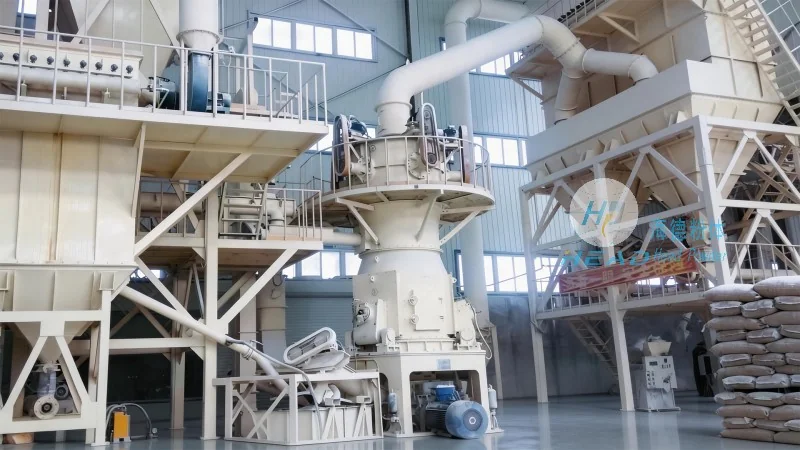
Understanding Pneumatic Conveying Systems
Pneumatic conveying is a method of transporting bulk materials like white clay through a pipeline using air or gas as the conveying medium. The two primary types are positive pressure and negative pressure systems, each with distinct characteristics and applications.
Positive Pressure Pneumatic Conveying
Positive pressure systems operate by blowing air or gas into the conveying line, creating a pressure higher than the ambient air pressure. This pressurized air propels the white clay particles through the pipeline. The system typically includes a blower or compressor at the inlet, which supplies the necessary pressure to move the material.
Key advantages of positive pressure systems include their ability to handle long distances and high material loads, as well as their suitability for abrasive or corrosive materials like white clay. They are often used in industrial settings where high throughput is required. However, these systems may require more maintenance due to the higher pressure and wear on components.
Negative Pressure Pneumatic Conveying
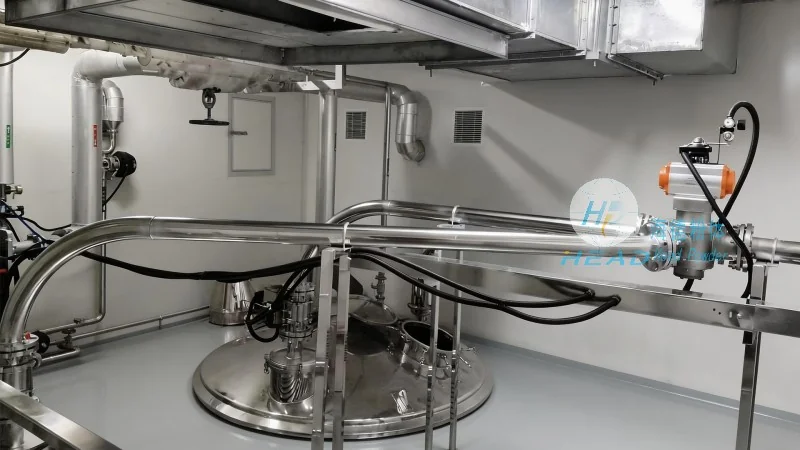
Negative pressure systems, also known as vacuum systems, operate by creating a vacuum at the inlet of the conveying line. This lower pressure draws the white clay particles into the pipeline. The system uses a vacuum pump to create the suction, and the material is then transported to the destination.
Advantages of negative pressure systems include lower energy consumption compared to positive pressure systems, as they do not require high-pressure blowers. They are also quieter and can handle materials that are sensitive to high pressure or friction. However, negative pressure systems may have limitations in terms of conveying distance and material load capacity, making them more suitable for shorter distances or lower throughput applications.
How to Differentiate Between the Two Systems
Choosing between positive and negative pressure pneumatic conveying for white clay depends on several factors, including the distance to be covered, the material characteristics, and the required throughput. Here are some key considerations:
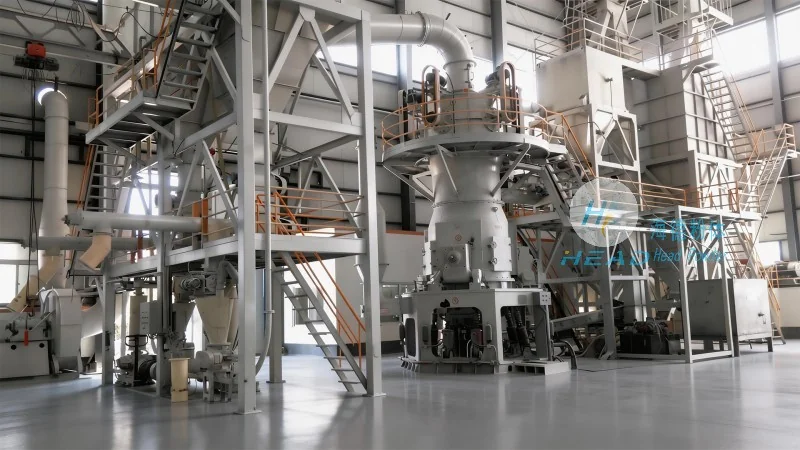
Conveying Distance: Positive pressure systems are generally better suited for longer distances, as they can maintain sufficient pressure to move the material over extended pipelines. Negative pressure systems are more effective for shorter distances due to the limitations of vacuum suction.
Material Characteristics: If the white clay is abrasive or has high moisture content, a positive pressure system may be preferred to prevent material buildup and ensure consistent flow. For more delicate or fine materials, a negative pressure system might be more appropriate to minimize particle breakage.
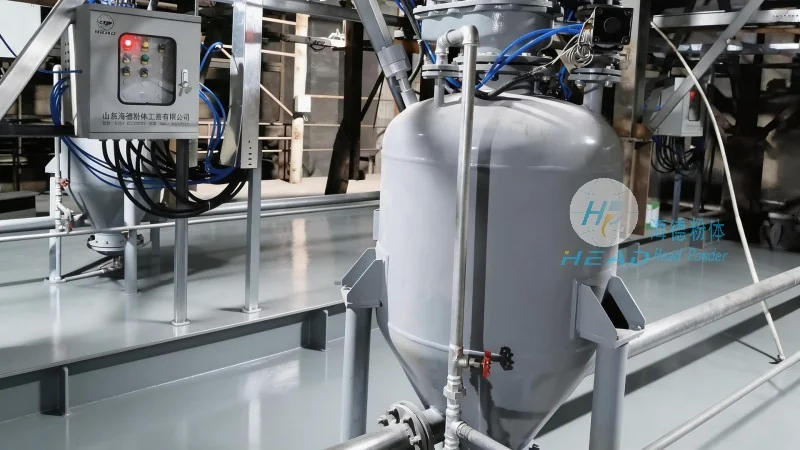
Throughput Requirements: High-volume applications often benefit from positive pressure systems, which can handle larger material loads. For lower throughput needs, a negative pressure system may offer sufficient capacity without excessive energy use.
Conclusion
Both positive pressure and negative pressure pneumatic conveying systems have their place in the transportation of white clay. The choice between them should be based on a thorough evaluation of operational requirements, material properties, and cost considerations. By understanding the differences and selecting the appropriate system, industrial operations can optimize their material handling processes and improve overall efficiency.
Shandong HeadPowder Engineering Co., Ltd., a leading provider of pneumatic conveying solutions, specializes in designing and implementing customized systems tailored to the unique needs of clients. With years of experience in the industry, HeadPowder offers expert guidance and high-quality equipment to ensure reliable and efficient white clay transportation. Located in Shandong, China, the company serves a wide range of industries, including mining, chemicals, and construction, providing comprehensive support from system design to installation and maintenance.




