

[G gypsum fly ash pneumatic conveying: choosing positive pressure vs. negative pressure - how to dif
When it comes to handling gypsum fly ash in industrial settings, selecting the right pneumatic conveying system is crucial for efficiency, cost-effectiveness, and operational safety. Two primary approaches dominate the market: positive pressure and negative pressure systems. Understanding the nuances between these two methods is essential for making an informed decision. This article explores the key differences, factors to consider, and practical guidelines for distinguishing between positive and negative pressure pneumatic conveying for gypsum fly ash applications.
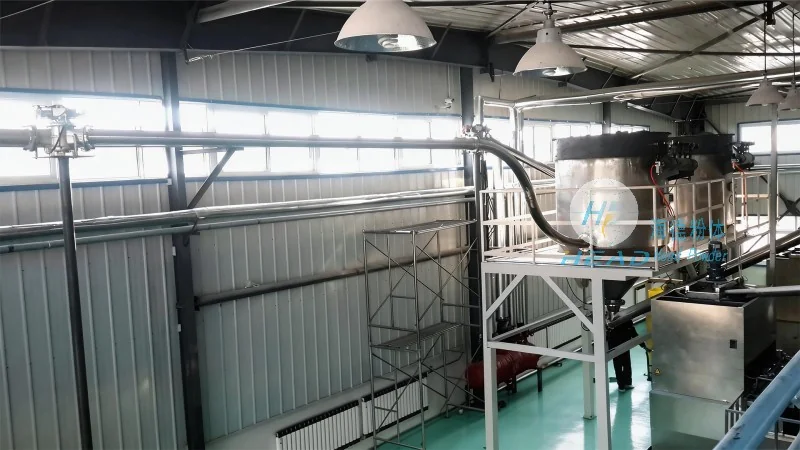
Introduction to Pneumatic Conveying Systems
Pneumatic conveying is a technology used to transport bulk materials like gypsum fly ash through a pipeline using air or gas as the conveying medium. It offers advantages such as reduced labor costs, minimized material degradation, and improved safety compared to traditional methods like belt conveyors or bucket elevators. The choice between positive and negative pressure systems depends on several factors, including material properties, distance, and system complexity.
Positive Pressure Pneumatic Conveying
Positive pressure systems operate by blowing air or gas into the conveying line, creating a pressure higher than the ambient air pressure. This method is often preferred for applications requiring high material throughput and long-distance transport. The primary advantage of positive pressure is its ability to handle abrasive or corrosive materials without significant wear on the system components. In gypsum fly ash applications, positive pressure systems are commonly used when transporting materials from multiple sources to a central processing unit or storage silo.
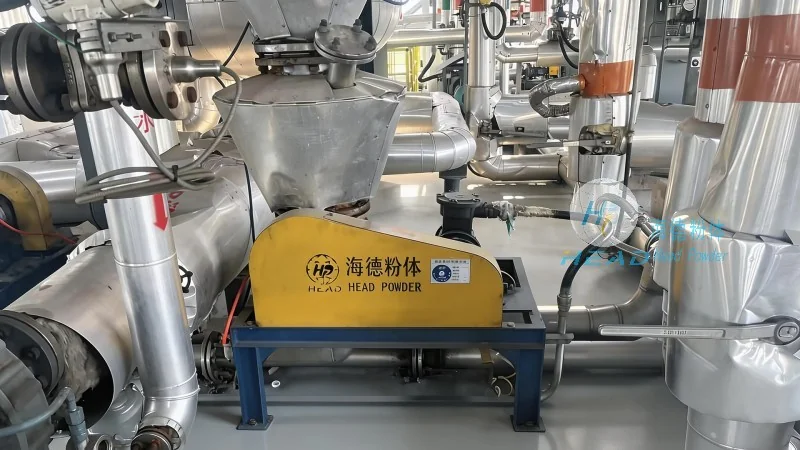
Negative Pressure Pneumatic Conveying
Negative pressure systems, on the other hand, create a vacuum in the conveying line, drawing material into the system. This approach is typically more suitable for shorter distances and applications where material is being collected from a single source or a limited number of points. Negative pressure systems are often chosen for their lower initial investment and simpler design compared to positive pressure systems. However, they may be less efficient for transporting large volumes of material over long distances.
Key Factors to Consider When Choosing Between Systems
Several critical factors influence the decision between positive and negative pressure pneumatic conveying for gypsum fly ash. These include the distance between the source and destination, the volume of material to be transported, the material's properties (such as particle size, moisture content, and abrasiveness), and the available space for system installation. Additionally, the cost of equipment, maintenance requirements, and environmental regulations may also play a role in the selection process.
Distinguishing Between Positive and Negative Pressure Systems
Understanding the operational principles of each system is key to differentiation. Positive pressure systems rely on compressed air or gas to push material through the pipeline, while negative pressure systems use vacuum to pull material. The choice of system can also be influenced by the need for material containment and the risk of dust emissions. For instance, positive pressure systems may require more robust filtration and dust control measures due to the higher air pressure involved.
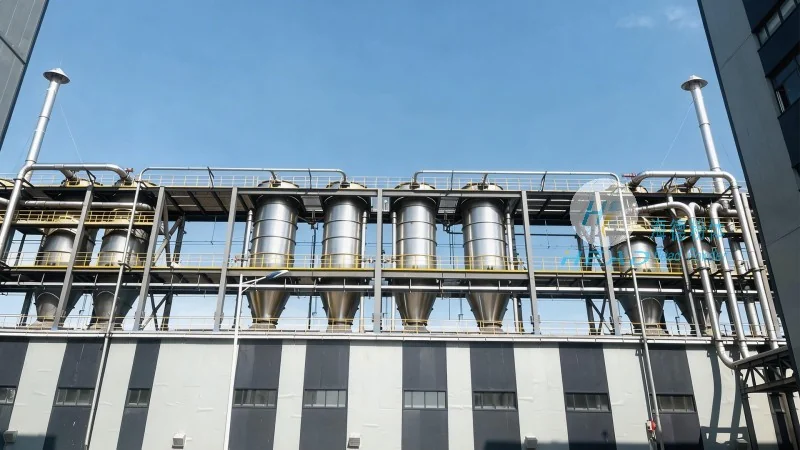
Application Examples in Gypsum Fly Ash Handling
In industrial settings, positive pressure systems are often used in power plants or cement production facilities where large volumes of gypsum fly ash need to be transported from multiple boilers or kilns to a central collection point. Negative pressure systems may be employed in smaller-scale applications, such as transporting fly ash from a single source to a nearby storage silo or processing unit. The selection of the appropriate system ensures optimal performance and compliance with safety and environmental standards.
Conclusion
Choosing between positive and negative pressure pneumatic conveying for gypsum fly ash requires a thorough evaluation of operational needs, material characteristics, and system constraints. By understanding the fundamental differences and considering key factors, industrial facilities can select the most suitable system to enhance efficiency and ensure safe material handling. As a leading provider in the field, Shandong HeadPowder Engineering Co., Ltd. specializes in designing and implementing customized pneumatic conveying solutions tailored to the unique requirements of each project, ensuring optimal performance and reliability in gypsum fly ash handling applications.