When it comes to the pneumatic conveying of aluminum hydride powder, selecting the appropriate system type is crucial for ensuring efficient, safe, and cost-effective material handling. Two primary approaches are commonly considered: positive pressure conveying and negative pressure conveying. Each method has distinct characteristics, advantages, and limitations that must be carefully evaluated based on the specific requirements of the application. This article aims to provide a comprehensive guide to help you understand the differences between these two systems and make an informed decision for your aluminum hydride powder handling needs.
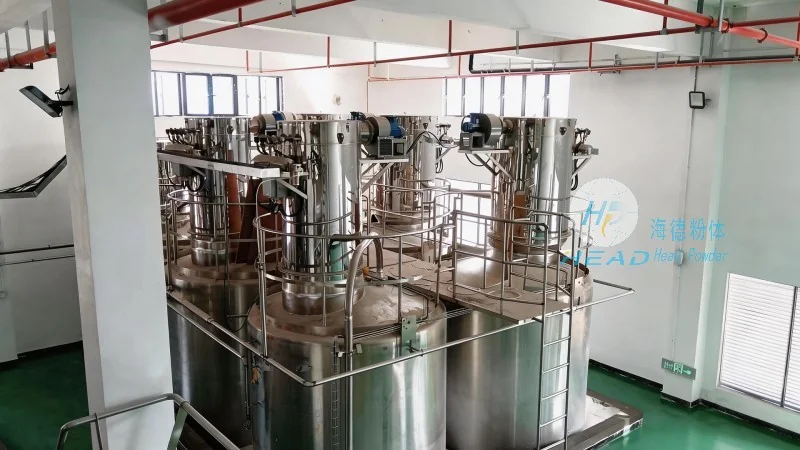
Understanding Pneumatic Conveying Systems
Pneumatic conveying is a technology that uses air or other gases to transport bulk materials like powders, granules, or fine particles through a pipeline. The choice between positive and negative pressure systems depends on factors such as material properties, system layout, safety considerations, and operational efficiency. Both systems have been widely used in various industries, including chemical processing, pharmaceuticals, and food processing, where aluminum hydride powder is often involved.
Key Characteristics of Positive Pressure Conveying
Positive pressure conveying, also known as pressure conveying, operates by blowing air or gas into the conveying line under pressure. The material is drawn into the system and transported to the destination. This method is particularly suitable for applications where the material is sensitive to moisture or contamination, as the system is sealed and the air is filtered to maintain a clean environment. The high pressure in the system helps to overcome resistance and ensure consistent flow rates. In the context of aluminum hydride powder, which is often hygroscopic and reactive, positive pressure systems can provide better control over the material's exposure to air, reducing the risk of degradation or safety hazards.
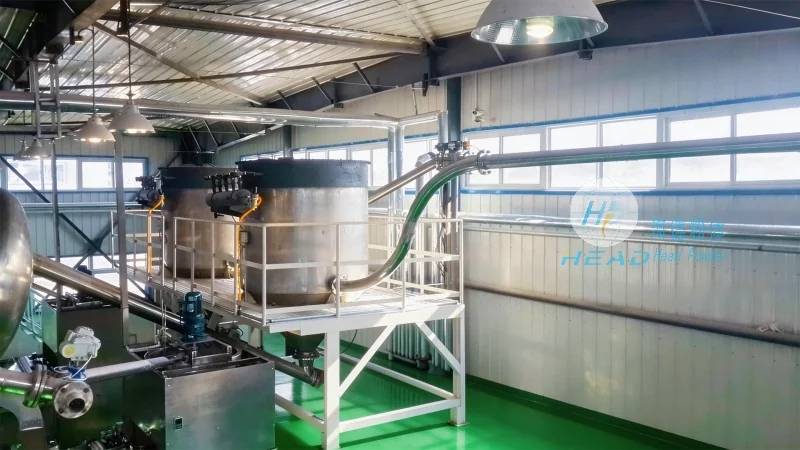
Advantages of Positive Pressure Conveying for Aluminum Hydride Powder
One of the main advantages of positive pressure conveying is its ability to handle materials with high moisture content or those that are prone to caking. The pressurized air helps to keep the powder in a suspended state, preventing it from settling or forming clumps. This is especially important for aluminum hydride powder, which can be sensitive to moisture and may degrade if exposed to air for extended periods. Additionally, positive pressure systems are generally more suitable for long-distance conveying and can handle larger volumes of material with less pressure drop compared to negative pressure systems. The sealed system also minimizes the risk of dust emissions and environmental contamination, making it a preferred choice for applications where safety and environmental compliance are critical.
Key Characteristics of Negative Pressure Conveying
Negative pressure conveying, or vacuum conveying, operates by creating a vacuum in the conveying line, which draws the material into the system. The material is then transported to the destination under the influence of the vacuum. This method is often used for shorter distances and for materials that are less sensitive to pressure or moisture. Negative pressure systems are typically more cost-effective for short-distance conveying and can be simpler to install and maintain. However, they may not be as effective for handling materials that are prone to caking or that require high flow rates.
Advantages of Negative Pressure Conveying for Aluminum Hydride Powder
For applications where the aluminum hydride powder is being handled over short distances and in relatively small quantities, negative pressure conveying can be a viable option. The vacuum system can effectively draw the powder into the pipeline without the need for high-pressure air, reducing energy consumption and operational costs. This method is also suitable for situations where the material is less sensitive to moisture and where the risk of dust emissions is lower. Additionally, negative pressure systems are often more flexible in terms of layout, as they can be easily integrated into existing facilities without major modifications. However, it is important to note that negative pressure systems may not be as effective for handling large volumes of material or for materials that are prone to caking, as the vacuum may not provide sufficient force to maintain consistent flow.
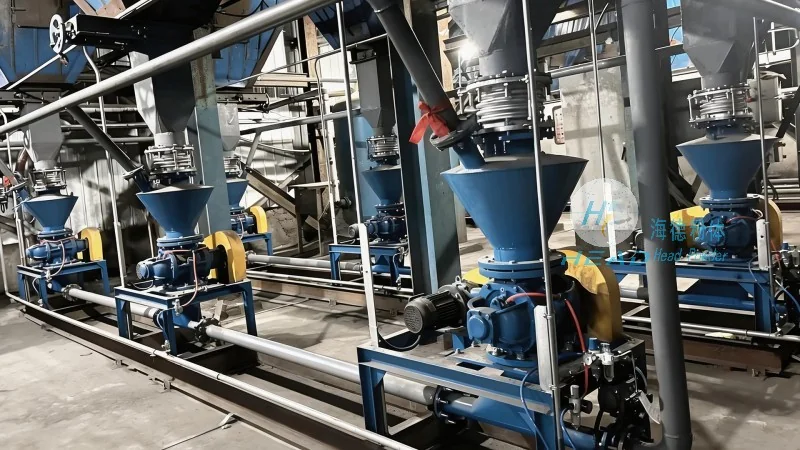
Distinguishing Between Positive and Negative Pressure Systems
When deciding between positive and negative pressure conveying for aluminum hydride powder, several factors should be considered. First, the material properties of the aluminum hydride powder are critical. If the powder is hygroscopic or reactive, a positive pressure system is generally recommended to minimize exposure to air and maintain material integrity. Second, the distance and volume of material to be conveyed are important. For long-distance or high-volume applications, positive pressure systems are often more suitable due to their ability to handle larger volumes and maintain consistent flow rates. For short-distance or low-volume applications, negative pressure systems may be more cost-effective. Third, safety and environmental considerations should be evaluated. Positive pressure systems are better for applications where dust emissions or environmental contamination are a concern, as they are sealed and the air is filtered. Finally, the cost of installation and operation should be considered. Positive pressure systems may require more complex equipment and higher energy consumption, while negative pressure systems are generally more affordable for short-distance conveying.
Conclusion
Choosing between positive and negative pressure for aluminum hydride powder pneumatic conveying requires a careful evaluation of the specific requirements of the application. Both systems have their advantages and limitations, and the best choice depends on factors such as material properties, system layout, safety considerations, and operational efficiency. By understanding the characteristics of each system and considering the specific needs of your aluminum hydride powder handling operation, you can make an informed decision that ensures efficient, safe, and cost-effective material transport. Shandong HeadPowder Engineering Co., Ltd., a leading provider of pneumatic conveying solutions, offers expertise and tailored systems to meet the unique needs of aluminum hydride powder applications. With a focus on quality, safety, and innovation, HeadPowder provides reliable solutions that help clients optimize their material handling processes and achieve their operational goals.




