When it comes to handling pepper powder, selecting the right pneumatic conveying system is crucial for efficiency, cost-effectiveness, and product integrity. The choice between positive pressure and negative pressure systems is a common decision point for many industries, and understanding the nuances of each can help in making an informed choice. This article, brought to you by Shandong HeadPowder Engineering Co., Ltd. (headpowder), will explore the key differences between positive and negative pressure pneumatic conveying for pepper powder, providing insights into how to distinguish between the two and what factors to consider in the selection process.
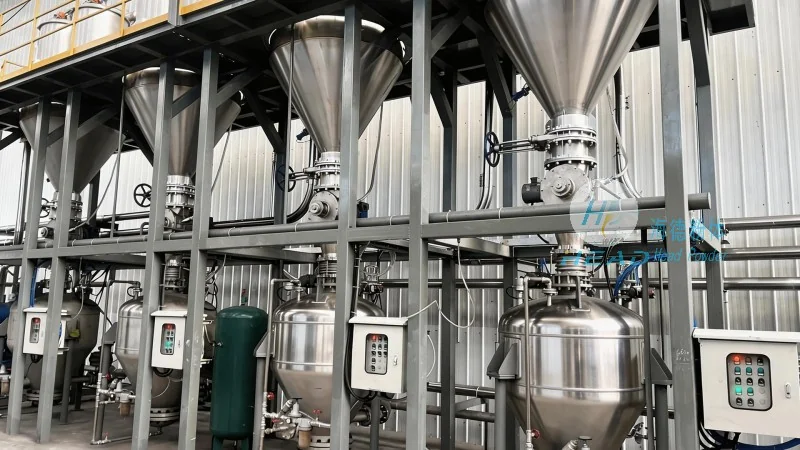
Understanding Pneumatic Conveying Systems
Pneumatic conveying is a method of transporting bulk materials like pepper powder through a pipeline using air or gas as the conveying medium. It offers advantages such as reduced contamination, improved safety, and the ability to handle materials that are difficult to transport by other means. The two primary types of pneumatic conveying systems are positive pressure and negative pressure, each with distinct characteristics and applications.
Positive Pressure Pneumatic Conveying
Positive pressure systems operate by blowing air or gas into the conveying line, creating a pressure higher than the ambient air pressure. This method is often used for short to medium-distance conveying and is particularly suitable for pepper powder due to its ability to handle abrasive or corrosive materials. The system typically includes a blower or compressor at the inlet, which generates the necessary pressure to move the material. One of the key benefits of positive pressure is its ability to handle materials with high moisture content or those that are prone to caking, as the high pressure helps maintain the material's flowability. However, it may require more maintenance due to the higher wear and tear on components like the blower and pipeline.
Negative Pressure Pneumatic Conveying
Negative pressure systems, also known as vacuum systems, work by creating a vacuum at the inlet of the conveying line, drawing the material into the pipeline. This method is ideal for long-distance conveying and is often used when the material needs to be transported from multiple points or when the material is sensitive to pressure changes. The system includes a vacuum pump at the outlet, which creates the negative pressure to pull the material. Negative pressure systems are generally more energy-efficient for long distances and can handle lighter materials more effectively. However, they may be less suitable for materials that are highly abrasive or that have a tendency to generate dust, as the vacuum can cause more material to be released into the air.
Distinguishing Between Positive and Negative Pressure Systems
Identifying the right pneumatic conveying system for pepper powder involves considering several factors, including the distance of the conveying line, the material's properties, and the overall system requirements. Here are some key points to help differentiate between the two:
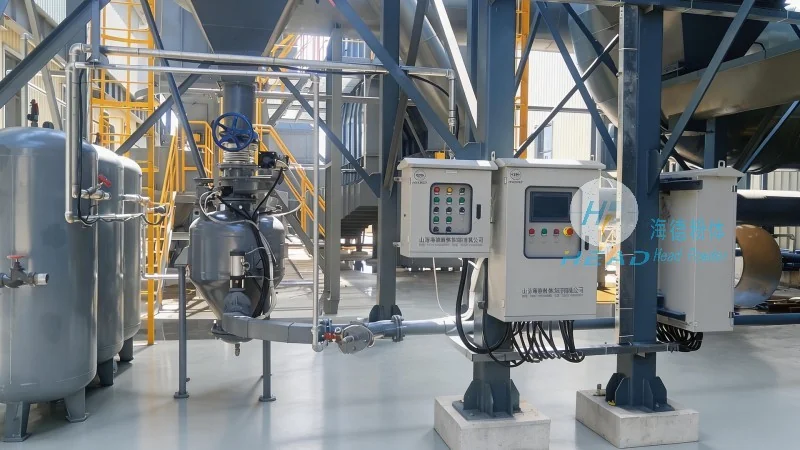
1. **Conveying Distance**: Positive pressure systems are generally more suitable for shorter distances (typically up to 100 meters), while negative pressure systems are better for longer distances (up to several hundred meters or more). For pepper powder, if the conveying distance is short and the material is abrasive, a positive pressure system might be preferred. Conversely, if the distance is long and the material is light or sensitive, a negative pressure system could be more appropriate.
2. **Material Properties**: The characteristics of the pepper powder, such as its particle size, moisture content, and flowability, play a significant role. Positive pressure systems excel with materials that are dense, abrasive, or have high moisture content, as the high pressure helps maintain the material's integrity. Negative pressure systems are better for materials that are light, dusty, or prone to generating fines, as the vacuum helps control dust emissions.
3. **Energy Efficiency**: Positive pressure systems may consume more energy due to the continuous operation of the blower, especially for longer distances. Negative pressure systems are often more energy-efficient for long-distance conveying, as the vacuum pump only operates when material is being conveyed. This can lead to cost savings over time, especially for large-scale operations.
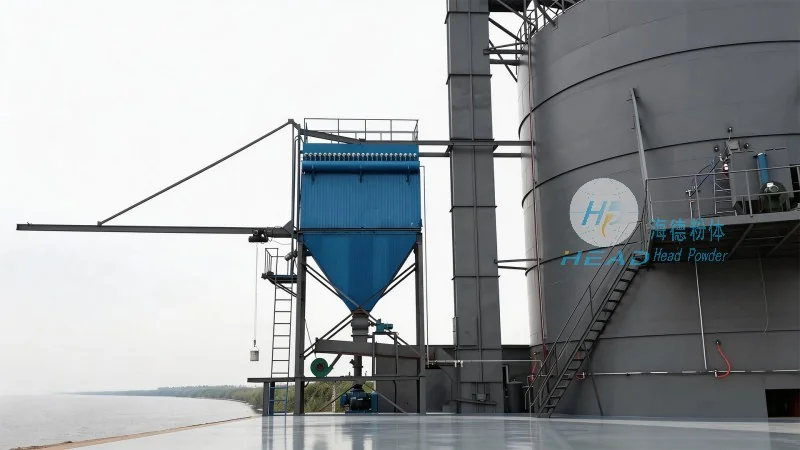
4. **Maintenance and Cost**: Positive pressure systems typically require more maintenance due to the higher stress on components like the blower and pipeline. The cost of replacement parts and repairs can be higher compared to negative pressure systems. Negative pressure systems, while generally more energy-efficient, may have higher initial costs due to the vacuum pump and the need for more robust filtration systems to handle dust.
Choosing the Right System for Pepper Powder
After evaluating the factors mentioned above, the decision between positive and negative pressure pneumatic conveying for pepper powder should be based on a comprehensive analysis of the specific application requirements. For instance, if a pepper processing plant needs to transport pepper powder from a grinder to a storage silo over a short distance and the material is highly abrasive, a positive pressure system might be the optimal choice. On the other hand, if the plant needs to transport the same material over a longer distance and the material is light and dusty, a negative pressure system could offer better performance and cost savings.
It is also important to consider the overall system design and integration with existing infrastructure. A well-designed system should not only meet the conveying requirements but also ensure compliance with safety and environmental regulations. This includes proper dust collection and filtration to prevent air pollution and maintain a safe working environment.
Conclusion
Choosing between positive and negative pressure pneumatic conveying for pepper powder requires a careful assessment of the conveying distance, material properties, energy efficiency, and maintenance considerations. By understanding the differences and benefits of each system, operators can select the most suitable option that maximizes efficiency, minimizes costs, and ensures product quality. Whether opting for a positive pressure or negative pressure system, the goal is to achieve reliable and effective material handling that aligns with the operational needs of the pepper processing facility.




