When it comes to pneumatic conveying of protein powder, choosing between positive pressure and negative pressure systems is a critical decision for manufacturers. The right choice depends on various factors including the material properties, production scale, and operational requirements. Understanding the differences between these two methods is essential for optimizing the conveying process and ensuring product quality.
About HeadPowder: Your Partner in Pneumatic Conveying Solutions
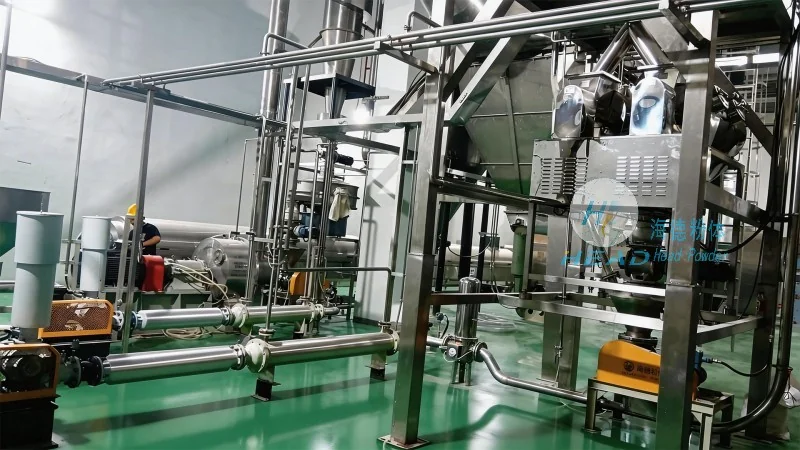
HeadPowder, a leading name in the field, specializes in providing customized pneumatic conveying systems tailored to the unique needs of the food and beverage industry. With a strong presence in Shandong, China, HeadPowder has established itself as a trusted provider of reliable and efficient conveying solutions. The company's expertise lies in designing systems that ensure the safe and hygienic handling of protein powders, maintaining product integrity throughout the conveying process.
Differentiating Positive Pressure and Negative Pressure Conveying Systems
Positive pressure conveying systems operate by blowing air or gas into the conveying line, creating a pressure higher than the ambient air. This method is commonly used for short to medium distance conveying and is particularly suitable for materials that are free-flowing and non-abrasive. In contrast, negative pressure (or vacuum) conveying systems draw material into the system by creating a lower pressure inside the line compared to the ambient environment. This approach is ideal for longer distances and for handling materials that are more cohesive or have higher moisture content.
Applicability of Positive vs. Negative Pressure for Protein Powder
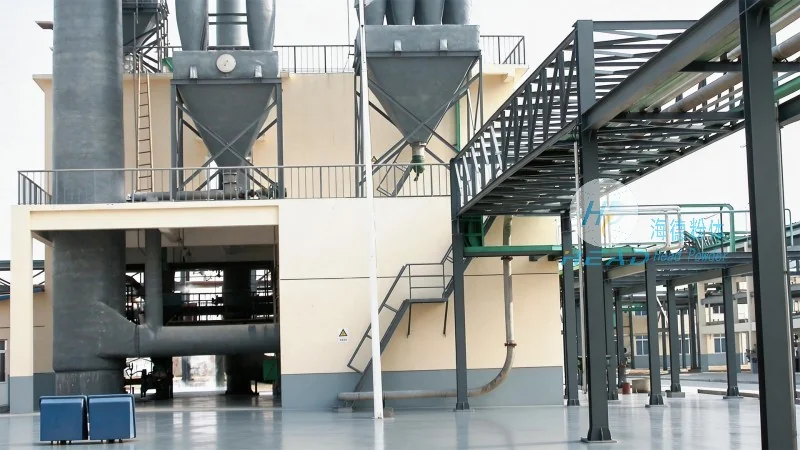
Protein powders, such as whey or soy protein, often present unique challenges due to their fine particle size and potential for static charge. Positive pressure systems may be preferred for conveying protein powders over shorter distances, as they can maintain a consistent flow rate and minimize product degradation. However, for longer runs or when dealing with more challenging material characteristics, negative pressure systems may offer advantages. The choice also depends on the need for containment and the risk of dust exposure. Positive pressure systems typically require better sealing to prevent dust leakage, while negative pressure systems can help in controlling dust but may require more robust filtration to protect the environment.
How to Choose Between Positive and Negative Pressure for Protein Powder Conveying
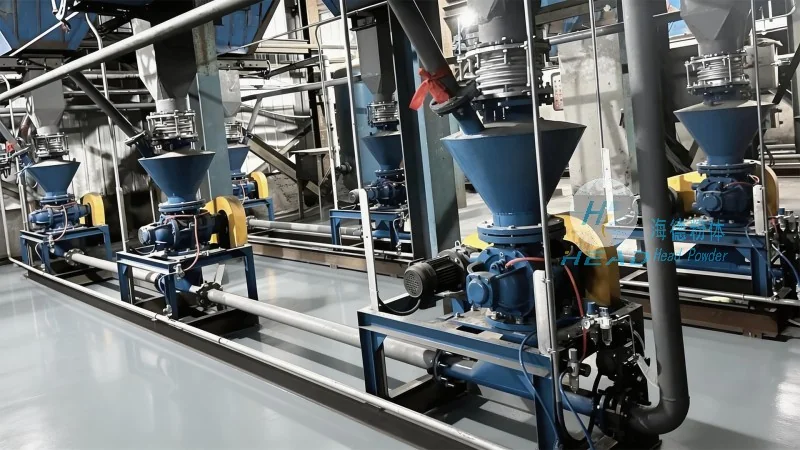
When deciding between positive and negative pressure systems for protein powder, several key factors should be considered. First, the distance between the source and destination is a primary determinant. For short distances (typically under 100 meters), positive pressure systems are often more cost-effective and easier to install. For longer distances (over 100 meters), negative pressure systems may be more efficient in terms of energy consumption and material handling. Second, the material properties play a crucial role. If the protein powder is highly cohesive or prone to bridging, negative pressure systems with higher vacuum levels can help prevent blockages. Third, operational safety and environmental considerations are important. Positive pressure systems may require additional safety measures to prevent dust explosions, while negative pressure systems can help in maintaining a cleaner working environment by containing dust within the system.
HeadPowder's Customized Solutions for Protein Powder Pneumatic Conveying
HeadPowder offers a range of customized pneumatic conveying solutions that cater to the specific requirements of protein powder manufacturers. The company's engineers work closely with clients to assess their production processes, material characteristics, and operational constraints. Based on this analysis, they design systems that may incorporate positive pressure, negative pressure, or a combination of both, depending on the optimal balance of efficiency, cost, and safety. HeadPowder's solutions are designed to ensure minimal product degradation, maintain hygienic conditions, and comply with industry standards. The company provides comprehensive support from system design and installation to ongoing maintenance and troubleshooting, ensuring that clients can rely on their conveying systems for consistent and reliable performance.




