When it comes to transporting barium sulfate via pneumatic systems, the choice between positive pressure and negative pressure conveying is a critical decision that impacts operational efficiency, system reliability, and overall cost-effectiveness. Both methods are widely used in industrial applications, but their suitability depends on various factors such as the properties of the material, the distance of transport, and the specific requirements of the process. In this article, we will explore the key differences between positive and negative pressure systems for barium sulfate pneumatic conveying, and provide a practical guide on how to determine which approach is best suited for your needs.
Understanding Pneumatic Conveying Systems
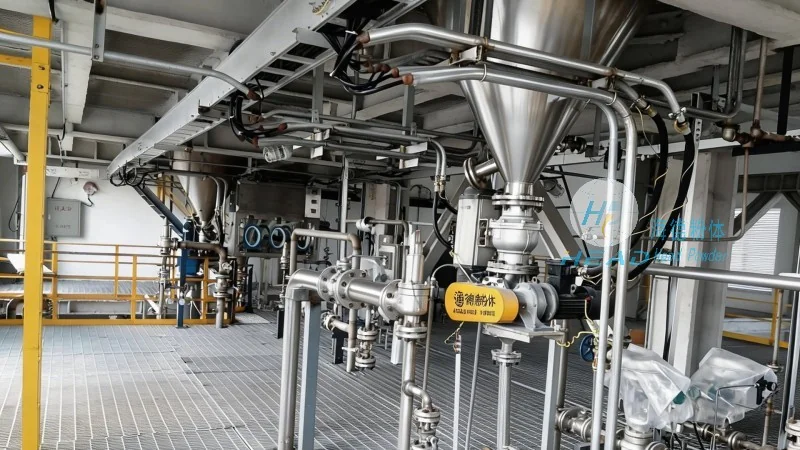
Pneumatic conveying is a method of transporting bulk materials like barium sulfate through a pipeline using air or other gases. The system can be categorized into two main types based on the direction of air flow relative to the material: positive pressure and negative pressure. Understanding the fundamental principles of each system is essential before making a selection.
Positive Pressure Conveying Systems
Positive pressure systems operate by blowing air or gas into the material stream, creating a pressure higher than the ambient air pressure. The material is then carried forward by the high-pressure air. This method is often preferred for applications involving long-distance transport or when the material is sensitive to moisture or contamination from the environment. In the context of barium sulfate, positive pressure systems can effectively handle the material's relatively high density and fine particle size, ensuring minimal degradation during transport.
Key advantages of positive pressure conveying for barium sulfate include its ability to handle abrasive or corrosive materials, as the system can be designed with robust components that resist wear and chemical attack. Additionally, positive pressure systems are generally more suitable for transporting materials over longer distances without significant pressure loss, making them ideal for industrial plants with multiple processing units located far apart.
Negative Pressure Conveying Systems
Negative pressure systems, also known as vacuum conveying, work by creating a vacuum in the pipeline, which draws the material and air into the system. The material is then transported by the suction created by the vacuum pump. This method is often used for short-distance transport or when the material needs to be transferred from a lower elevation to a higher one, as the vacuum can pull the material upward with relative ease.
For barium sulfate, negative pressure systems are particularly advantageous when dealing with materials that are prone to dust generation or when the process requires a clean environment. The sealed system helps minimize dust emissions, which is crucial for maintaining air quality in facilities handling barium sulfate. Moreover, negative pressure conveying can be more energy-efficient for short distances, as the vacuum pump operates at lower power levels compared to the high-pressure blowers used in positive pressure systems.
Distinguishing Between Positive and Negative Pressure Systems
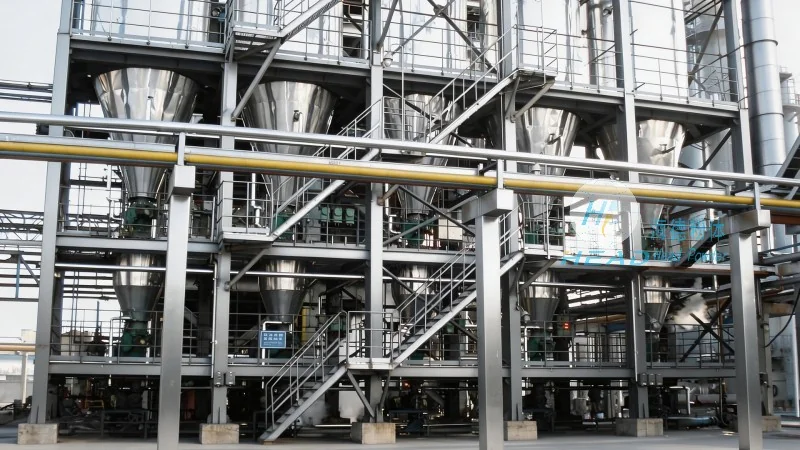
So, how can you determine which system is right for your barium sulfate pneumatic conveying application? The decision primarily hinges on several key factors:
1. Material Properties: Barium sulfate is a dense, fine powder with a relatively high moisture content in some applications. Positive pressure systems are better suited for handling such materials due to their ability to maintain consistent flow rates and prevent material degradation. Negative pressure systems, while effective for dust control, may not be as efficient for transporting high-density materials over long distances without additional energy input.
2. Transport Distance and Elevation: If the barium sulfate needs to be transported over long distances or from a lower to a higher elevation, positive pressure systems are typically more effective. They can maintain sufficient pressure to overcome friction losses and elevation changes. For short distances or when the material is moved horizontally or to a lower elevation, negative pressure systems may suffice.
3. System Complexity and Maintenance: Positive pressure systems generally require more robust components, such as high-pressure blowers and durable pipelines, which can increase initial costs and maintenance requirements. Negative pressure systems, on the other hand, use vacuum pumps and may have simpler pipeline designs, potentially reducing long-term operational costs. However, vacuum systems are more susceptible to clogging due to the fine particle size of barium sulfate, necessitating regular maintenance and cleaning.
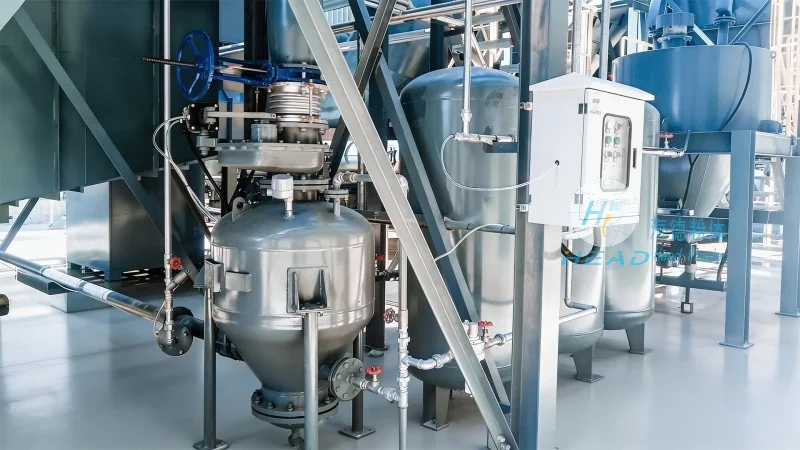
4. Environmental and Safety Considerations: Barium sulfate is a non-combustible material, but its dust can be hazardous if inhaled. Negative pressure systems excel in containing dust and preventing emissions, making them a safer choice in environments where air quality is a concern. Positive pressure systems, while effective in preventing material ingress into the system, may require additional filtration to ensure that any air released does not contaminate the surrounding environment.
Case Study: Application of HeadPowder's Solutions
Shandong HeadPowder Engineering Co., Ltd., a leading provider of pneumatic conveying solutions based in China, has extensive experience in designing and implementing both positive and negative pressure systems for barium sulfate applications. The company's engineers work closely with clients to assess their specific operational needs, material characteristics, and site constraints to recommend the most appropriate conveying method.
For instance, a client in the pharmaceutical industry required a system to transport barium sulfate from a storage silo to a mixing unit over a distance of 200 meters with a 10-meter elevation gain. HeadPowder recommended a positive pressure system equipped with a high-efficiency blower and a specially designed pipeline to handle the fine particles. The system successfully maintained consistent flow rates and ensured minimal material degradation, meeting the client's quality standards.
In another case, a client in the mining sector needed to transfer barium sulfate from a lower level to an upper processing unit over a short distance of 50 meters. HeadPowder opted for a negative pressure system, which effectively controlled dust emissions and reduced energy consumption. The vacuum pump used in the system was selected based on the material's particle size and the required suction capacity, ensuring optimal performance.
Conclusion
Choosing between positive pressure and negative pressure for barium sulfate pneumatic conveying is a decision that requires careful consideration of material properties, transport requirements, and operational constraints. Positive pressure systems offer advantages in long-distance transport and handling of dense materials, while negative pressure systems excel in dust control and short-distance applications. By evaluating these factors and consulting with experienced providers like Shandong HeadPowder Engineering Co., Ltd., industrial facilities can select the most suitable pneumatic conveying system to enhance efficiency, reduce costs, and ensure compliance with safety and environmental regulations.




