When it comes to transporting polyethylene via pneumatic conveying systems, selecting the right pressure type—positive or negative—is a critical decision that impacts efficiency, cost, and operational safety. This article from Shandong HeadPowder Engineering Co., Ltd. explores the key factors to consider when choosing between positive pressure and negative pressure pneumatic conveying for polyethylene, along with practical guidelines on how to differentiate between the two methods.
Understanding Pneumatic Conveying Basics
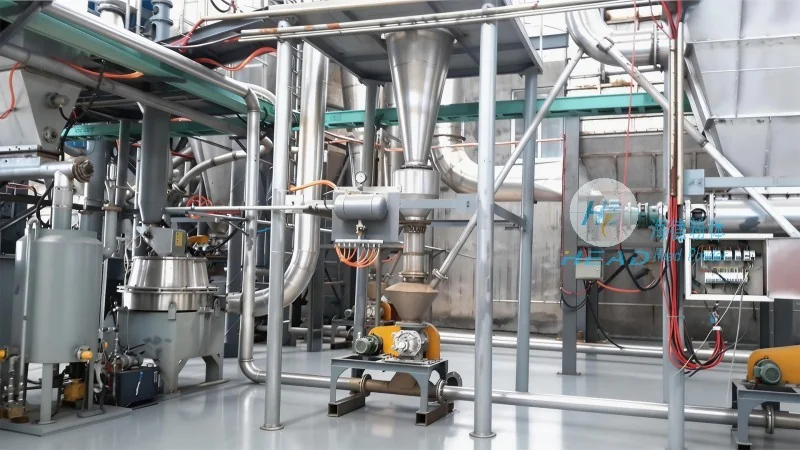
Pneumatic conveying is a method of transporting bulk materials, such as polyethylene pellets or powders, using air or gas as the conveying medium. The two primary pressure types—positive pressure and negative pressure—differ in how they generate the necessary airflow to move the material. Positive pressure systems force air into the conveying line, while negative pressure systems create a vacuum to draw material into the line.
Key Factors Influencing Pressure Type Selection
Several factors influence the choice between positive and negative pressure systems for polyethylene. These include the distance and height of the conveying line, the material's physical properties (such as density, particle size, and moisture content), the required conveying capacity, and the overall system complexity and cost. For instance, positive pressure systems are often preferred for long-distance or high-rise conveying due to their ability to maintain consistent pressure and avoid material degradation. Negative pressure systems, on the other hand, are suitable for shorter distances and when the material is sensitive to air exposure or requires a cleaner environment.
Positive Pressure Pneumatic Conveying for Polyethylene
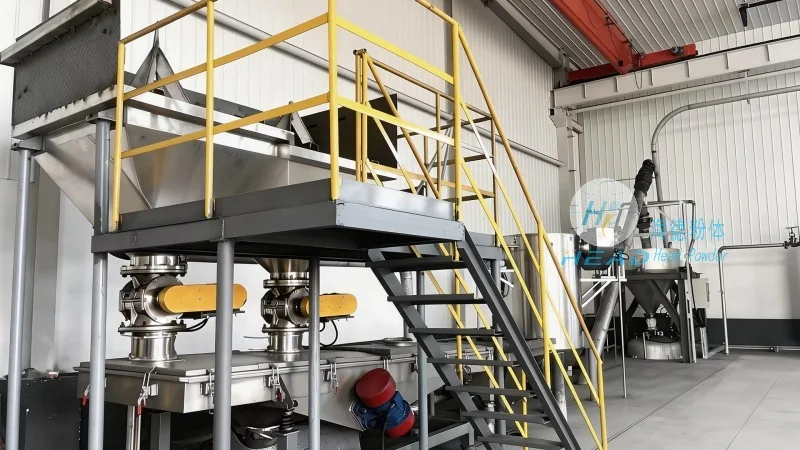
Positive pressure systems operate by blowing air into the conveying line, creating a pressure higher than the ambient air. This method is effective for transporting polyethylene over long distances or to elevated storage areas. The primary advantages of positive pressure include high conveying capacity, minimal material degradation, and the ability to handle abrasive or sticky materials. However, it may require more energy and can be more complex to install and maintain compared to negative pressure systems. The system typically includes a blower, a hopper, and a discharge unit, with the air being filtered and recycled to minimize dust emissions.
Negative Pressure Pneumatic Conveying for Polyethylene
Negative pressure systems, also known as vacuum or suction systems, create a vacuum in the conveying line to draw material from the source. This method is ideal for short-distance conveying, such as moving polyethylene from a hopper to a processing unit within a facility. The advantages of negative pressure include lower energy consumption, simpler installation, and a cleaner environment as the material is drawn rather than pushed. However, it may have lower conveying capacity and can be less effective for long distances or when dealing with heavy or abrasive polyethylene. The system typically includes a vacuum pump, a hopper, and a filter to capture dust and particles.
Distinguishing Between Positive and Negative Pressure Systems
Differentiating between positive and negative pressure pneumatic conveying for polyethylene involves evaluating the system's pressure differential, airflow direction, and operational characteristics. Positive pressure systems have a higher pressure inside the conveying line compared to the ambient air, while negative pressure systems have a lower pressure (vacuum) inside the line. The direction of airflow is also a key indicator: in positive pressure, air moves from the blower into the line and out through the discharge; in negative pressure, air is drawn into the line from the discharge and out through the vacuum pump. Additionally, the system's energy consumption and maintenance requirements can help distinguish between the two. Positive pressure systems generally consume more energy due to the need to maintain high pressure, whereas negative pressure systems are more energy-efficient for short distances.
Practical Considerations for Polyethylene Conveying
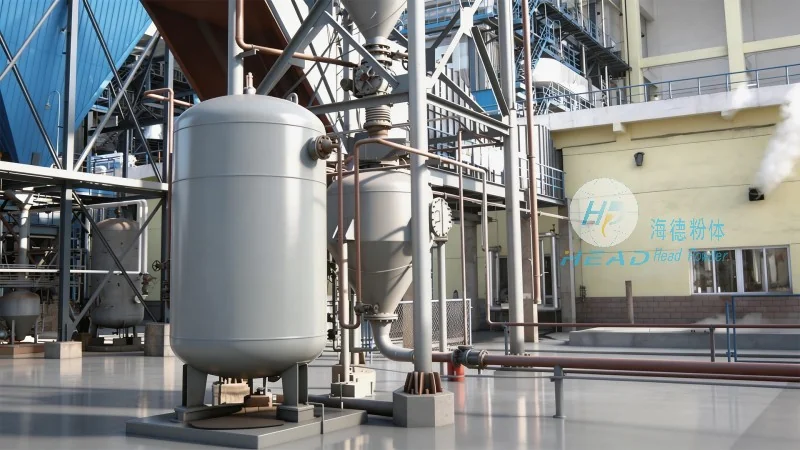
When selecting a pneumatic conveying system for polyethylene, it is essential to consider the material's specific properties and the operational environment. Polyethylene, being a lightweight plastic, may be more susceptible to air exposure in negative pressure systems, potentially leading to oxidation or degradation. Positive pressure systems, with their enclosed air flow, can better protect the material from contaminants and maintain its quality. Furthermore, the distance between the source and destination, the height of the conveying line, and the required throughput all play a role in the decision. For example, if the conveying distance is over 100 meters or the destination is at a higher elevation, a positive pressure system is often more suitable. Conversely, for short distances within a facility, a negative pressure system may be more cost-effective and simpler to implement.
Conclusion
Choosing between positive pressure and negative pressure pneumatic conveying for polyethylene requires a careful evaluation of the system's requirements, material properties, and operational constraints. Positive pressure systems offer higher capacity and better material protection for long-distance or high-rise conveying, while negative pressure systems are more energy-efficient and suitable for short distances. By understanding the key differences in pressure, airflow, and operational characteristics, and considering factors such as distance, material properties, and cost, businesses can select the most appropriate pneumatic conveying system for their polyethylene handling needs. Shandong HeadPowder Engineering Co., Ltd. specializes in designing and implementing customized pneumatic conveying solutions tailored to the specific demands of polyethylene processing, ensuring optimal performance and efficiency.




