Choosing Between Positive and Negative Pressure for Gypsum Sand Pneumatic Conveying: How to Distingu
Release time:2026-09-14 10:44:21
name of the company:Shandong Headpowder Engineering Co., Ltd.
telephone:156-6277-7102
contacts:Zhang manager
When it comes to handling gypsum sand through pneumatic conveying systems, selecting the appropriate pressure type—whether positive or negative—is a critical decision that impacts efficiency, cost, and operational safety. As a leading engineering firm, Shandong HeadPowder Engineering Co., Ltd. specializes in providing tailored solutions for various bulk material transport needs, including gypsum sand. This article explores the key differences between positive and negative pressure systems and offers guidance on how to choose the right approach for your specific application.
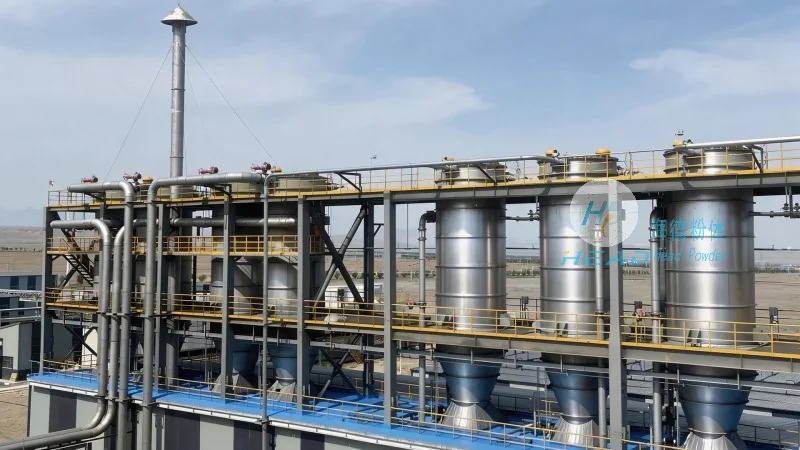
Understanding the Basics: Positive vs. Negative Pressure Pneumatic Conveying
Pneumatic conveying systems rely on air or gas to transport solid materials like gypsum sand. The primary distinction lies in the pressure differential between the conveying line and the surrounding atmosphere. Positive pressure systems operate by maintaining a pressure higher than ambient air pressure within the pipeline, while negative pressure systems maintain a pressure lower than ambient. Each approach has distinct characteristics and is suited to different operational requirements.
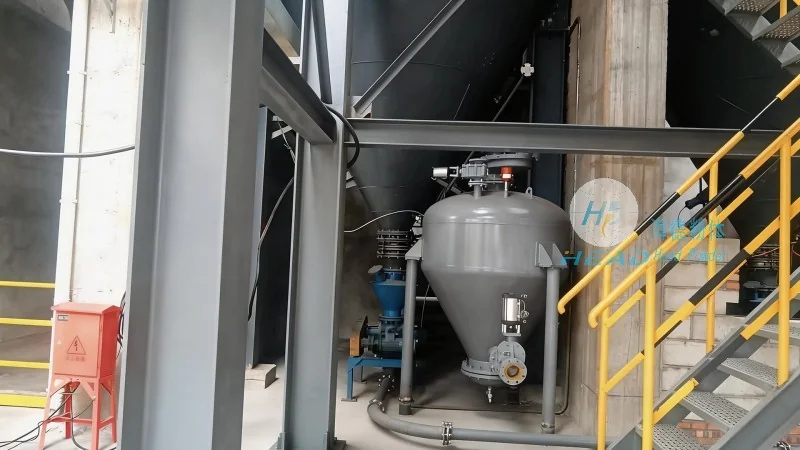
Key Factors Influencing System Selection
The choice between positive and negative pressure for gypsum sand conveying depends on several factors, including the physical properties of the material, the distance it needs to be transported, and the overall system design. For instance, positive pressure systems are often preferred for long-distance or high-volume transport due to their ability to maintain consistent pressure and prevent material degradation. Negative pressure systems, on the other hand, are typically used for shorter distances or when handling materials that are sensitive to pressure changes, such as fine powders that might be prone to caking or agglomeration.
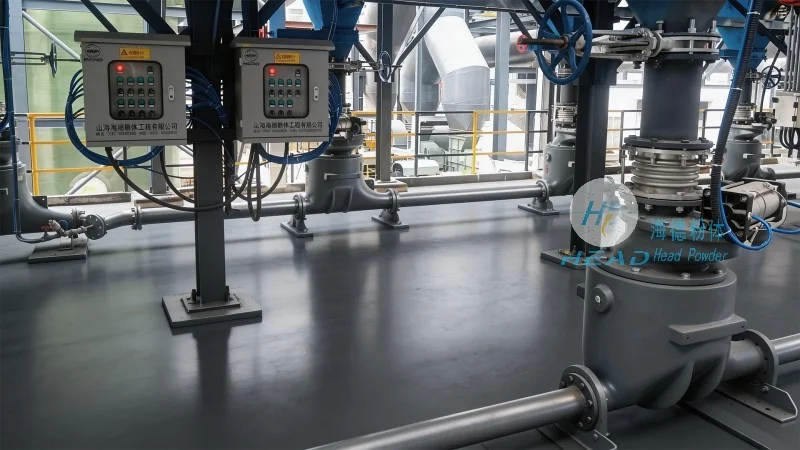
HeadPowder's Expertise in Customized Gypsum Sand Conveying Solutions
Shandong HeadPowder Engineering Co., Ltd. leverages decades of experience in bulk material handling to design and implement pneumatic conveying systems that meet the unique demands of each client. Our team of engineers conducts thorough assessments of material characteristics, such as particle size distribution, moisture content, and flowability, to recommend the most efficient pressure type. Whether a positive pressure system with high-pressure blowers or a negative pressure system with vacuum pumps is required, HeadPowder ensures that the chosen solution optimizes performance while minimizing operational costs and maintenance requirements.
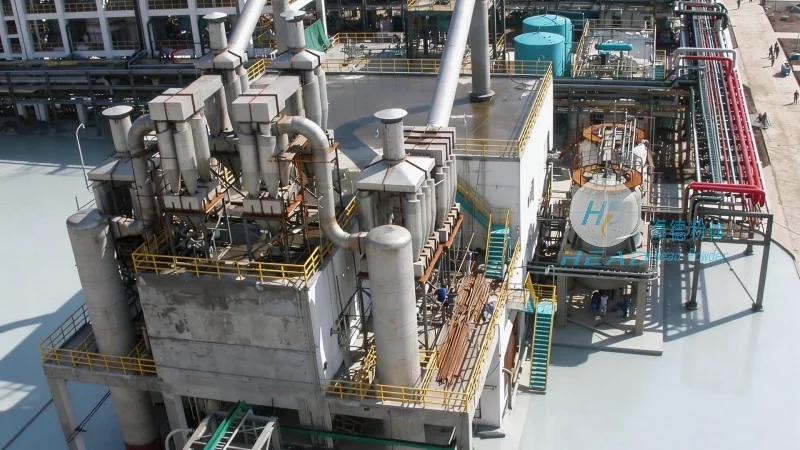
Conclusion: Making an Informed Decision for Gypsum Sand Transport
Choosing between positive and negative pressure for gypsum sand pneumatic conveying requires a careful evaluation of operational needs and material properties. By understanding the fundamental differences in system operation and consulting with industry experts like HeadPowder, businesses can select the most suitable conveying method to enhance productivity and ensure safe, reliable material transport. With a strong presence in China, Shandong HeadPowder Engineering Co., Ltd. continues to provide innovative solutions that address the evolving challenges of bulk material handling in the industry.




