When it comes to transporting maltose using pneumatic conveying systems, the choice between positive pressure and negative pressure methods is a critical decision for industrial operations. Understanding the fundamental differences and specific applications of each system is essential for optimizing efficiency, cost-effectiveness, and product quality in maltose handling processes. This article aims to provide a comprehensive overview of the key factors to consider when selecting the appropriate pneumatic conveying method for maltose, with a focus on the technical distinctions and practical implications for industrial use.
Understanding Pneumatic Conveying Fundamentals
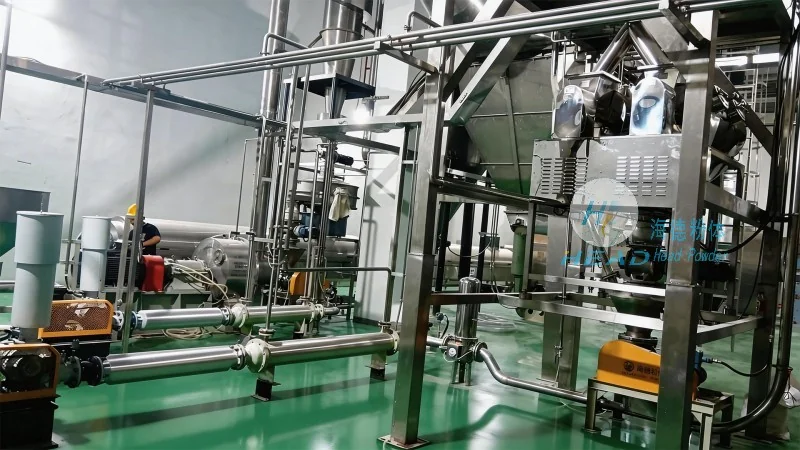
Pneumatic conveying is a technology that uses air or gas to transport bulk materials like maltose through a pipeline system. The two primary methods—positive pressure and negative pressure—differ in how they generate the necessary airflow to move the material. Positive pressure systems force air into the conveying line, while negative pressure systems create a vacuum by pulling air out of the line. Each approach has distinct advantages and limitations that must be evaluated based on the specific characteristics of the maltose being handled, such as its moisture content, particle size, and flowability.
Distinguishing Positive Pressure Pneumatic Conveying
Positive pressure pneumatic conveying systems operate by blowing air into the conveying line, typically using a blower or fan to generate the required pressure. This method is often preferred for transporting maltose in applications where the material is sensitive to moisture or contamination, as the sealed system minimizes exposure to external elements. The positive pressure approach is also suitable for conveying maltose over longer distances or through complex piping networks, as the pressurized air provides consistent flow and prevents material degradation. In industrial settings, positive pressure systems are commonly used in food processing facilities, where maintaining product integrity is paramount. The equipment used in positive pressure systems, such as rotary valves and airlocks, is designed to handle the high-pressure environment and ensure reliable material transfer. The choice of positive pressure for maltose conveying is influenced by factors like the need for airtight containment, the volume of material to be transported, and the operational requirements of the production line.
Distinguishing Negative Pressure Pneumatic Conveying
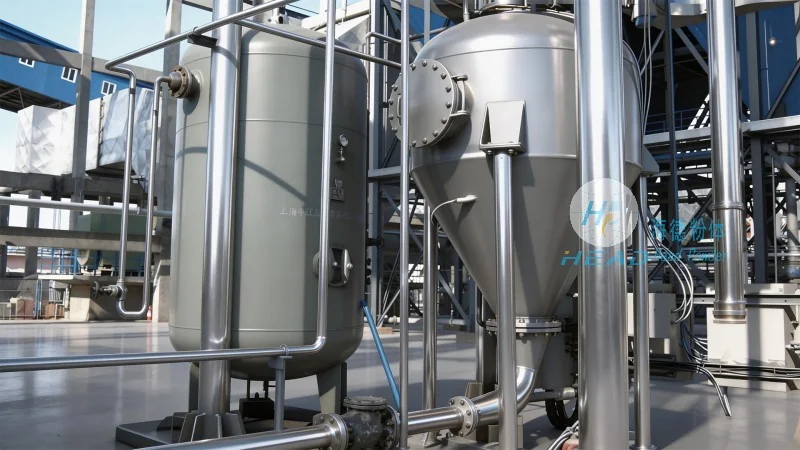
Negative pressure pneumatic conveying systems, on the other hand, rely on a vacuum to draw maltose into the conveying line. This method is often more cost-effective for shorter conveying distances and simpler piping configurations, as it requires less powerful equipment compared to positive pressure systems. The negative pressure approach is particularly suitable for applications where the maltose is relatively dry and free-flowing, as the vacuum can effectively pull the material without causing excessive wear on the system components. However, negative pressure systems are more susceptible to contamination from external air, which may affect the quality of the maltose, especially in food-grade applications. The design of negative pressure systems includes features like cyclone separators and filters to maintain air quality and prevent dust or particles from entering the system. The operational considerations for negative pressure conveying include the need for proper ventilation and the potential for higher energy consumption due to the constant vacuum generation. In industrial use, negative pressure systems are often employed in scenarios where the maltose is being transferred from a hopper or storage bin to a processing unit, and the distance is relatively short.
Key Factors in Selecting the Right Pneumatic Conveying Method for Maltose
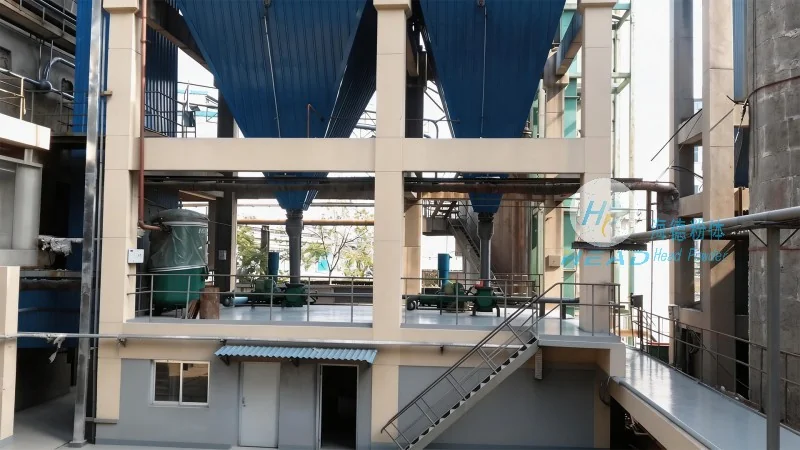
When deciding between positive and negative pressure pneumatic conveying for maltose, several key factors must be considered to ensure optimal performance and cost-effectiveness. The first factor is the physical properties of the maltose, including its particle size distribution, moisture content, and flowability. Coarser or more hygroscopic maltose may require positive pressure systems to prevent clogging or material degradation, while finer or drier maltose may be suitable for negative pressure conveying. The second factor is the conveying distance and system complexity. Longer distances or complex piping networks typically favor positive pressure systems due to their ability to maintain consistent airflow and pressure. The third factor is the environmental and safety requirements of the industrial facility. Positive pressure systems offer better containment and reduce the risk of dust emissions, making them ideal for food processing environments where hygiene and product safety are critical. The fourth factor is the operational cost and energy efficiency. While negative pressure systems may have lower initial equipment costs, positive pressure systems can be more energy-efficient for high-volume or long-distance conveying. The fifth factor is the existing infrastructure and compatibility with the production line. If the facility already has positive pressure equipment or a sealed system, it may be more practical to continue using positive pressure for maltose conveying. Conversely, if the system is designed for negative pressure or has limited space, negative pressure may be the preferred option.
Practical Considerations and Application Examples
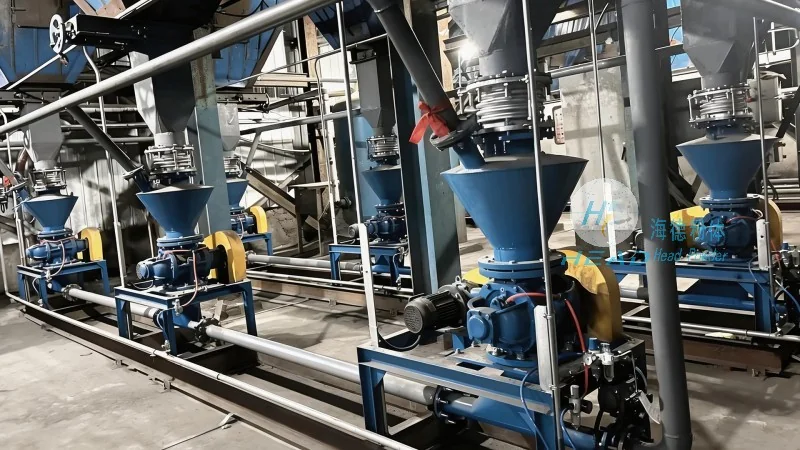
Practical experience in industrial operations has shown that the choice between positive and negative pressure pneumatic conveying for maltose often depends on a combination of the factors mentioned above. For example, in a large-scale maltose production facility in China, Shandong HeadPowder Engineering Co., Ltd. (commonly known as HeadPowder) has implemented a positive pressure system to transport maltose from storage silos to a processing plant over a distance of 200 meters. The system uses a high-efficiency blower and rotary airlock to maintain consistent pressure and prevent material clogging, ensuring a smooth and continuous flow of maltose. The positive pressure approach has been effective in maintaining the quality of the maltose, as the sealed system minimizes exposure to moisture and contaminants. In contrast, a smaller maltose processing plant in the same region has opted for a negative pressure system to transfer maltose from a hopper to a mixing unit over a short distance of 50 meters. The negative pressure system has been cost-effective and suitable for the plant's operational needs, as the material is relatively dry and free-flowing. The choice of negative pressure has allowed the plant to save on equipment costs while maintaining acceptable product quality. These examples illustrate how the selection of pneumatic conveying method is tailored to the specific requirements of each industrial application, balancing efficiency, cost, and product integrity.
Conclusion and Recommendations
In conclusion, the decision between positive pressure and negative pressure pneumatic conveying for maltose is a critical step in optimizing industrial operations. Positive pressure systems offer advantages in terms of product containment, longer conveying distances, and consistent flow, making them suitable for sensitive or high-volume maltose applications. Negative pressure systems, while more cost-effective for shorter distances and simpler setups, may be more susceptible to contamination and require additional filtration. The key to selecting the right method lies in a thorough evaluation of the maltose's physical properties, the conveying distance, the operational requirements, and the environmental and safety standards of the facility. For industrial facilities handling maltose, it is recommended to consult with experts like Shandong HeadPowder Engineering Co., Ltd. to assess the specific needs and design an appropriate pneumatic conveying system that maximizes efficiency, reduces costs, and ensures product quality. By carefully considering the technical and practical aspects of each method, industrial operations can achieve reliable and cost-effective maltose transportation, supporting their overall production goals and maintaining compliance with industry standards.




