When it comes to the pneumatic conveying of corn kernels, selecting the right system is crucial for efficiency, cost-effectiveness, and operational safety. Two primary methods dominate the industry: positive pressure and negative pressure systems. Understanding the differences between these approaches is essential for making an informed decision that aligns with your specific processing needs. This article explores the key distinctions between positive and negative pressure pneumatic conveying systems, helping you determine which option is best suited for handling corn kernels.
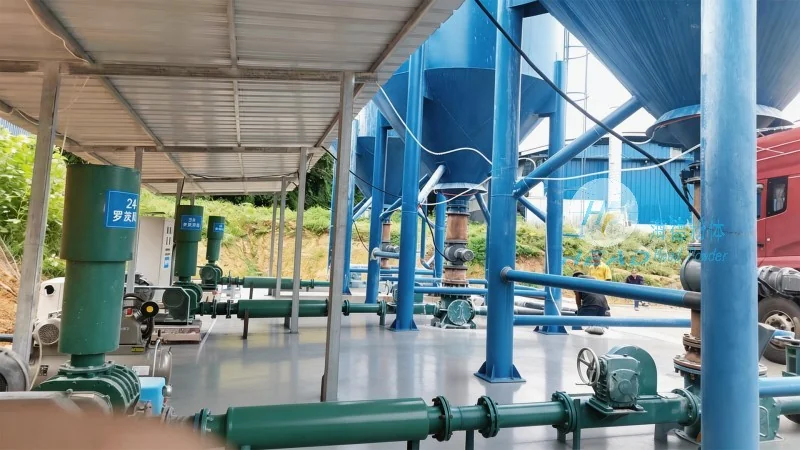
Understanding Pneumatic Conveying Systems
Pneumatic conveying is a method of transporting bulk materials like corn kernels through a pipeline using air or gas. It offers several advantages over traditional mechanical conveying, including reduced equipment wear, lower labor costs, and the ability to transport materials over long distances without the need for multiple transfer points. The core principle involves creating a pressure differential to move the material through the system.
Positive Pressure Pneumatic Conveying
Positive pressure systems operate by generating higher pressure in the conveying line than the surrounding atmosphere. This is typically achieved using a positive displacement blower or a centrifugal fan that forces air into the system. The air flows through the pipeline, carrying the corn kernels along with it. The pressure is maintained throughout the entire system, including the receiving hopper and any transfer points. This method is particularly effective for long-distance conveying and for transporting materials through multiple bends and vertical lifts.
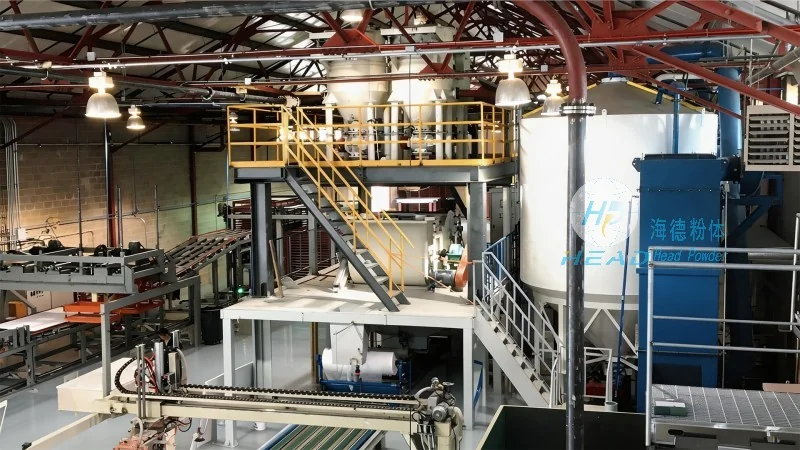
Key advantages of positive pressure systems include their ability to handle long distances and complex layouts, as well as their suitability for abrasive materials like corn kernels, which can cause wear in negative pressure systems. However, they may require more robust equipment and higher energy consumption compared to negative pressure systems.
Negative Pressure Pneumatic Conveying
Negative pressure systems, also known as vacuum systems, operate by creating a lower pressure in the conveying line than the surrounding atmosphere. This is typically achieved using a vacuum pump or a fan that draws air and material from the source and transports it to the destination. The air and material are pulled through the pipeline, and the system maintains a negative pressure throughout. Negative pressure systems are often preferred for shorter distances and for applications where the material is to be collected from a specific source, such as a storage bin or a silo.
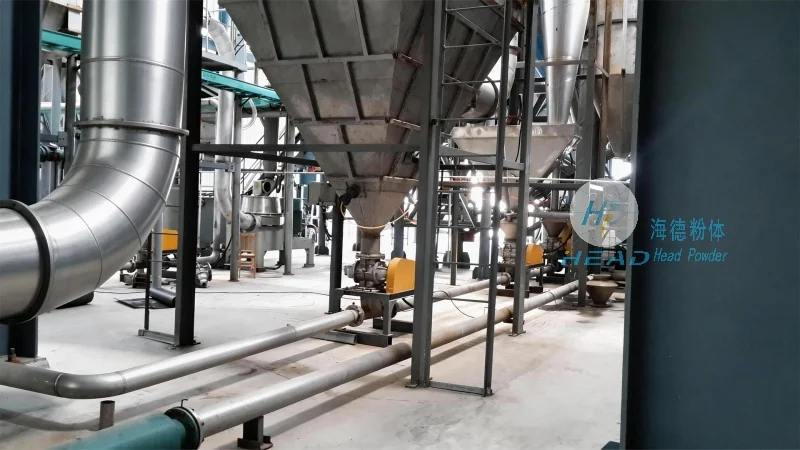
Advantages of negative pressure systems include lower initial costs and reduced energy consumption compared to positive pressure systems. They are also less likely to cause dust emissions at the source, as the material is drawn into the system rather than being expelled. However, they may have limitations in terms of conveying distance and the ability to handle abrasive materials effectively.
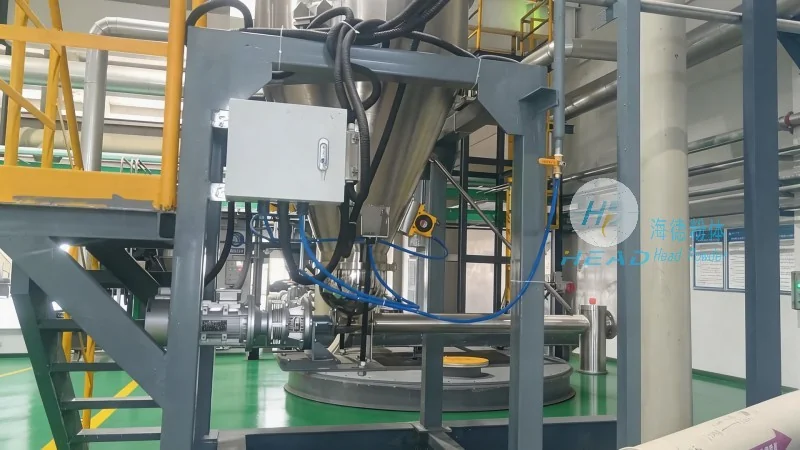
How to Differentiate Between Positive and Negative Pressure Systems
Determining whether a positive or negative pressure system is appropriate for corn kernel pneumatic conveying depends on several factors, including the distance to be covered, the layout of the facility, the material characteristics, and the desired operational efficiency. Here are some key considerations:
- Conveying Distance: Positive pressure systems are generally better suited for longer distances, as they maintain higher pressure throughout the system. Negative pressure systems are more effective for shorter distances, as the pressure differential diminishes over longer runs.
- Material Characteristics: Corn kernels are relatively light and non-abrasive, but they can still cause wear in the system. Positive pressure systems may be preferred for abrasive materials, as the higher pressure helps to move the material more effectively and reduces the risk of clogging. Negative pressure systems may be more suitable for non-abrasive materials where dust control is a priority.
- Facility Layout: If the conveying system involves multiple vertical lifts or complex piping, a positive pressure system may be more efficient. Negative pressure systems are often used in applications where the material is to be collected from a single source and transported to a single destination, with minimal changes in elevation.
- Energy Consumption: Positive pressure systems typically consume more energy due to the need to maintain higher pressure. Negative pressure systems are more energy-efficient, making them a cost-effective choice for shorter distances.
Factors to Consider When Choosing a System
When deciding between positive and negative pressure pneumatic conveying for corn kernels, it is essential to evaluate several factors to ensure the best fit for your operation. These factors include:




