When it comes to transporting ceramic particles via pneumatic systems, selecting the right pressure type—positive or negative—is a critical decision. The choice significantly impacts system efficiency, particle integrity, and overall operational costs. Understanding the fundamental differences between these two approaches is essential for optimizing material handling processes in industrial applications.
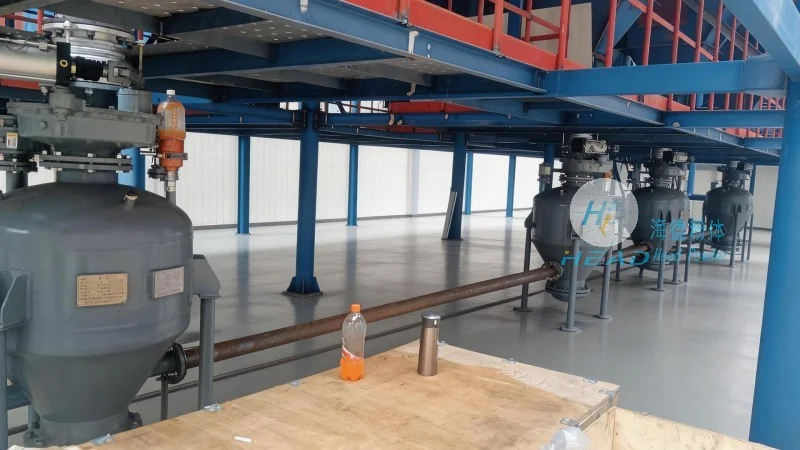
Positive Pressure Pneumatic Conveying
Positive pressure systems operate by blowing air or a carrier gas into a pipeline, creating a pressure higher than the ambient environment. This method is particularly effective for transporting materials that are abrasive, have high moisture content, or are prone to caking. The pressurized air pushes the particles through the system, ensuring consistent flow and preventing material buildup in the line. For ceramic particles, which often require gentle handling to avoid breakage, positive pressure can be advantageous when the material is dry and free-flowing. However, it may not be suitable for very fine or fragile particles due to the risk of excessive pressure causing damage.
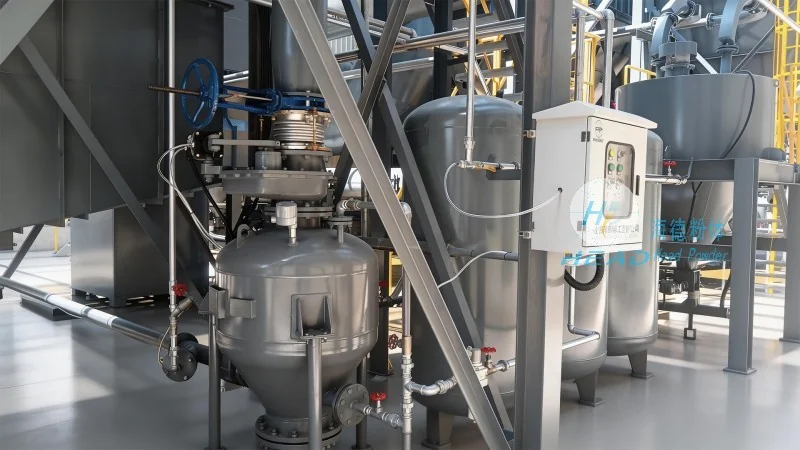
Negative Pressure Pneumatic Conveying
Negative pressure systems, also known as vacuum or suction systems, work by creating a vacuum in the pipeline, drawing material from the source into the system. This approach is ideal for applications where the material needs to be collected from a remote or enclosed location, such as a silo or hopper. Negative pressure is often preferred for handling fine powders or materials that are prone to dust generation, as the vacuum helps contain particles and minimize emissions. For ceramic particles, negative pressure can be effective when the material is relatively dry and non-adhesive, but it may struggle with larger or bulkier particles that require more force to move.
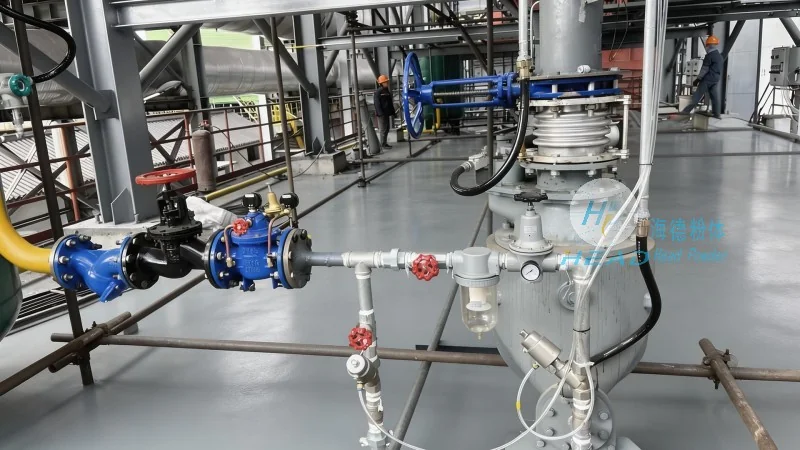
Distinguishing Between Positive and Negative Pressure Systems
The key to choosing the right system lies in evaluating several factors related to the ceramic particles and the application requirements. First, consider the particle size and shape. Coarse, irregularly shaped ceramic particles may benefit from positive pressure due to the ability to handle higher flow rates and prevent blockages. In contrast, fine, powdery ceramic particles are better suited for negative pressure, as the vacuum can effectively draw them into the system without causing excessive friction or breakage. Second, assess the material's moisture content and tendency to agglomerate. Materials with high moisture or a tendency to stick together may require positive pressure to maintain flow, as the pressurized air helps break up clumps. Third, evaluate the system layout and distance between the source and destination. Longer or more complex pipelines may necessitate positive pressure to overcome resistance, while shorter, simpler systems can often use negative pressure effectively. Finally, consider the environmental and safety requirements. Positive pressure systems may generate more noise and require additional filtration, while negative pressure systems can help contain dust, making them suitable for applications where air quality is a concern.
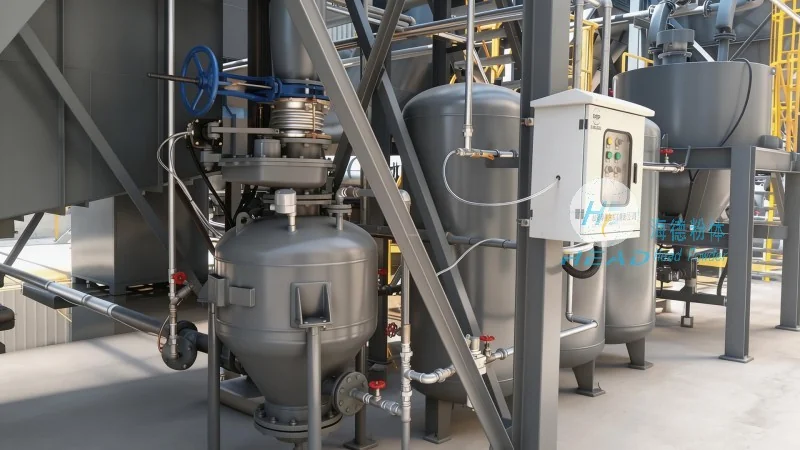
HeadPowder: Your Partner in Ceramic Particle Pneumatic Conveying Solutions
Shandong HeadPowder Engineering Co., Ltd., commonly known as HeadPowder, is a leading provider of customized pneumatic conveying systems tailored to the unique needs of ceramic manufacturers. With years of experience in the industry, HeadPowder understands the challenges associated with handling ceramic particles and offers comprehensive solutions that balance efficiency, reliability, and cost-effectiveness. The company’s team of experts works closely with clients to assess their material characteristics, process requirements, and operational constraints, then designs and implements the most appropriate positive or negative pressure system. Whether you need a new system installation or an upgrade to an existing one, HeadPowder provides expert guidance and high-quality equipment to ensure optimal performance. HeadPowder’s commitment to quality and customer satisfaction has made it a trusted name in the ceramic processing industry, serving clients across China and beyond.




