When it comes to handling dry coffee beans and related products, selecting the right pneumatic conveying system is crucial for efficiency, product quality, and operational reliability. Pneumatic conveying offers a dust-free, hygienic method to transport bulk materials like coffee beans, grounds, and other dry powders. However, the choice between positive pressure and negative pressure systems depends on several factors, including material characteristics, system layout, and operational requirements. This article explores the key differences between positive pressure and negative pressure pneumatic conveying for dry coffee applications, helping you make an informed decision.
Understanding Positive Pressure Pneumatic Conveying
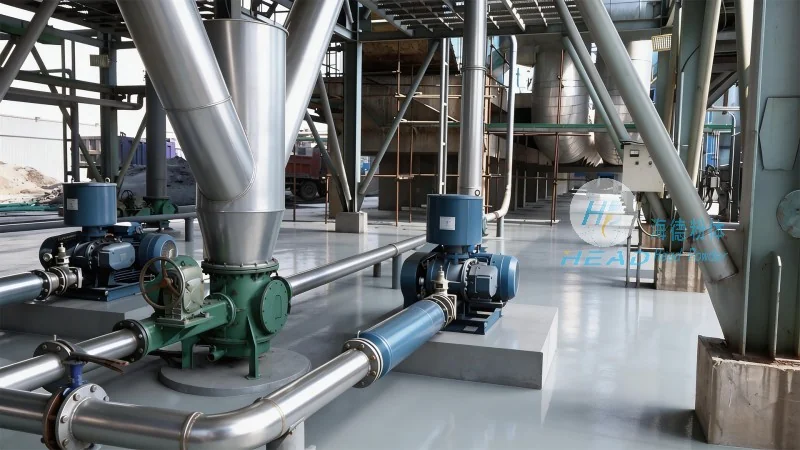
Positive pressure systems operate by blowing air or gas into the conveying line, creating a pressure higher than the ambient air pressure. This method is particularly effective for transporting dry coffee beans and other light, free-flowing materials. The high-pressure air propels the material through the pipeline, ensuring consistent flow and preventing material buildup or blockages. For dry coffee, positive pressure systems are often preferred when the material is prone to static electricity or when the conveying distance is long. The continuous airflow also helps maintain product temperature and prevents moisture absorption, which is critical for preserving the quality of coffee beans.
Key Features of Positive Pressure Conveying for Dry Coffee
Positive pressure systems typically use high-pressure blowers or compressors to generate the necessary airflow. The conveying line is sealed, and the air is forced through the system, carrying the coffee beans along. This method is suitable for both short and long-distance transport, as the pressure can be adjusted to match the required conveying speed. The system is also relatively simple to install and maintain, with fewer components compared to negative pressure systems. However, it may require more energy due to the constant high-pressure operation, and the risk of air leakage can affect efficiency and product quality. For dry coffee processing plants, positive pressure systems are often chosen when the facility layout allows for a direct, straight-line transport path, minimizing the need for bends or turns that could cause material separation or degradation.
Exploring Negative Pressure Pneumatic Conveying
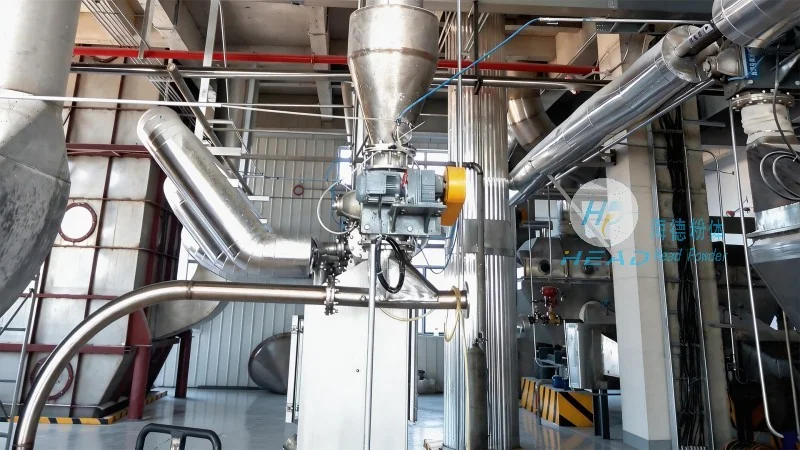
Negative pressure systems, also known as vacuum or suction systems, operate by creating a vacuum in the conveying line, drawing the material into the system. This method is ideal for transporting dry coffee beans and other materials that are sensitive to pressure changes or when the material is heavy or has a tendency to stick to the pipeline walls. The vacuum pulls the coffee beans into the system, ensuring that the material is drawn in without the need for high-pressure air. Negative pressure systems are often used in applications where the material is to be collected from multiple points or when the conveying line is long and has multiple branches. The low-pressure operation reduces the risk of material degradation and is more energy-efficient compared to positive pressure systems, as it only requires the vacuum pump to operate.
Distinguishing Between Positive and Negative Pressure Systems
How do you determine which system is best for your dry coffee processing operation? The primary factors to consider include the material's properties, the conveying distance, the number of transfer points, and the overall system layout. For dry coffee beans, positive pressure systems are generally preferred when the material is light, free-flowing, and the conveying distance is short to moderate. Negative pressure systems are more suitable when the material is heavier, has a tendency to stick to the pipeline, or when the system requires multiple transfer points or long-distance transport. Additionally, the choice depends on the facility's existing infrastructure and the available space for installing the conveying system. For example, a small coffee roasting plant with a short transport distance might opt for a positive pressure system, while a large coffee processing facility with multiple collection points and long conveying lines might prefer a negative pressure system.
Factors to Consider When Choosing a Pneumatic Conveying System for Dry Coffee
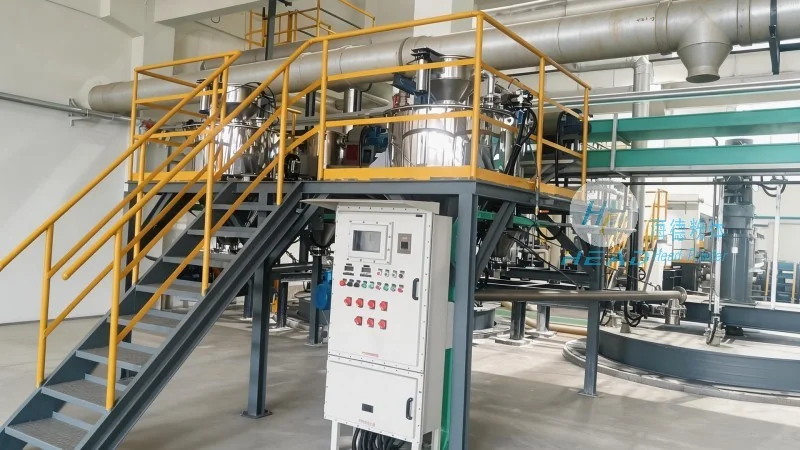
When selecting a pneumatic conveying system for dry coffee, several factors must be evaluated to ensure optimal performance and product quality. First, the material's bulk density and flow characteristics are critical. Dry coffee beans have a relatively low bulk density and are free-flowing, making them suitable for both positive and negative pressure systems. However, if the coffee beans are mixed with other materials or have a higher moisture content, the system's design may need to be adjusted to prevent clogging or material degradation. Second, the conveying distance and number of transfer points affect the system's design. Longer distances or multiple transfer points may require additional components, such as cyclones or separators, to maintain material flow and prevent blockages. Third, the system's energy efficiency and operational costs are important considerations. Positive pressure systems may require more energy due to the high-pressure operation, while negative pressure systems are more energy-efficient but may have higher maintenance costs due to the vacuum pump. Finally, the system's hygiene and maintenance requirements should be considered, as dry coffee processing facilities must adhere to strict food safety standards. Both positive and negative pressure systems can be designed to meet these standards, but the choice may depend on the specific cleaning and maintenance procedures required.
Conclusion and Recommendations
Choosing between positive pressure and negative pressure pneumatic conveying for dry coffee applications requires a careful evaluation of the material's properties, system requirements, and operational constraints. Positive pressure systems are generally more suitable for light, free-flowing materials with short to moderate conveying distances, while negative pressure systems are better for heavier materials or long-distance transport with multiple transfer points. Both systems can be effective, but the choice should be based on the specific needs of the coffee processing operation. It is recommended to consult with a professional pneumatic conveying system provider, such as Shandong HeadPowder Engineering Co., Ltd., to assess your facility's requirements and design a customized system that meets your operational and quality standards. With the right system in place, you can ensure efficient, hygienic, and reliable transport of dry coffee beans, enhancing the overall productivity and quality of your coffee processing operation.




