When it comes to the pneumatic conveying of paddy husk ash, selecting the right system type is crucial for efficient material handling and operational success. Two primary approaches are commonly considered: positive pressure and negative pressure systems. Understanding the distinctions between these two methods is essential for making an informed decision that aligns with specific operational requirements and material characteristics.
Understanding Pneumatic Conveying Systems
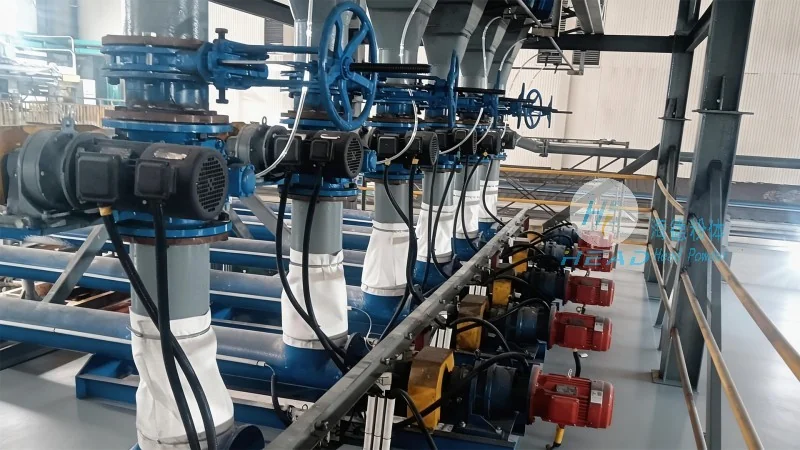
Pneumatic conveying is a technology used to transport bulk materials like paddy husk ash through a pipeline using air or gas as the conveying medium. The choice between positive and negative pressure systems depends on factors such as material properties, distance, volume, and the need for containment or environmental control. Each system operates on a different principle, affecting performance, cost, and maintenance considerations.
Positive Pressure Pneumatic Conveying
Positive pressure systems operate by blowing air or gas into the conveying line, creating a pressure higher than the ambient air pressure. This method pushes the material through the pipeline, making it suitable for applications where the material is to be transported to a higher elevation or over longer distances. The primary advantage of positive pressure is its ability to handle abrasive or corrosive materials effectively, as the high-pressure air can maintain material flow without clogging. Additionally, positive pressure systems are generally more efficient for long-distance conveying, as they can maintain consistent material velocity and reduce the risk of material degradation.
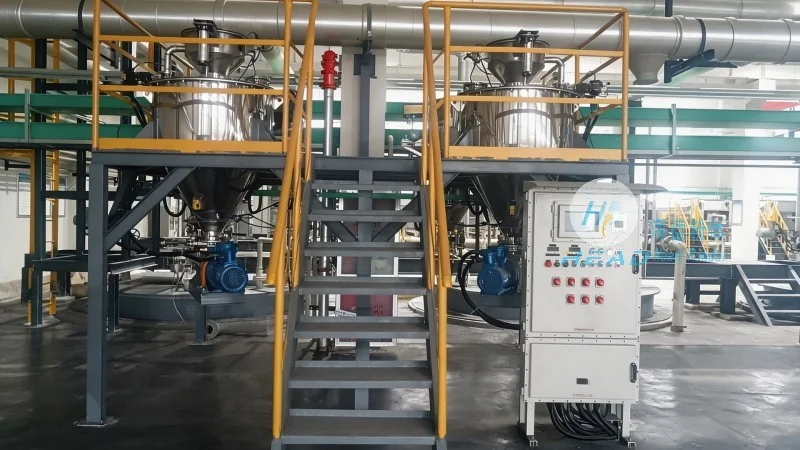
In the context of paddy husk ash, positive pressure systems are often preferred when the ash needs to be transported from a lower point to a higher processing unit, such as a storage silo or a combustion facility. The high-pressure air ensures that the ash moves smoothly through the pipeline, minimizing the risk of blockages caused by the fine particles in the ash. This method also allows for better control over the conveying speed, which is critical for maintaining the quality of the ash during transport.
Negative Pressure Pneumatic Conveying
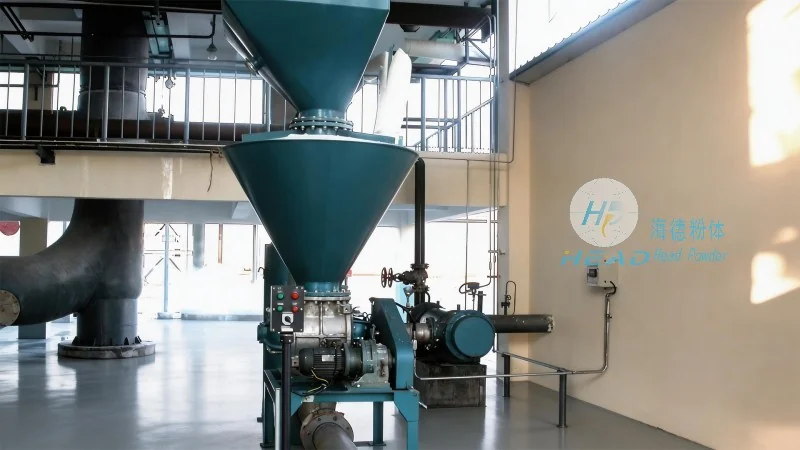
Negative pressure systems, on the other hand, create a vacuum in the conveying line, drawing the material into the pipeline from the source. This approach is ideal for applications where the material is to be transported over shorter distances or where the material is generated at a higher elevation and needs to be moved downward. The main benefit of negative pressure is its ability to handle fine or dusty materials without generating excessive dust emissions, as the system draws the material into the pipeline rather than blowing it out. This makes it suitable for applications where environmental containment is a priority.
For paddy husk ash, negative pressure systems are commonly used when the ash is generated at a processing facility and needs to be collected and transported to a lower storage or treatment area. The vacuum created in the line ensures that the ash is drawn in without releasing dust into the environment, which is particularly important in industrial settings where air quality regulations are strict. However, negative pressure systems may be less efficient for long-distance conveying, as the vacuum can weaken over longer distances, potentially leading to reduced material flow.
Distinguishing Between Positive and Negative Pressure Systems
Differentiating between positive and negative pressure pneumatic conveying systems involves evaluating several key factors. First, consider the material characteristics: positive pressure is better suited for abrasive or high-density materials, while negative pressure is more appropriate for fine or dusty materials that require dust control. Second, assess the conveying distance and elevation changes: positive pressure is ideal for long distances or upward transport, whereas negative pressure is better for short distances or downward transport. Third, evaluate operational requirements: positive pressure systems offer better control over material flow and velocity, while negative pressure systems excel in environmental containment and dust management.
Factors to Consider When Choosing a System
When selecting between positive and negative pressure pneumatic conveying for paddy husk ash, several factors must be taken into account. The first consideration is the material's physical properties, including particle size, density, and moisture content. Paddy husk ash typically consists of fine particles, which may require a system that can handle dust effectively. The second factor is the distance and elevation changes between the source and destination. If the ash needs to be transported over a long distance or to a higher elevation, a positive pressure system may be more suitable. Conversely, if the ash is generated at a higher point and needs to be moved downward over a short distance, a negative pressure system could be more efficient.
Operational costs and maintenance requirements are also critical factors. Positive pressure systems generally require more robust components, such as high-pressure blowers and stronger pipelines, which can increase initial investment and maintenance costs. Negative pressure systems, while potentially less expensive to install, may require more frequent filter changes and vacuum pump maintenance due to the dust-laden air they handle. Environmental regulations and safety considerations should also be evaluated. If the operation is in an area with strict air quality standards, a negative pressure system may be preferred to minimize dust emissions. However, if the facility requires tight containment and the material is abrasive, a positive pressure system with proper dust collection may be necessary.
Conclusion
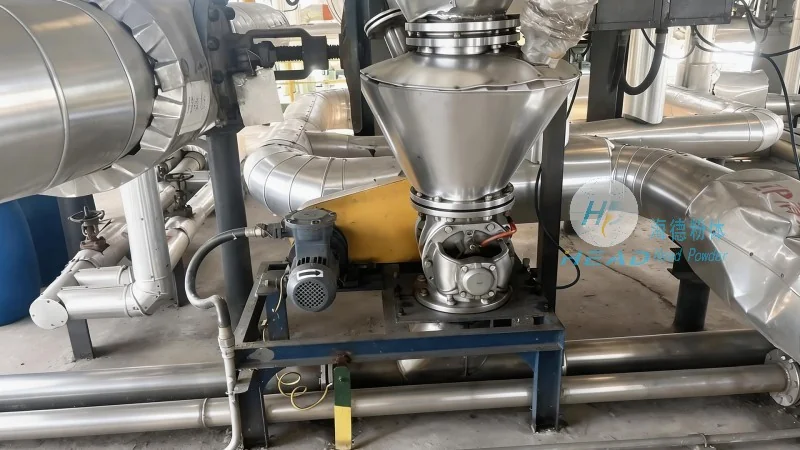
Choosing between positive and negative pressure pneumatic conveying for paddy husk ash depends on a careful analysis of operational needs, material characteristics, and environmental requirements. Positive pressure systems offer advantages in long-distance and upward transport, with better control over material flow and handling of abrasive materials. Negative pressure systems excel in dust control and are suitable for shorter distances or downward transport of fine materials. By understanding the distinctions between these two approaches and evaluating the specific requirements of the application, businesses can select the most appropriate pneumatic conveying system to ensure efficient and reliable material handling.
Shandong HeadPowder Engineering Co., Ltd., a leading provider of pneumatic conveying solutions, specializes in designing and manufacturing systems tailored to the unique needs of paddy husk ash processing. With years of experience in the industry, the company offers customized solutions that balance efficiency, cost-effectiveness, and environmental compliance. Based in Shandong, China, HeadPowder Engineering leverages advanced technology and engineering expertise to deliver high-quality pneumatic conveying systems that meet the demands of modern industrial applications.




