Pneumatic conveying is a critical technology in the food processing industry, especially when handling fine powders like corn flour. The choice between positive pressure and negative pressure systems significantly impacts operational efficiency, cost, and product quality. Understanding the fundamental differences and how to select the appropriate system is essential for optimizing production processes. This article explores the key aspects of positive and negative pressure pneumatic conveying, focusing on their applications in corn flour handling, and provides insights into how to make an informed decision.
Understanding Positive Pressure Pneumatic Conveying
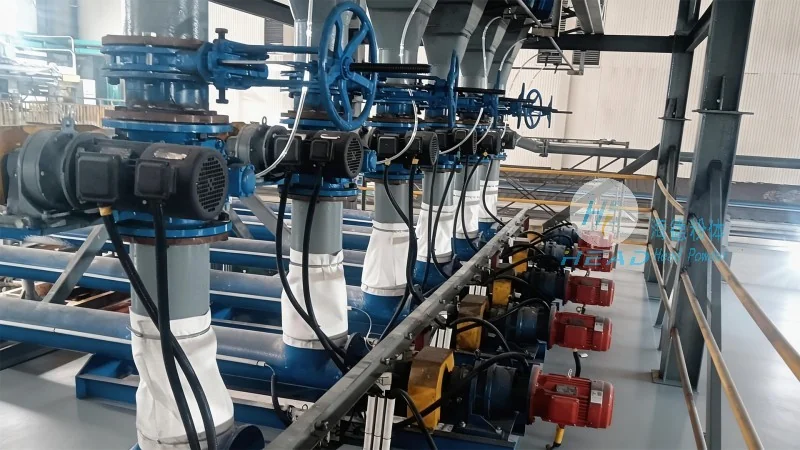
Positive pressure systems operate by blowing air or gas into the conveying line, creating a pressure higher than the ambient air. This method propels the material forward through the pipeline. For corn flour, positive pressure is often preferred when dealing with long distances, multiple transfer points, or when the material needs to be conveyed to a higher elevation. The primary advantage is that the system can handle a wide range of materials, including fine powders, without the risk of clogging or degradation. Additionally, positive pressure systems are generally more robust and easier to maintain, as they do not require vacuum pumps or complex vacuum management. This makes them suitable for large-scale operations where reliability and efficiency are paramount.
Key Features of Positive Pressure Conveying for Corn Flour
When selecting a positive pressure system for corn flour, several factors must be considered. The system's capacity and pressure requirements are critical. For instance, a high-capacity system might require higher pressure to ensure consistent flow. The material's properties, such as moisture content and particle size, also influence the choice. Corn flour, being a fine powder, is prone to static electricity, which can affect flow. Positive pressure systems often incorporate anti-static measures, such as grounding or ionizing equipment, to prevent material buildup and ensure smooth operation. Furthermore, the system's design, including the type of airlock and filter, plays a crucial role in maintaining product purity and preventing contamination. A well-designed positive pressure system can effectively handle corn flour without compromising its quality, making it an ideal choice for many food processing applications.
Exploring Negative Pressure Pneumatic Conveying
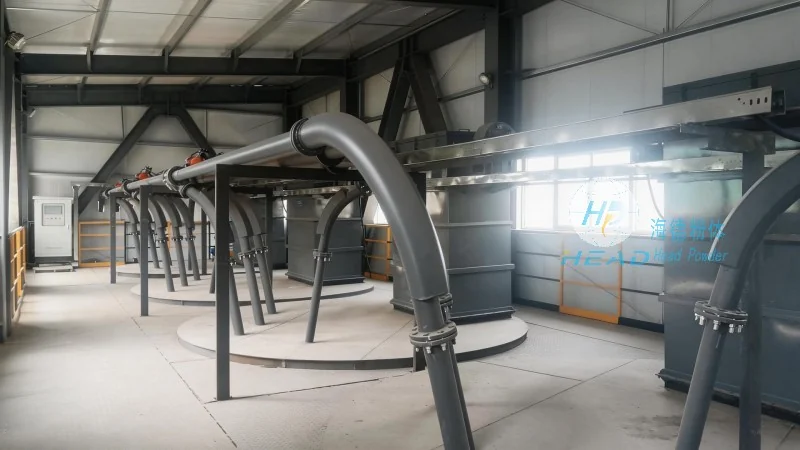
Negative pressure systems, on the other hand, create a vacuum by drawing air and material from the conveying line. This method is typically used for shorter distances or when the material needs to be conveyed from a higher to a lower elevation. The main advantage of negative pressure is its ability to handle materials that are sensitive to pressure changes or those that may be contaminated by external air. For corn flour, negative pressure is often used in applications where the material is sourced from a silo or hopper and needs to be transferred to a processing unit. The system's design focuses on maintaining a clean environment, as the material is drawn into the pipeline without exposing it to ambient air. This is particularly important when dealing with food-grade materials, as it minimizes the risk of contamination from dust or other particles.
Distinguishing Between Positive and Negative Pressure Systems
How can you tell which system is right for your corn flour handling needs? The primary factor is the application's requirements, specifically the distance and elevation changes. Positive pressure is ideal for long-distance or multi-point transfers, while negative pressure is better suited for shorter distances or when the material is being drawn from a higher to a lower level. Another key consideration is the material's properties. Corn flour, being a fine powder, may require a system that can handle static electricity and prevent clogging. Positive pressure systems are generally more effective in these scenarios due to their ability to maintain consistent flow and pressure. However, negative pressure systems offer advantages in terms of maintaining a clean environment, which is crucial for food processing. The choice ultimately depends on balancing operational efficiency with product quality and safety.
Factors to Consider When Choosing a Pneumatic Conveying System for Corn Flour
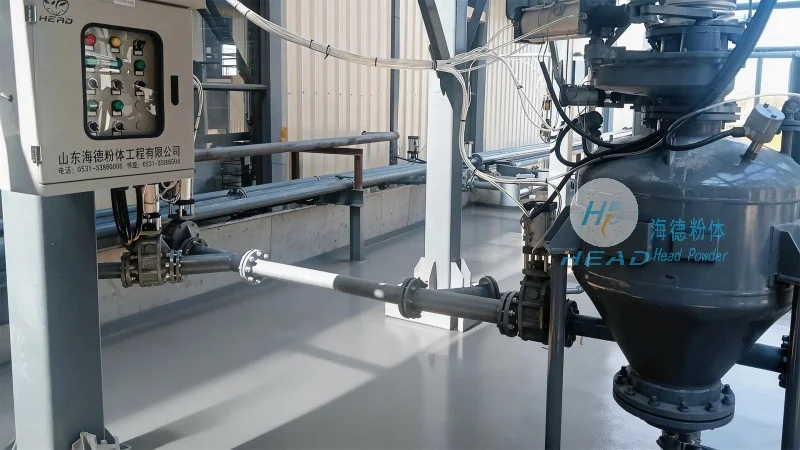
When deciding between positive and negative pressure systems for corn flour, several factors must be evaluated. First, the distance and elevation changes determine the system's type. For example, if the corn flour needs to be conveyed over a long distance or to a higher elevation, a positive pressure system is more suitable. Conversely, if the transfer is short and involves moving from a higher to a lower level, negative pressure may be preferred. Second, the material's characteristics, such as moisture content and particle size, influence the system's design. Corn flour's fine nature means that the system must be equipped with anti-static features to prevent material buildup. Third, the system's capacity and pressure requirements must align with the production volume. A high-capacity system will require higher pressure to ensure consistent flow. Fourth, the maintenance and operational costs are important considerations. Positive pressure systems are generally more robust and require less maintenance compared to negative pressure systems, which may need more frequent cleaning and filter changes due to the vacuum environment. By carefully evaluating these factors, you can select the most appropriate pneumatic conveying system for your corn flour handling needs.
Conclusion: Making the Right Choice for Corn Flour Pneumatic Conveying
Choosing between positive pressure and negative pressure pneumatic conveying for corn flour requires a thorough understanding of the system's capabilities and the specific requirements of your operation. Positive pressure systems offer advantages in terms of long-distance and multi-point transfers, while negative pressure systems excel in maintaining a clean environment and handling materials that are sensitive to pressure changes. By considering factors such as distance, elevation, material properties, and operational costs, you can make an informed decision that optimizes efficiency and product quality. For businesses in the food processing industry, selecting the right pneumatic conveying system is a critical step in ensuring smooth operations and maintaining high standards of product purity. Whether you opt for positive or negative pressure, the goal is to achieve reliable, efficient, and safe material handling that meets the demands of modern production.




