When it comes to transporting alumina particles via pneumatic conveying systems, the choice between positive pressure and negative pressure methods is a critical decision that impacts system efficiency, cost, and operational safety. As a leading provider based in Shandong, China, Shandong HeadPowder Engineering Co., Ltd. understands the nuances of each approach and offers expert guidance to help clients select the most suitable conveying method for their specific needs.
Understanding Pneumatic Conveying Basics
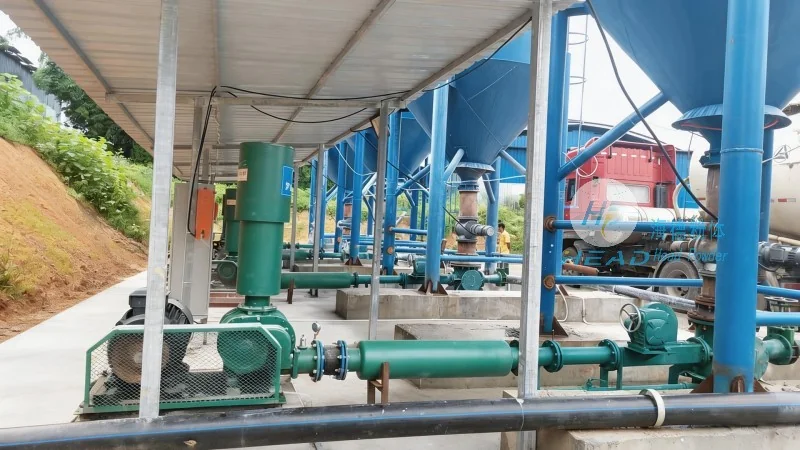
Pneumatic conveying is a technology that uses air or gas to transport bulk materials like alumina particles through a pipeline. The two primary methods are positive pressure and negative pressure systems. Positive pressure systems blow air into the conveying line, typically using a blower or compressor at the inlet. This method is often preferred for short to medium-distance transport and when the material is prone to caking or requires gentle handling. The pressure differential pushes the material forward, ensuring consistent flow and minimizing blockages. In contrast, negative pressure conveying creates a vacuum at the inlet, pulling material into the line. This approach is suitable for longer distances and when the material is less abrasive or when the system needs to handle dust or fumes.
Differentiating Positive Pressure and Negative Pressure Conveying
Positive pressure conveying involves forcing air through the system, which can lead to higher energy consumption but offers better control over material flow, especially for cohesive or fine particles. The system typically includes a blower at the inlet and a receiver at the discharge end. Negative pressure systems, on the other hand, use a vacuum pump or fan at the receiver to draw material from the inlet. This method is more energy-efficient for long-distance transport but may require more robust dust collection equipment to prevent air leakage and maintain system integrity.
Key Factors Influencing the Choice
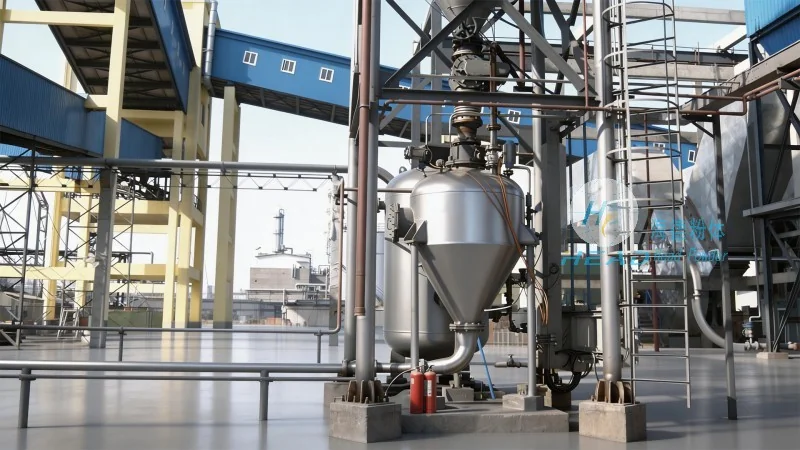
Several key factors must be considered when deciding between positive and negative pressure for alumina particle transport. Material characteristics, such as particle size, density, and moisture content, play a significant role. For example, fine alumina powders may require negative pressure to prevent dust dispersion and maintain air quality, while larger, denser particles might benefit from positive pressure for better flow control and reduced risk of clogging. System layout and distance are also critical. Positive pressure is generally more efficient for shorter runs (typically up to 100 meters), as the pressure drop is manageable with less energy input. Negative pressure systems are more suitable for longer distances (up to several hundred meters) where the pressure differential can be maintained effectively. Additionally, operational considerations like maintenance, safety, and cost must be evaluated. Positive pressure systems may require more robust equipment and higher energy input, whereas negative pressure systems can be more complex to maintain due to the need for effective dust collection and filtration to prevent air contamination.
Practical Applications and Case Studies
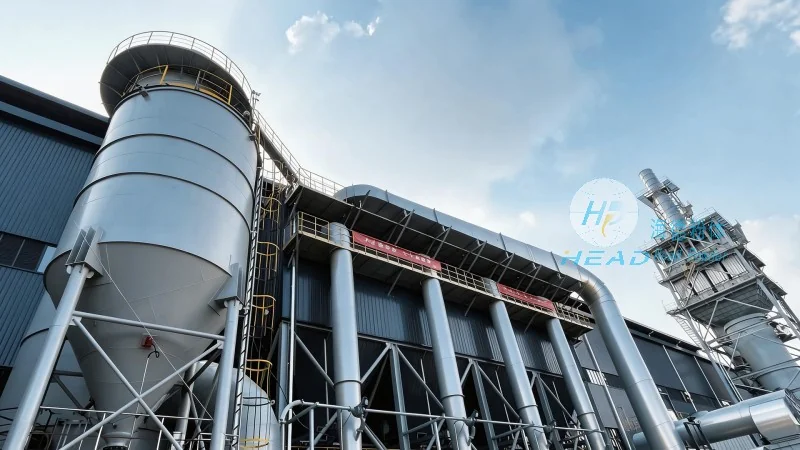
Shandong HeadPowder Engineering Co., Ltd. has extensive experience in implementing both positive and negative pressure systems for alumina processing facilities. For instance, a client in China required a system to transport fine alumina from a storage silo to a processing plant over a distance of 200 meters. The company recommended a negative pressure system due to the fine particle size and the need to minimize dust emissions. The system successfully maintained a consistent flow rate, with minimal maintenance requirements and effective dust collection at the inlet. Another project involved transporting larger alumina chunks over a shorter distance of 50 meters, where a positive pressure system was chosen for its simplicity and lower initial cost. The system operated efficiently, with the positive pressure ensuring smooth material movement without blockages, and the client reported reduced downtime and operational costs.
Conclusion and Recommendations
Choosing between positive pressure and negative pressure for alumina particle pneumatic conveying requires a thorough analysis of material properties, system requirements, and operational goals. Shandong HeadPowder Engineering Co., Ltd. provides comprehensive solutions, including system design, equipment selection, and installation services, tailored to each client's unique needs. By understanding the differences and benefits of each method, clients can optimize their conveying systems for improved performance, reduced costs, and enhanced safety. Whether you are dealing with fine or coarse alumina particles, short or long transport distances, HeadPowder offers expert advice and reliable equipment to ensure your pneumatic conveying system operates at its best. The company's expertise in both positive and negative pressure systems allows it to provide customized solutions that meet the specific demands of alumina processing industries, ensuring efficient material handling and operational excellence.




