When it comes to transporting glass beads via pneumatic systems, the choice between positive pressure and negative pressure conveying methods is a critical decision that impacts efficiency, cost, and operational safety. Understanding the fundamental differences and appropriate applications of each method is essential for optimizing material handling processes in industrial settings. This article aims to provide a clear comparison of positive and negative pressure systems, helping you make an informed choice based on your specific needs.
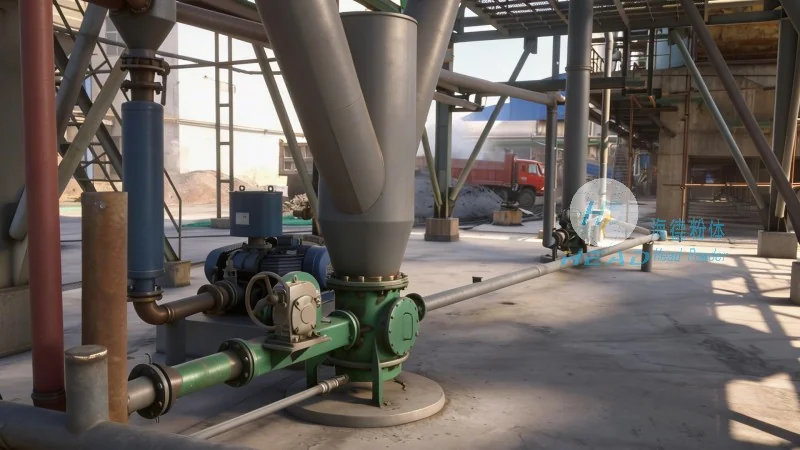
Understanding Pneumatic Conveying Basics
Pneumatic conveying is a method of transporting bulk materials through a pipeline using air or gas as the conveying medium. It is widely used in industries such as pharmaceuticals, food processing, and chemical manufacturing due to its ability to handle delicate or abrasive materials like glass beads. The two primary types of pneumatic conveying systems are positive pressure and negative pressure, each with distinct characteristics and operational principles.
Positive Pressure Conveying Systems
Positive pressure systems operate by blowing air or gas into the conveying line, creating a pressure higher than the ambient air pressure. This pressurized air propels the material forward through the pipeline. In the context of glass bead transport, positive pressure systems are often preferred for applications requiring high material throughput and the ability to handle long distances or multiple transfer points. The system typically includes a blower or compressor at the inlet, a hopper for material storage, and a discharge point at the destination. The continuous flow of pressurized air ensures that the material is consistently moved through the pipeline, minimizing the risk of blockages or material degradation.
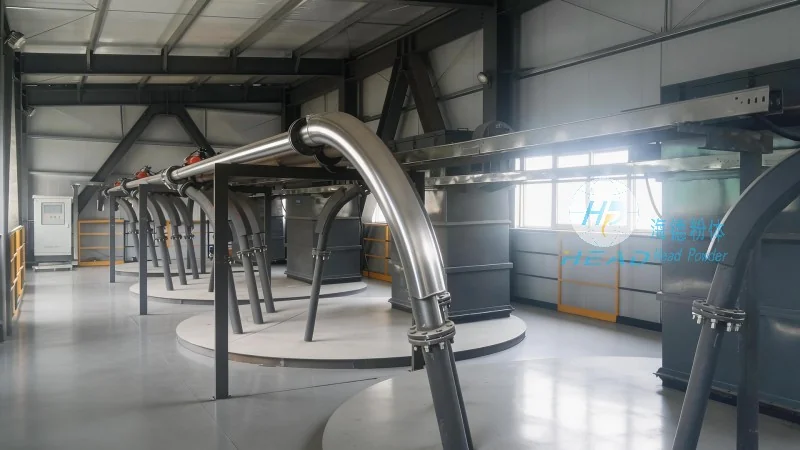
Key advantages of positive pressure systems include their ability to handle abrasive materials like glass beads without causing excessive wear on the system components. The pressurized environment also helps maintain the integrity of the material, preventing breakage or contamination. Additionally, positive pressure systems are generally more suitable for applications where the material needs to be discharged into a controlled environment, such as a storage silo or processing unit. However, they may require more maintenance due to the higher pressure and the need for robust sealing mechanisms to prevent air leakage.
Negative Pressure Conveying Systems
Negative pressure systems, also known as vacuum systems, operate by creating a vacuum in the conveying line, which draws the material from the source into the pipeline. The system uses a vacuum pump to remove air from the line, creating a pressure lower than the ambient air pressure. This suction effect pulls the material through the pipeline to the discharge point. Negative pressure systems are often used for shorter distances and when the material needs to be transferred from a low-level source, such as a hopper or a container on the floor. They are particularly effective for handling materials that are light or have low bulk density, as the vacuum helps maintain the material's flow characteristics.
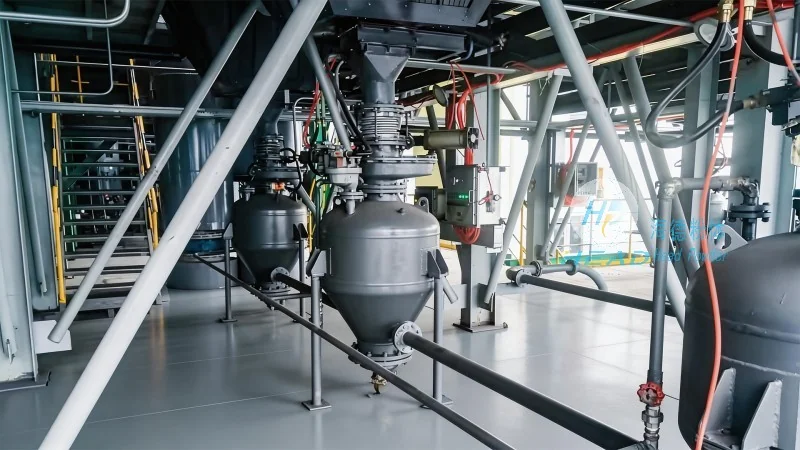
Advantages of negative pressure systems include lower initial costs compared to positive pressure systems, as they typically require less powerful equipment and simpler piping. The vacuum environment also reduces the risk of dust emissions, making them suitable for applications where air quality is a concern. However, negative pressure systems may be less efficient for handling abrasive materials like glass beads over long distances, as the vacuum can lead to material degradation or blockages if the system is not properly designed. Additionally, they may require more frequent cleaning to prevent material buildup in the pipeline.
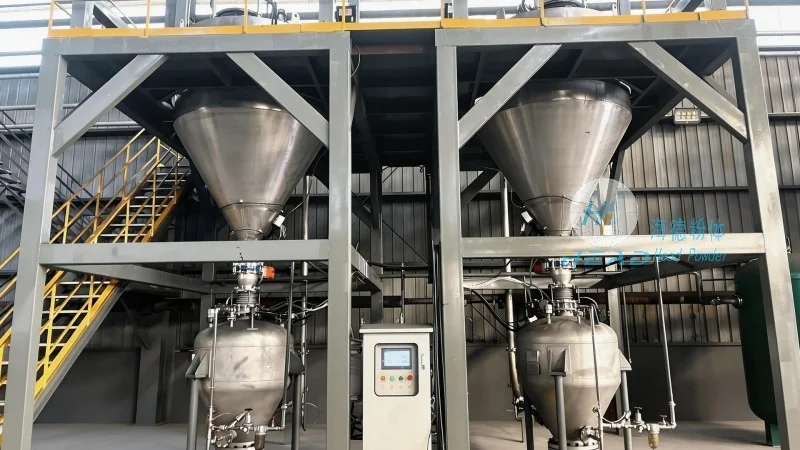
Distinguishing Between Positive and Negative Pressure Systems
How can you determine which system is right for your glass bead pneumatic conveying application? The decision often depends on several factors, including the distance of material transport, the volume of material to be handled, the nature of the material (e.g., abrasive, delicate), and the operational environment. Here are some key considerations:
- Distance and Throughput: For long-distance or high-throughput applications, positive pressure systems are generally more efficient. They can maintain consistent material flow over extended distances without significant pressure loss. Negative pressure systems are better suited for shorter distances or lower throughput requirements.
- Material Characteristics: Abrasive materials like glass beads are better handled by positive pressure systems due to the pressurized environment, which reduces wear on components and maintains material integrity. Negative pressure systems may cause more wear and material degradation over time.
- Environmental and Safety Considerations: If dust control is a priority, negative pressure systems may be preferred as they create a vacuum that reduces emissions. However, positive pressure systems require proper sealing to prevent air leakage and maintain safety standards.
- Cost and Maintenance: Initial costs for negative pressure systems are often lower, but long-term maintenance costs may be higher due to the need for more frequent cleaning and component replacement. Positive pressure systems may have higher initial costs but lower long-term maintenance due to robust design.
Conclusion
Choosing between positive pressure and negative pressure for glass bead pneumatic conveying requires a careful evaluation of your specific operational needs. Positive pressure systems offer higher efficiency and better material handling for long distances and high throughput, while negative pressure systems are more cost-effective and suitable for shorter distances or applications where dust control is critical. By understanding the differences in operational principles, advantages, and limitations of each system, you can select the most appropriate method to optimize your material handling processes. Whether you opt for positive or negative pressure, the key is to ensure that the system is properly designed and maintained to meet the demands of your glass bead transport requirements.




