HeadPowder, a leading provider of engineering solutions in the agricultural processing sector, specializes in advanced pneumatic conveying systems tailored for the efficient handling of beans. This article delves into the technical nuances of pneumatic conveying, focusing on the two primary modes—positive pressure and negative pressure—exploring their operational principles, advantages, and practical applications in bean processing operations.
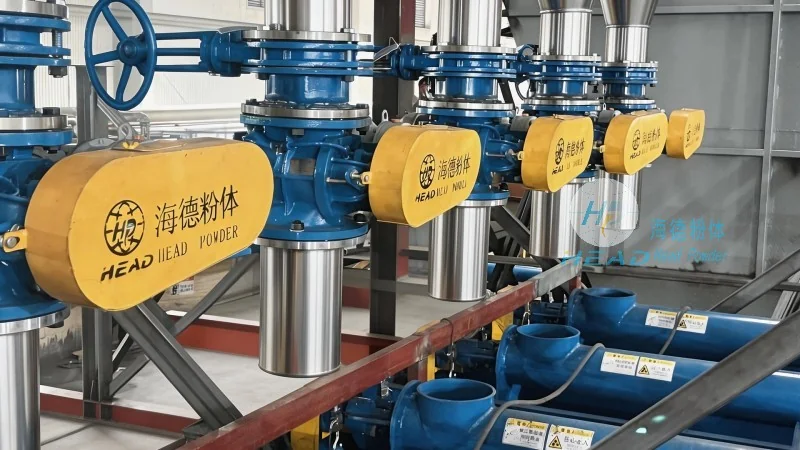
The core of pneumatic conveying lies in the use of air to transport bulk materials like beans through a pipeline system. This method offers significant advantages over traditional mechanical conveying, including reduced contamination risk, lower maintenance requirements, and the ability to handle delicate or high-value products without damage. For bean processors, selecting the appropriate conveying mode is critical to optimizing production efficiency and product quality.
Understanding Positive Pressure Pneumatic Conveying
Positive pressure pneumatic conveying operates by generating high-pressure air at the material inlet, typically using a positive displacement blower or a rotary lobe pump. The pressurized air forces the beans to move through the pipeline, often in a dense phase or dilute phase depending on the system design. This mode is particularly effective for conveying beans over long distances or through complex network layouts, as the high pressure ensures consistent material flow and prevents blockages.
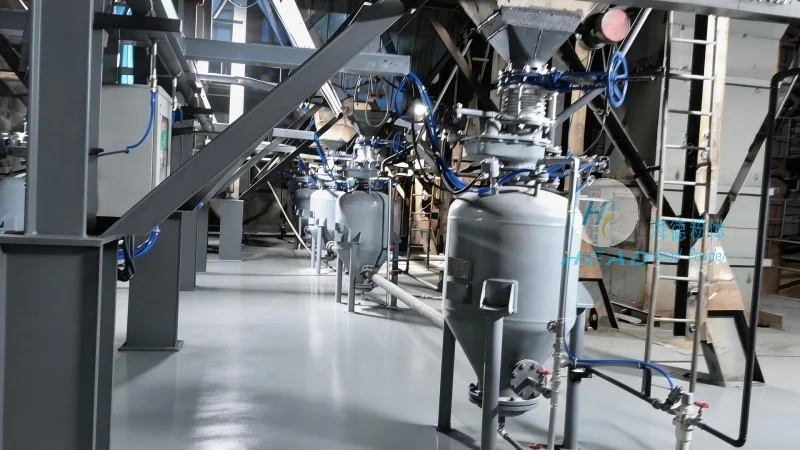
Key advantages of positive pressure systems include their ability to handle abrasive or sticky materials, such as certain bean varieties, without excessive wear on components. Additionally, positive pressure systems can operate with higher air velocities, which is beneficial for transporting beans with high moisture content or in environments where dust control is a priority. However, they require robust sealing and pressure containment to prevent air leaks and maintain system efficiency.
Exploring Negative Pressure Pneumatic Conveying
Negative pressure pneumatic conveying, also known as vacuum conveying, works by creating a low-pressure zone at the material outlet using a vacuum pump. The atmospheric pressure difference draws the beans into the pipeline, where they are carried by the induced airflow. This mode is ideal for applications requiring gentle handling of delicate beans, as the lower air velocities and reduced impact on the material minimize the risk of bruising or damage.
One of the primary benefits of negative pressure systems is their suitability for short-distance conveying or for transporting beans from elevated sources to lower destinations. They are also effective in environments where dust containment is essential, as the vacuum draws material into the system rather than releasing it into the air. However, negative pressure systems may face challenges with material buildup in the pipeline, especially with high-density or sticky beans, and require regular maintenance to prevent clogging.
Comparative Analysis: Positive vs. Negative Pressure Conveying
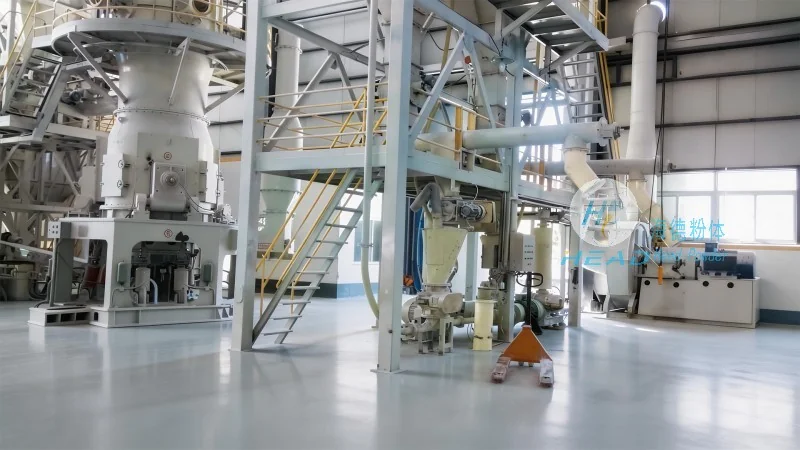
When evaluating the two modes for bean processing, several factors must be considered to determine the most suitable option. Positive pressure systems excel in scenarios requiring high throughput, long-distance transport, or the handling of abrasive materials. They offer greater control over material flow and are less prone to clogging due to the high air pressure. Conversely, negative pressure systems are preferred for applications demanding gentle handling, short distances, or stringent dust control requirements. They are also more cost-effective for small-scale operations or when the initial investment in high-pressure components is undesirable.
The choice between positive and negative pressure pneumatic conveying for beans ultimately depends on the specific processing needs, including the bean type, processing scale, and operational environment. HeadPowder’s engineering expertise allows for the design and implementation of customized systems that align with these requirements, ensuring optimal performance and efficiency.
HeadPowder: Your Partner in Bean Pneumatic Conveying Solutions
Shandong HeadPowder Engineering Co., Ltd., based in Shandong, China, is committed to delivering innovative and reliable pneumatic conveying solutions for the agricultural industry. With years of experience in designing and manufacturing advanced conveying systems, HeadPowder understands the unique challenges of bean processing and offers tailored solutions that enhance productivity and product quality.
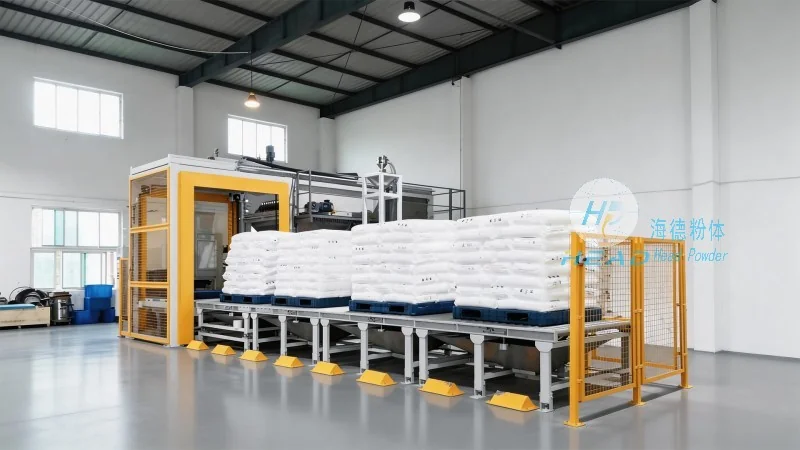
Our team of engineers works closely with clients to assess their specific operational needs, from material characteristics to production capacity, and develops customized systems that integrate positive or negative pressure modes as appropriate. Whether upgrading an existing bean processing line or designing a new facility, HeadPowder provides comprehensive support, from initial consultation to system installation and ongoing maintenance.
By leveraging cutting-edge technology and adherence to industry standards, HeadPowder ensures that its pneumatic conveying systems meet the highest performance and safety requirements. Our commitment to quality and customer satisfaction has made us a trusted partner for bean processors worldwide, helping them achieve efficient, cost-effective, and sustainable operations.




