

Analysis of Dye Pneumatic Conveying Technology: Comparison of Positive and Negative Pressure Modes
HeadPowder, a leading enterprise in the field of pneumatic conveying technology, provides a detailed analysis of dye handling solutions. This article focuses on the comparison between positive and negative pressure modes in dye pneumatic conveying systems, helping clients understand the technical differences and select the most suitable conveying method for their specific dye processing needs.
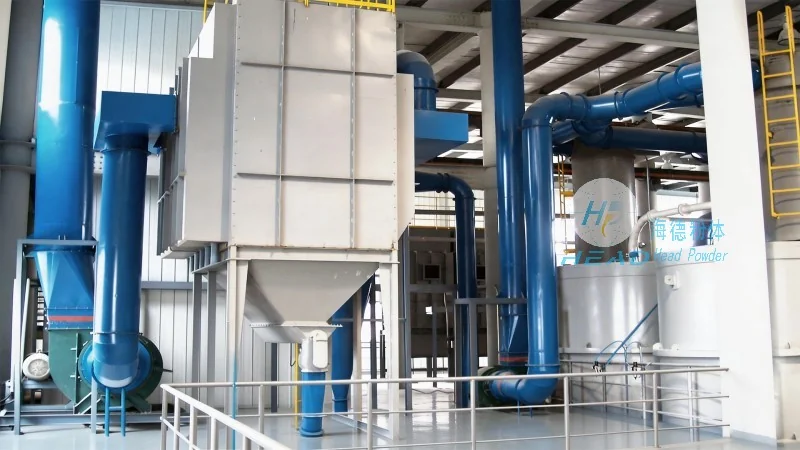
Introduction to Dye Pneumatic Conveying
Pneumatic conveying is a widely used technique for transporting dry powders, including dyes, in various industrial applications. It offers advantages such as low maintenance, ability to handle hazardous materials, and flexibility in system design. The two primary modes of pneumatic conveying are positive pressure and negative pressure systems, each with distinct operational principles and applications.
Positive Pressure Pneumatic Conveying System
Positive pressure systems operate by forcing air or a carrier gas through the conveying line, creating a pressure higher than the ambient air pressure. The dye powder is drawn into the system by the pressure differential and transported to the destination. This mode is particularly effective for long-distance and high-capacity conveying, as it can maintain consistent flow rates and handle abrasive or sticky materials.
Key advantages of positive pressure systems include high conveying capacity, ability to handle difficult-to-convey materials, and reduced risk of product contamination due to the sealed system. However, they may require more energy input and can be more complex to install and maintain compared to negative pressure systems. Additionally, the system must be properly sealed to prevent dust emissions and ensure safety compliance.
Negative Pressure Pneumatic Conveying System
Negative pressure systems, also known as vacuum conveying, operate by creating a vacuum in the conveying line, which draws the dye powder into the system. The material is then transported to the collection point under the pressure difference. This mode is ideal for short-distance conveying and handling fine powders that are prone to dusting or require gentle handling.
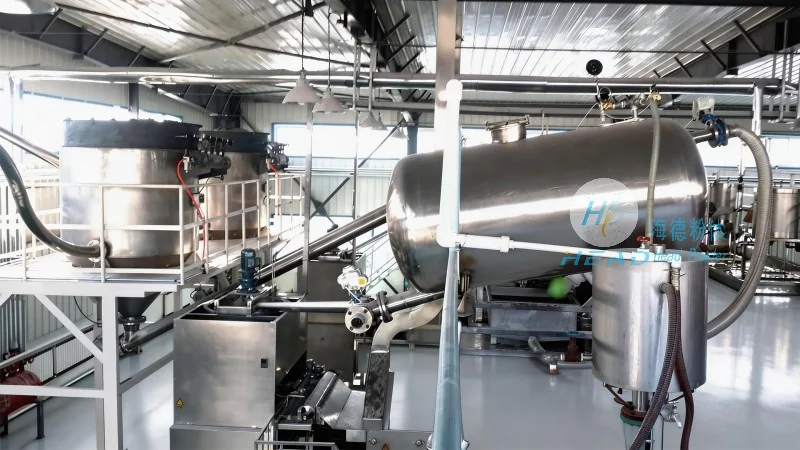
Advantages of negative pressure systems include lower energy consumption, suitability for handling sensitive or hygroscopic materials, and the ability to convey materials from multiple sources into a single collection point. However, they may have lower conveying capacities compared to positive pressure systems and can be more susceptible to clogging or blockages in the vacuum line. Proper filtration and maintenance are crucial to ensure efficient operation.
Comparison of Positive and Negative Pressure Modes
When selecting between positive and negative pressure pneumatic conveying for dye applications, several factors must be considered. The distance between the source and destination, the quantity of dye to be conveyed, the characteristics of the dye powder (e.g., particle size, moisture content, and abrasiveness), and the required system complexity are all critical factors.
For long-distance or high-volume dye transportation, positive pressure systems are often preferred due to their higher capacity and ability to handle challenging materials. They are commonly used in large-scale dye manufacturing plants where bulk handling is essential. In contrast, negative pressure systems are more suitable for short-distance conveying, such as moving dyes from storage silos to processing equipment, or for handling fine powders that require gentle handling to prevent degradation.
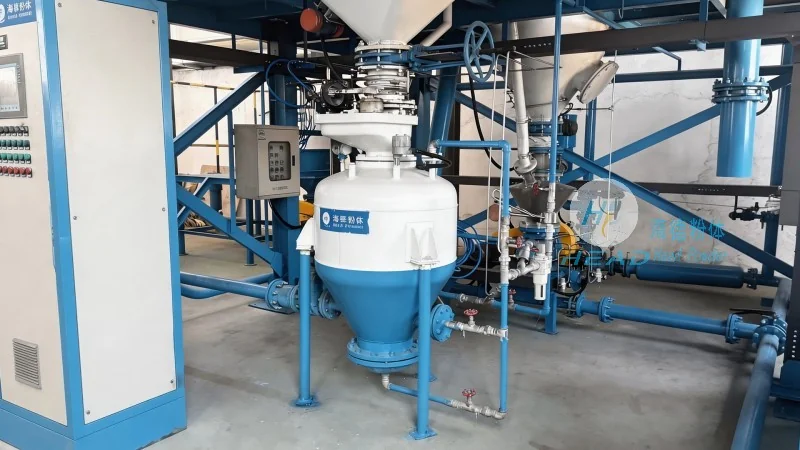
The choice of system also depends on safety and environmental considerations. Positive pressure systems may require additional filtration and exhaust systems to control dust emissions, while negative pressure systems can help contain dust within the system, reducing external emissions. However, both systems must comply with local regulations regarding dust control and occupational safety.
HeadPowder's Expertise in Dye Pneumatic Conveying
Shandong HeadPowder Engineering Co., Ltd., with its headquarters in Shandong, China, specializes in designing and manufacturing customized pneumatic conveying solutions tailored to the needs of the dye industry. The company leverages advanced engineering and years of experience to develop systems that optimize efficiency, reduce operational costs, and ensure product quality.
HeadPowder's team of experts works closely with clients to assess their specific dye handling requirements, including the type of dye, processing scale, and operational environment. By understanding these factors, the company can recommend the most appropriate conveying mode—whether positive or negative pressure—and design a system that meets the client's performance and safety standards.
The company's solutions include not only the selection of the right pressure mode but also the integration of components such as feeders, cyclones, filters, and control systems. This comprehensive approach ensures that the entire conveying process is efficient, reliable, and compliant with industry regulations. HeadPowder's commitment to quality and customer satisfaction has made it a trusted partner for dye manufacturers seeking advanced pneumatic conveying technology.