When handling wet ammonium nitrate, selecting the appropriate pneumatic conveying method is crucial for ensuring efficiency, safety, and operational reliability. Two primary approaches are widely used in industrial applications: positive pressure conveying and negative pressure conveying. This analysis provides a detailed comparison of these two methods, highlighting their mechanisms, advantages, and practical considerations.
About HeadPowder Engineering
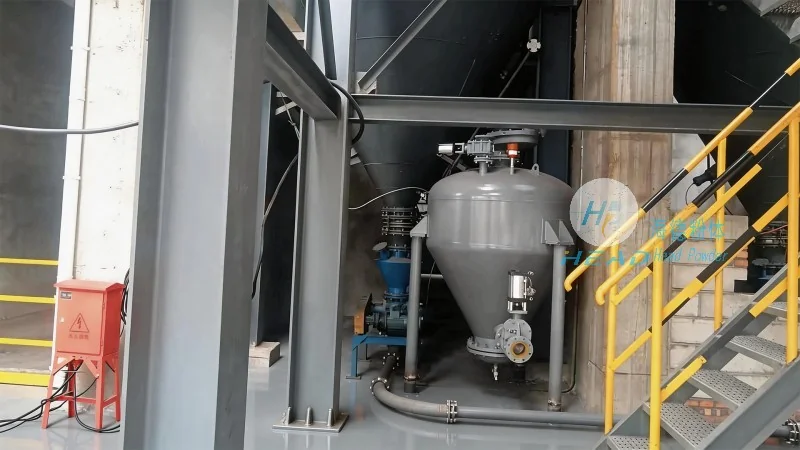
Shandong HeadPowder Engineering Co., Ltd., based in Shandong, China, specializes in engineering solutions for material handling and processing. With a focus on innovative and efficient systems, HeadPowder provides tailored pneumatic conveying solutions for various industrial needs, including the safe and effective transport of wet ammonium nitrate.
Positive Pressure Conveying for Wet Ammonium Nitrate
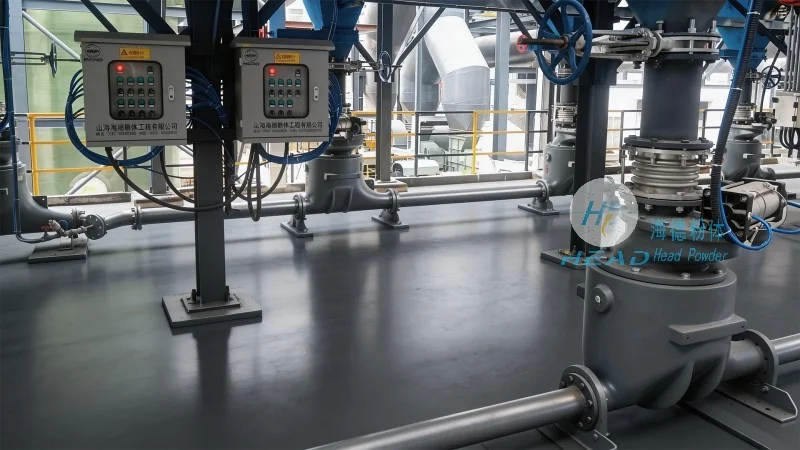
Positive pressure conveying operates by blowing air or gas into the material stream, creating a positive pressure within the conveying line. This method is particularly effective for transporting wet ammonium nitrate as it can handle materials with higher moisture content and can be used for both short and long-distance transport. The system typically includes a blower, a hopper, and a conveying pipe, with the air pressure ensuring the material moves through the system. A key advantage of positive pressure systems is their ability to handle abrasive materials and maintain a consistent flow rate, which is essential for processes requiring precise material delivery.
Negative Pressure Conveying for Wet Ammonium Nitrate
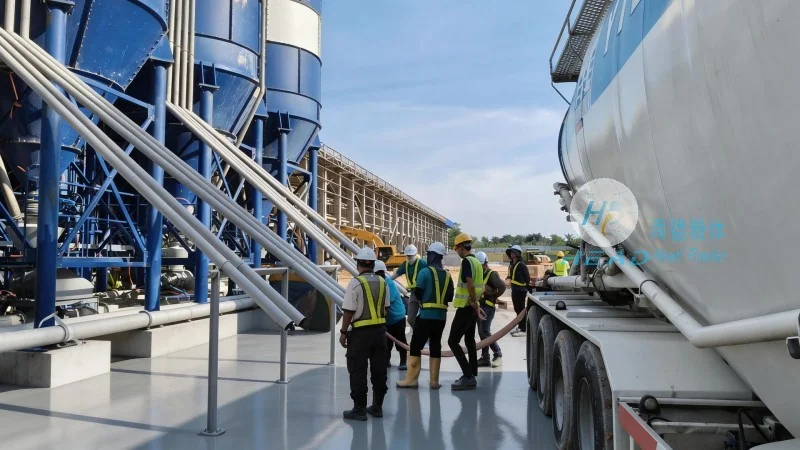
Negative pressure conveying, also known as suction conveying, works by creating a vacuum in the conveying line, drawing material from the source into the system. This method is often preferred for applications where the material is to be collected from a dispersed or open area, as it can capture material without direct contact. For wet ammonium nitrate, negative pressure systems are suitable for short to medium distances and can handle materials with lower moisture levels. However, they may require more maintenance due to the higher wear on components from the abrasive nature of the material and the need for efficient filtration to prevent dust accumulation.
Comparison of Positive and Negative Pressure Conveying
When comparing positive and negative pressure conveying for wet ammonium nitrate, several factors must be considered. Positive pressure systems generally offer higher conveying capacities and are more suitable for long-distance transport, making them ideal for large-scale operations. They also provide better control over the material flow, reducing the risk of blockages and ensuring consistent performance. On the other hand, negative pressure systems are more cost-effective for short distances and can be more flexible in terms of layout, as they do not require a continuous positive pressure source. However, they may have lower conveying efficiency and require more frequent maintenance due to the vacuum-related wear on components.
Choosing the Right Conveying Method
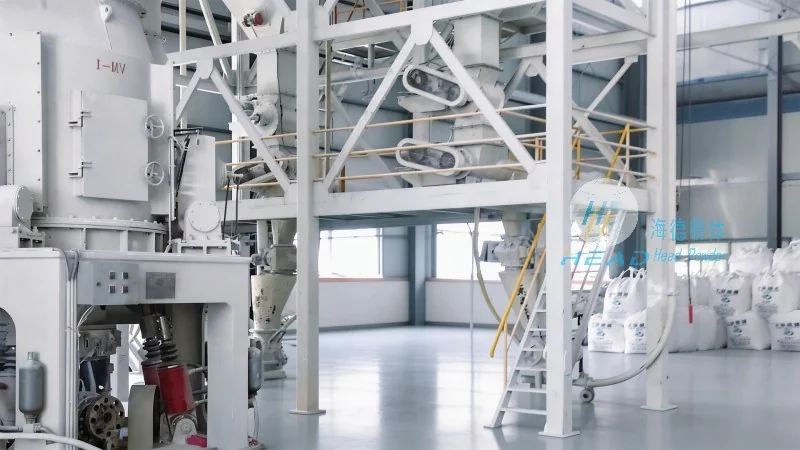
The choice between positive and negative pressure conveying for wet ammonium nitrate depends on several factors, including the distance of transport, the moisture content of the material, the required flow rate, and the overall system layout. For long-distance or high-capacity applications, positive pressure conveying is often the preferred choice due to its efficiency and reliability. For shorter distances or applications where flexibility is key, negative pressure conveying may be more suitable. Additionally, the specific characteristics of the wet ammonium nitrate, such as its particle size and abrasiveness, should be evaluated to determine the most appropriate system. HeadPowder Engineering offers customized solutions that consider these factors, ensuring optimal performance and safety for each application.




