HeadPowder, a leading manufacturer based in Shandong, China, specializes in advanced pneumatic conveying systems tailored for carbon powder transport. This article explores the different types of pneumatic conveying systems and their practical applications in the carbon powder industry, highlighting the technological advancements and operational efficiencies offered by these systems.
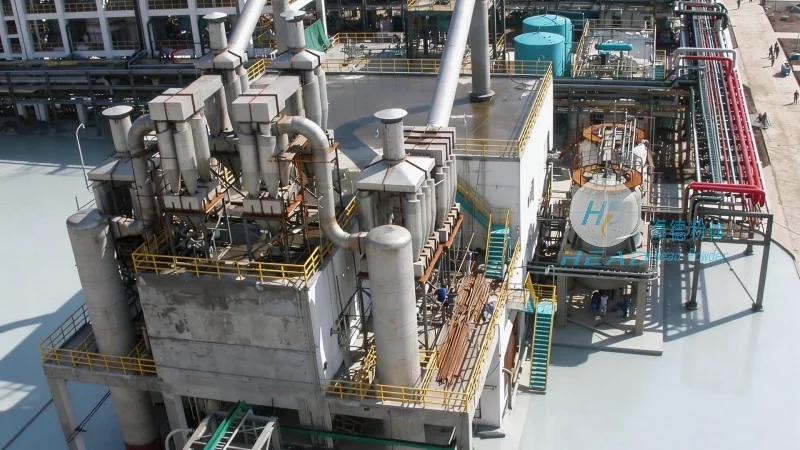
Understanding Pneumatic Conveying Systems for Carbon Powder
Pneumatic conveying systems are essential for the efficient and safe transportation of carbon powders in industrial settings. These systems utilize air or other gases to move powders through pipelines, offering a non-contact method that minimizes product contamination and reduces the risk of dust explosions. The primary types of pneumatic conveying systems include pressure, vacuum, and mixed systems, each with distinct characteristics suitable for different operational requirements.
Types of Pneumatic Conveying Systems
1. Pressure Pneumatic Conveying: This system operates by forcing air or gas under pressure into a sealed pipeline containing the carbon powder. The pressure differential propels the powder forward, making it suitable for long-distance and high-capacity transport. Pressure systems are commonly used in applications where the powder needs to be moved from a central storage area to multiple processing points.
2. Vacuum Pneumatic Conveying: In contrast to pressure systems, vacuum systems use a vacuum to draw the carbon powder into the pipeline. This method is ideal for short-distance transport and for handling powders that are sensitive to pressure changes or require gentle handling. Vacuum systems are often employed in applications where the powder needs to be collected from various sources and transported to a central processing unit.
3. Mixed Pneumatic Conveying: Also known as combined systems, these utilize both pressure and vacuum principles to optimize the conveying process. Mixed systems can start with a vacuum to draw the powder into the pipeline and then use pressure to move it to the destination. This approach is particularly effective for complex layouts and varying distances, providing flexibility in system design and operation.
Practical Applications in Carbon Powder Industry
The versatility of pneumatic conveying systems makes them indispensable in various stages of carbon powder processing. From raw material handling to finished product distribution, these systems enhance productivity and safety. Some key applications include:
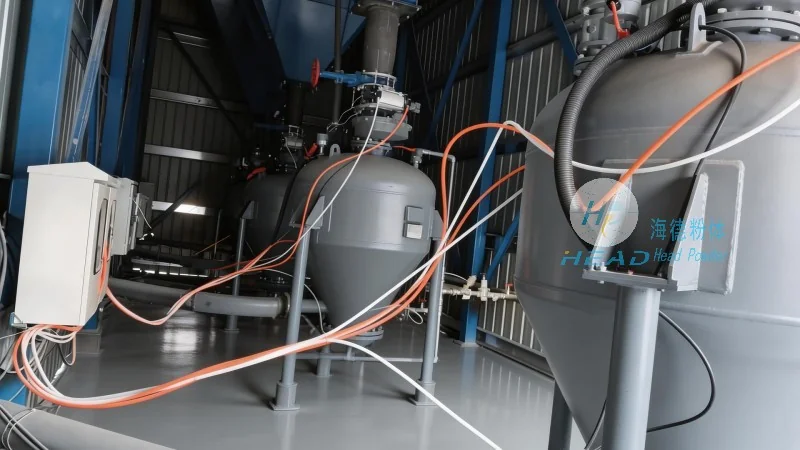
1. Raw Material Handling: In the production of carbon powders, raw materials such as graphite, carbon black, or other carbon-based substances are often stored in bulk and need to be transported to processing units. Pneumatic conveying systems efficiently move these materials from storage silos or hoppers to mixing and grinding equipment, ensuring a continuous and controlled supply.
2. Process Integration: During the manufacturing process, carbon powders may need to be transferred between different processing stages, such as from a mixer to a dryer or from a dryer to a packaging unit. Pneumatic conveying systems facilitate seamless integration of these processes, reducing downtime and improving overall production efficiency.
3. Product Distribution: After processing, carbon powders are typically packaged and distributed to customers. Pneumatic conveying systems can be integrated with packaging lines to move the finished product from the production line to storage or shipping areas, ensuring a smooth and efficient distribution process.
Advantages of Pneumatic Conveying Systems
Implementing pneumatic conveying systems for carbon powder transport offers several advantages over traditional methods like belt conveyors or manual handling. These benefits include:
1. Reduced Product Contamination: As the powder is conveyed in a sealed system, there is minimal exposure to external contaminants, maintaining the purity of the carbon powder. This is crucial for applications where product quality is critical, such as in the production of high-purity carbon materials.
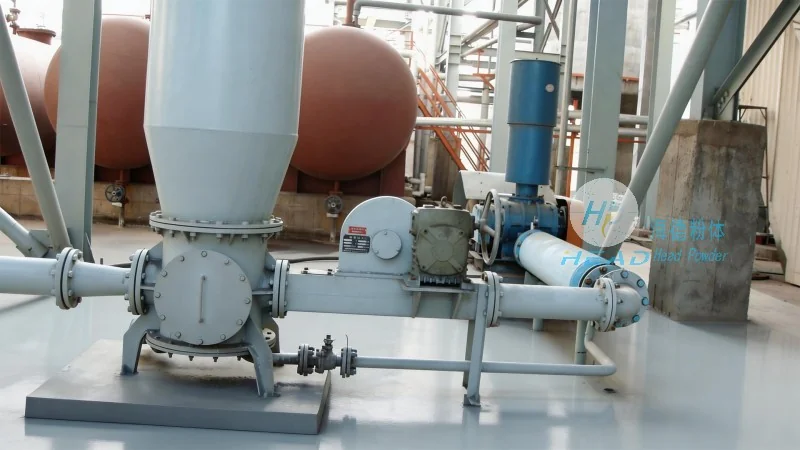
2. Enhanced Safety: Pneumatic systems eliminate the need for manual handling of powders, reducing the risk of dust inhalation and other health hazards. Additionally, the sealed design prevents dust from escaping into the environment, complying with environmental regulations and improving workplace safety.
3. Increased Efficiency and Productivity: By automating the conveying process, pneumatic systems reduce labor costs and increase production throughput. The continuous flow of material ensures that processing equipment operates at optimal capacity, minimizing downtime and maximizing output.
4. Space Efficiency: Pneumatic conveying systems can be installed in compact spaces, making them suitable for facilities with limited floor area. The flexibility of pipeline routing allows for the design of systems that fit within existing plant layouts, optimizing space utilization.
HeadPowder's Expertise in Pneumatic Conveying Solutions
Shandong HeadPowder Engineering Co., Ltd. leverages decades of experience in designing and manufacturing pneumatic conveying systems tailored to the specific needs of the carbon powder industry. Our team of engineers works closely with clients to understand their operational requirements, material characteristics, and production goals, ensuring that the selected system is optimized for performance and reliability.
Our pneumatic conveying systems are engineered to meet the highest standards of efficiency, safety, and durability. We utilize advanced materials and components to ensure long-term performance, and our systems are designed for easy maintenance and troubleshooting. HeadPowder's commitment to quality and customer satisfaction has made us a trusted partner for businesses seeking reliable and effective carbon powder transport solutions.




