

Components of Plastic Pellet Pneumatic Conveying
Pneumatic conveying systems for plastic pellets are integral to modern manufacturing workflows, facilitating efficient and reliable material transport. These systems are engineered to handle plastic pellets, which are widely utilized in the production of various plastic products. A comprehensive understanding of the components that constitute such systems is essential for optimizing performance and ensuring seamless operation. The following sections delineate the key components that make up a typical plastic pellet pneumatic conveying system, offering insights into how each element contributes to the overall functionality.
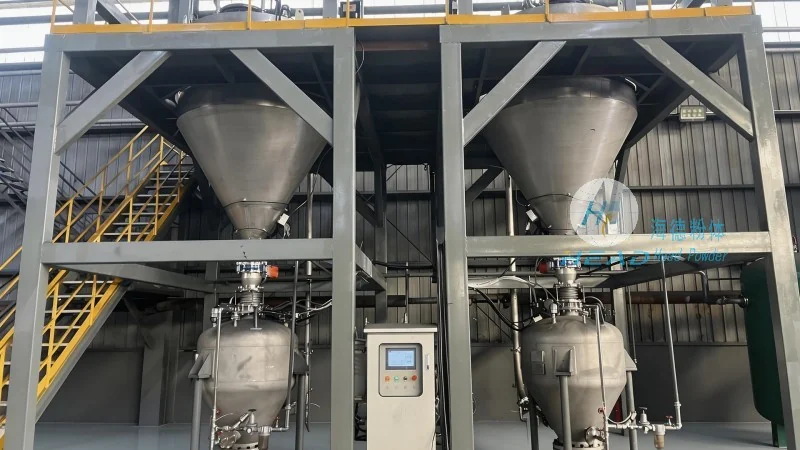
Core Components of Plastic Pellet Pneumatic Conveying
The fundamental components of a plastic pellet pneumatic conveying system include the hopper, feeder, conveying line, and receiver. Each component serves a critical role in the material handling process. The hopper functions as the storage vessel for the plastic pellets, ensuring a consistent supply of material. The feeder, typically a rotary valve or screw feeder, regulates the flow of pellets from the hopper into the conveying line. The conveying line, constructed from metal or plastic, transports the pellets through the system via air pressure. The receiver is the final storage container where the pellets are deposited after being conveyed.
Feeder and Hopper Systems
The feeder and hopper are pivotal components that ensure the smooth and controlled feeding of plastic pellets. The hopper is designed to hold a sufficient quantity of pellets, preventing interruptions in the conveying process. It is commonly fabricated from stainless steel or other corrosion-resistant materials to preserve the quality of the plastic pellets. The feeder, often a rotary airlock or a screw feeder, controls the discharge rate of pellets from the hopper. This component is vital for maintaining a consistent flow rate, which is crucial for the efficient operation of the pneumatic conveying system. The feeder also prevents backflow of air and pellets, ensuring the system operates safely and effectively.
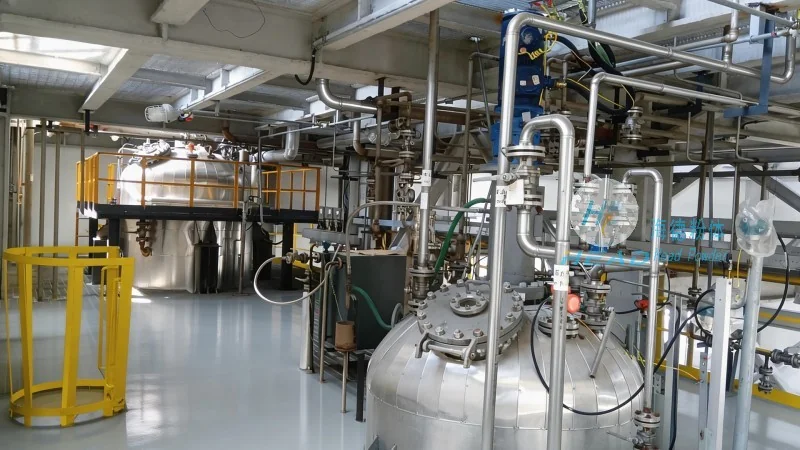
Conveying Line and Air System
The conveying line is the central element of the pneumatic conveying system, responsible for transporting the plastic pellets from the feeder to the receiver. The line is typically made of stainless steel or plastic pipes, selected based on the specific application requirements. The air system, which comprises a blower or vacuum pump, provides the necessary air pressure to move the pellets through the line. The air pressure is meticulously controlled to ensure the pellets are conveyed without damage. The conveying line may incorporate bends, elbows, and other fittings to direct the flow of pellets and air. These components are designed to minimize pressure loss and ensure efficient material transport.
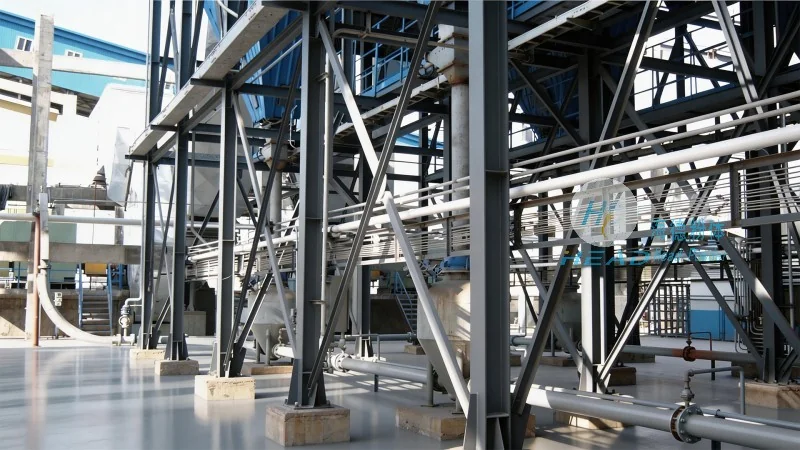
Receiver and Control Systems
The receiver is the final component of the pneumatic conveying system, where the plastic pellets are deposited after being conveyed. It is typically a storage bin or hopper that can hold the conveyed pellets. The receiver is engineered to prevent the pellets from being exposed to the air, which can cause degradation or contamination. The control systems, which include sensors and valves, monitor the pressure and flow of air and pellets within the system. These systems ensure the conveying process is controlled and optimized. The control systems can also detect any blockages or other issues in the system, allowing for timely maintenance and repair.
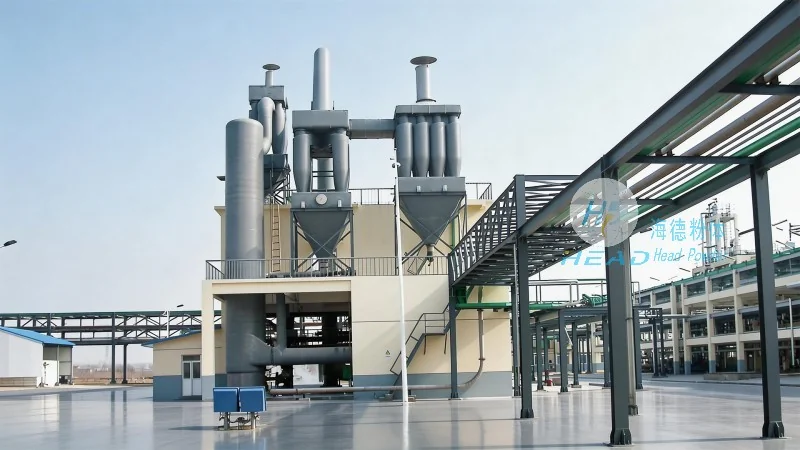
Role of Shandong HeadPowder Engineering Co., Ltd.
Shandong HeadPowder Engineering Co., Ltd., a leading manufacturer in the field, specializes in the design and production of plastic pellet pneumatic conveying systems. The company, known as HeadPowder, provides high-quality components and systems tailored to meet the specific needs of its clients. With a focus on innovation and quality, HeadPowder ensures that its products are reliable and efficient. The company's expertise in material handling systems has made it a trusted partner for many manufacturers in the plastic industry. By understanding the components of plastic pellet pneumatic conveying systems, clients can make informed decisions about their material handling requirements and select the appropriate system for their applications.
Conclusion
In summary, plastic pellet pneumatic conveying systems consist of several key components, including the hopper, feeder, conveying line, and receiver. Each component plays a vital role in the efficient transport of plastic pellets. The feeder and hopper ensure a consistent supply of material, while the conveying line and air system transport the pellets. The receiver and control systems complete the process, ensuring the pellets are safely and efficiently handled. Shandong HeadPowder Engineering Co., Ltd. offers high-quality components and systems that are designed to meet the specific needs of its clients, providing reliable and efficient material handling solutions.