Calcined sand pneumatic conveying is a crucial technology in the field of powder handling, widely used for transporting calcined sand and other fine powders in industrial applications. This method involves using a gas stream, typically air or other gases, to move solid particles through a pipeline. The process is efficient, flexible, and can handle various types of powders, including calcined sand, which is a key material in many manufacturing processes.
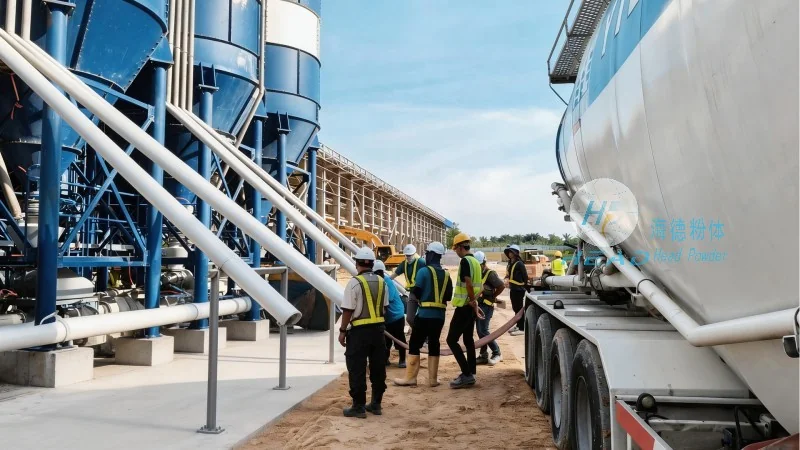
Understanding Pneumatic Conveying Systems
Pneumatic conveying systems are designed to transport bulk materials like calcined sand from one location to another without the need for mechanical components such as conveyor belts or buckets. The system typically consists of a hopper, a blower or compressor, a pipeline, and a receiver. The hopper holds the calcined sand, and when the system is activated, the blower creates a low-pressure zone that draws the sand into the pipeline. The gas stream then carries the particles through the pipeline to the receiver, where they are deposited.
The Role of Calcined Sand in Industrial Applications
Calcined sand, also known as fused silica or quartz sand, is produced by heating natural sand to high temperatures, which removes moisture and other impurities. It is a high-purity material with excellent thermal stability and refractory properties, making it essential in industries such as glass manufacturing, foundry, and refractory production. The ability to efficiently transport calcined sand using pneumatic conveying systems is vital for maintaining production efficiency and quality control in these industries.
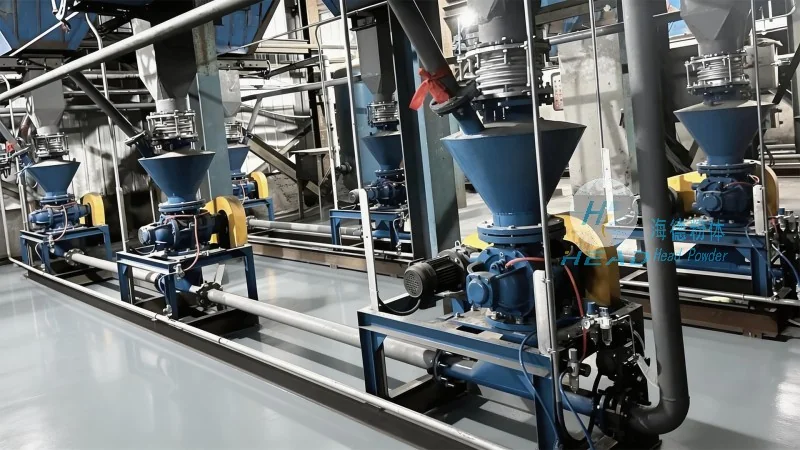
Key Components of a Pneumatic Conveying System for Calcined Sand
The effectiveness of a pneumatic conveying system for calcined sand depends on several key components. The hopper is designed to store the calcined sand and ensure a consistent feed rate. The blower or compressor provides the necessary air pressure to move the particles. The pipeline must be properly sized and constructed to minimize pressure drop and prevent particle segregation. The receiver is where the calcined sand is collected and can be further processed. Each component plays a critical role in ensuring the system operates efficiently and reliably.
Advantages of Pneumatic Conveying for Calcined Sand
Compared to traditional bulk material handling methods like belt conveyors or bucket elevators, pneumatic conveying offers several advantages when handling calcined sand. One of the main benefits is the ability to transport the material in a closed system, which helps to prevent dust contamination and environmental pollution. This is particularly important for calcined sand, which can be a source of fine particles that may affect air quality. Additionally, pneumatic conveying systems are flexible and can be easily adapted to different production layouts, allowing for changes in the flow rate or direction of the material transport. The system also reduces the risk of material degradation or contamination, which is crucial for maintaining the high purity of calcined sand.
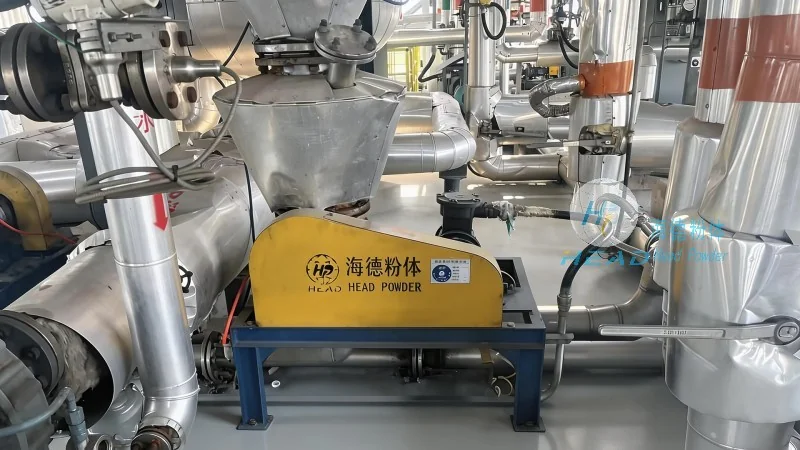
Applications of Pneumatic Conveying in Calcined Sand Processing
Pneumatic conveying systems are widely used in various applications involving calcined sand processing. In glass manufacturing, for example, calcined sand is used as a raw material to produce glass products. The pneumatic conveying system can transport the calcined sand from storage to the glass melting furnace, ensuring a continuous and controlled supply of the material. In foundry applications, calcined sand is used as a refractory material in molds and cores. The system can efficiently transport the sand to the foundry, where it is used in the production process. In refractory production, calcined sand is used as a raw material for making refractory bricks and other products. The pneumatic conveying system helps to move the sand from the raw material storage to the production line, improving the overall efficiency of the process.
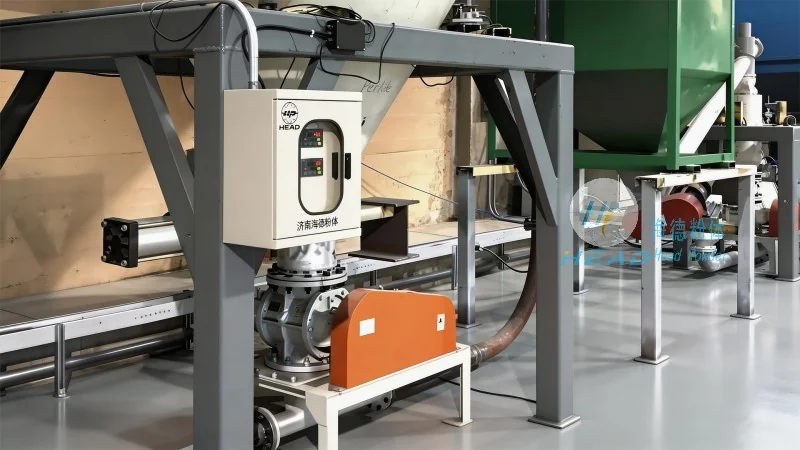
Considerations for Designing a Pneumatic Conveying System for Calcined Sand
When designing a pneumatic conveying system for calcined sand, several factors must be considered to ensure optimal performance. The first is the particle size and density of the calcined sand, as these properties affect the flow characteristics and the required air pressure. The system must be designed to handle the specific properties of the material to avoid issues such as blockages or excessive pressure drop. The second factor is the distance and layout of the pipeline, as these affect the pressure requirements and the overall system design. The third factor is the required flow rate, which determines the size of the blower or compressor and the diameter of the pipeline. Proper consideration of these factors is essential to ensure the system operates efficiently and reliably.
HeadPowder's Expertise in Pneumatic Conveying Systems
Shandong HeadPowder Engineering Co., Ltd., a leading provider of powder handling solutions, specializes in designing and manufacturing pneumatic conveying systems for various applications, including calcined sand. With years of experience in the industry, HeadPowder has developed a deep understanding of the unique challenges associated with handling calcined sand and has developed innovative solutions to address these challenges. The company's team of engineers and technicians work closely with clients to understand their specific needs and design systems that meet their requirements. HeadPowder's systems are known for their reliability, efficiency, and durability, making them a trusted choice for industries that rely on calcined sand for their production processes.




