For industries dealing with fine powders like barium carbonate (BaCO3), efficient and reliable material handling is crucial. Pneumatic conveying systems offer a solution that minimizes dust, reduces material loss, and enhances overall process safety. This article delves into the working principles of BaCO3 pneumatic conveying, highlighting how such systems operate and the key components involved.
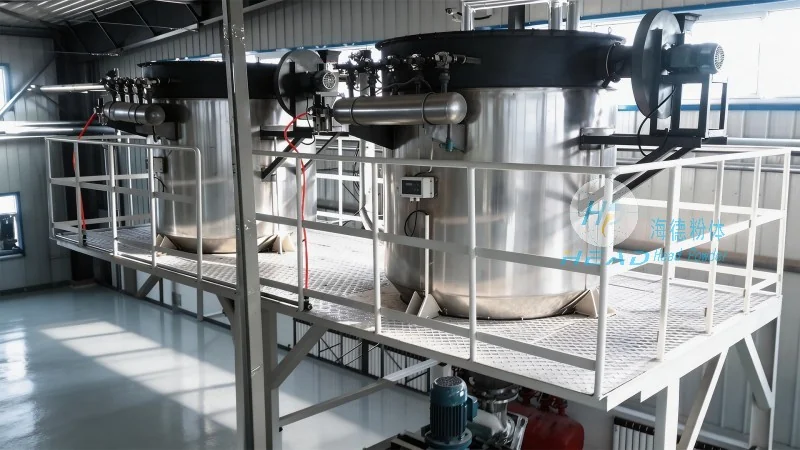
Understanding Pneumatic Conveying Technology
Pneumatic conveying, also known as powder handling systems, utilizes compressed air or gas to transport bulk materials through a pipeline. In the case of BaCO3, which is a white crystalline powder commonly used in industries like ceramics, glass, and pharmaceuticals, this method ensures that the material is moved without direct contact with mechanical components, preserving its quality and preventing contamination.
Key Components of a BaCO3 Pneumatic Conveying System
The effectiveness of a BaCO3 pneumatic conveying system depends on several critical components that work in tandem. These include:
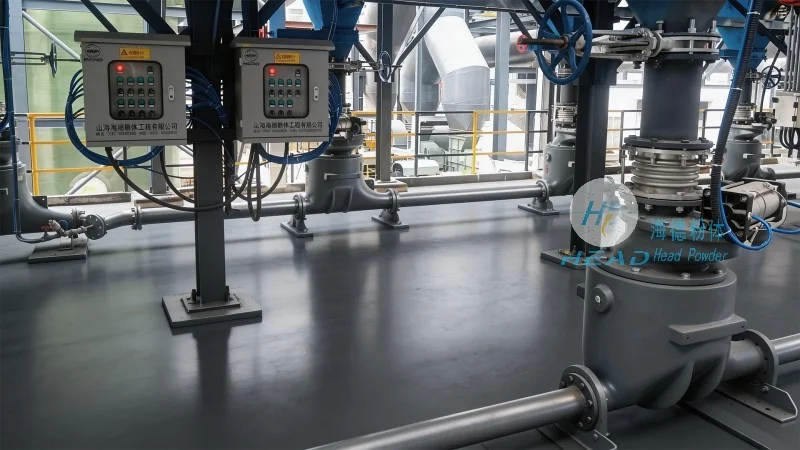
- Feeder: The feeder is responsible for accurately metering the BaCO3 powder and introducing it into the conveying line. It ensures a consistent flow rate, which is essential for maintaining system efficiency and preventing blockages.
- Conveying Line: The pipeline through which the BaCO3 is transported. The design of the line, including its diameter and material, is crucial to minimize friction and pressure drop, ensuring smooth material movement.
- Compressor/Blower: This component generates the necessary air pressure to move the BaCO3 particles. The choice of compressor (positive displacement or centrifugal) depends on factors such as the system's capacity and the distance the material needs to travel.
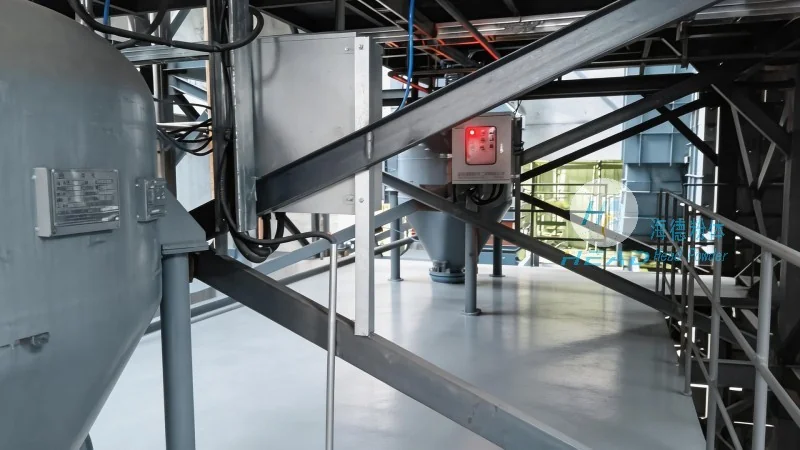
- Separation and Collection Equipment: At the receiving end, the system includes equipment like cyclones or filters to separate the BaCO3 from the air stream. This ensures that the material is collected in a clean and dry state, ready for further processing.
Working Principle of BaCO3 Pneumatic Conveying
The process begins with the BaCO3 powder being fed into the system. The feeder controls the flow rate, and the compressor then supplies compressed air into the conveying line. As the air flows, it entrains the BaCO3 particles, creating a slurry-like mixture. This mixture travels through the pipeline under pressure, with the air velocity sufficient to keep the particles suspended. Upon reaching the destination, the air is separated from the powder, typically using a cyclone or a filter, and the BaCO3 is collected in a hopper or storage tank.
Advantages of Using Pneumatic Conveying for BaCO3
Implementing a pneumatic conveying system for BaCO3 offers several advantages over traditional methods like bucket elevators or belt conveyors. These include:
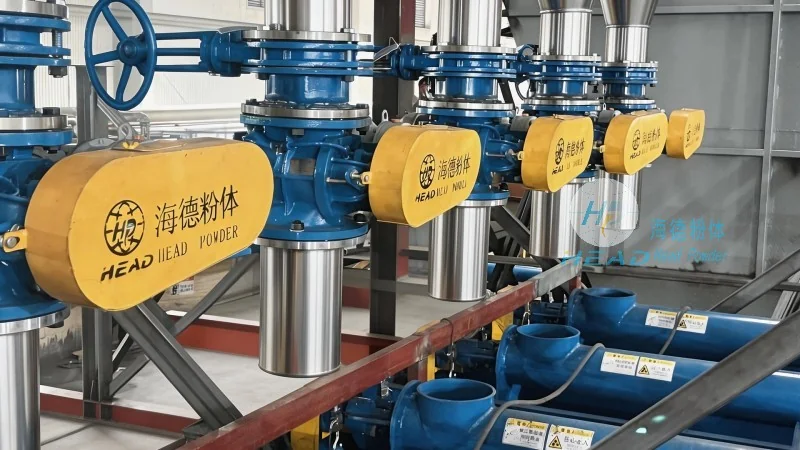
- Reduced Dust and Contamination: The enclosed system prevents dust from escaping into the environment, maintaining a cleaner workplace and complying with environmental regulations.
- Improved Material Integrity: Since the BaCO3 is not subjected to mechanical stress, its particle size and quality are preserved, which is vital for applications where particle characteristics affect product performance.
- Space Efficiency: Pneumatic conveying systems can be installed in compact spaces, making them suitable for facilities with limited room for large equipment.
- Flexibility in Layout: The system can be configured to handle multiple points of loading and unloading, allowing for flexible material routing within a plant.
Applications of BaCO3 Pneumatic Conveying
BaCO3, with its high purity and specific properties, is used in various industries. The pneumatic conveying system is particularly beneficial in these applications:
- Ceramics and Glass Manufacturing: BaCO3 is used as a flux in the production of ceramic glazes and glass, where precise material handling is essential to maintain product quality.
- Pharmaceuticals: In the pharmaceutical industry, the use of BaCO3 as an excipient or in the formulation of certain drugs requires sterile and contamination-free handling, which pneumatic conveying systems provide.
- Chemical Processing: BaCO3 is used in chemical reactions as a reagent, and the system ensures that the material is delivered to reactors without any loss or degradation.
Conclusion
Pneumatic conveying systems, especially for handling barium carbonate, represent a sophisticated and efficient solution for bulk material transport. By understanding the working principles and key components, industries can optimize their material handling processes, ensuring safety, efficiency, and product quality. For those seeking reliable solutions, companies like Shandong HeadPowder Engineering Co., Ltd. specialize in designing and implementing such systems tailored to specific industrial needs.




