For industries dealing with explosive powders, the safe and efficient transfer of materials is paramount. This article explores the concept of powder explosive pneumatic conveying equipment, detailing its structure and operational principles to provide a comprehensive understanding of this critical technology.
Understanding Pneumatic Conveying Systems for Explosive Powders
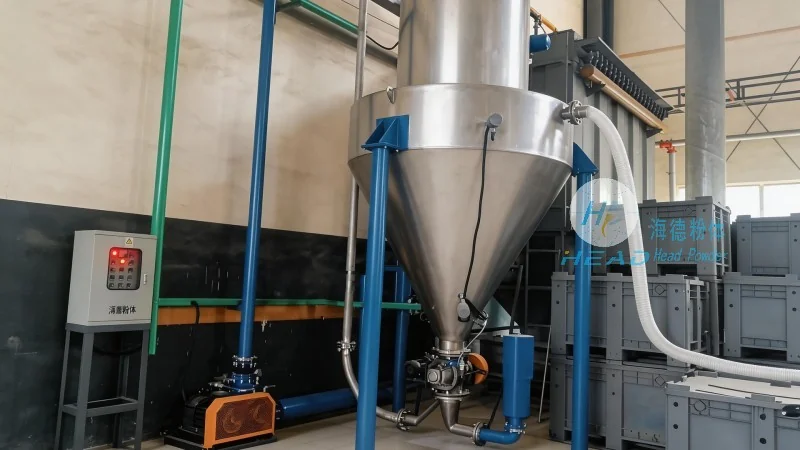
Pneumatic conveying systems are designed to transport bulk materials, such as explosive powders, through a pipeline using pressurized air or vacuum. The primary goal is to achieve safe, controlled, and reliable movement of these materials without the risk of explosion or contamination. In the context of explosive powders, specialized equipment is essential to meet stringent safety standards and regulatory requirements.
Key Components of Powder Explosive Pneumatic Conveying Equipment
The structure of a typical powder explosive pneumatic conveying system includes several critical components that work in tandem to ensure safe and efficient operation. These components are engineered to handle the unique properties of explosive powders, such as high reactivity and sensitivity to friction or impact.
Firstly, the feeding unit is responsible for introducing the powder into the system. This component is designed to minimize the risk of dust generation and ensure a consistent flow of material. For explosive powders, specialized feeders, such as rotary valves or screw feeders, are often used to control the material feed rate and prevent accidental release.
Secondly, the conveying line forms the core of the system, consisting of a pipeline that transports the powder. The pipeline is typically made of materials resistant to corrosion and impact, such as stainless steel or special alloys, to withstand the demands of handling explosive powders. The design of the pipeline, including bends and fittings, is optimized to reduce pressure loss and minimize the risk of material buildup or blockages.
Thirdly, the air supply system provides the necessary pressure or vacuum to move the powder through the pipeline. This system includes compressors, air filters, and regulators to ensure a clean and controlled airflow. For explosive powders, the air supply is often filtered to remove contaminants and may include explosion-proof components to prevent ignition sources.
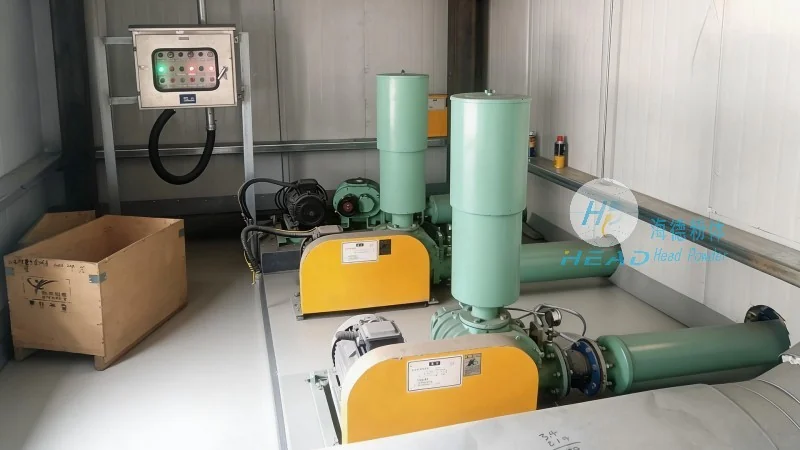
Fourthly, the control system monitors and regulates the operation of the entire conveying process. This includes sensors for pressure, flow, and temperature, as well as control panels to adjust the system parameters in real-time. The control system is crucial for maintaining safe operating conditions and preventing over-pressurization or other hazards.
Operational Principles of Powder Explosive Pneumatic Conveying
The operational principle of a pneumatic conveying system for explosive powders involves the use of air to create a flow of material through the pipeline. There are two main types of pneumatic conveying: pressure and vacuum systems.
In a pressure system, compressed air is introduced at the inlet of the pipeline, pushing the powder forward. The air and powder mixture travels through the pipeline, with the air providing the necessary force to overcome friction and gravity. The system is typically used for short to medium distances and high flow rates.
In a vacuum system, a vacuum is created at the outlet of the pipeline, drawing the powder into the system. The vacuum pulls the powder through the pipeline, with the air flow being controlled to maintain a stable and efficient transfer. Vacuum systems are often used for longer distances or when the material needs to be transported from a lower elevation.
For explosive powders, the operational principles are adapted to ensure safety. This includes controlling the air flow rate to prevent dust explosions, using explosion-proof components, and implementing emergency shutdown procedures. The system is designed to minimize the risk of ignition sources and ensure that the powder is transferred in a controlled manner.
Applications and Benefits of Powder Explosive Pneumatic Conveying
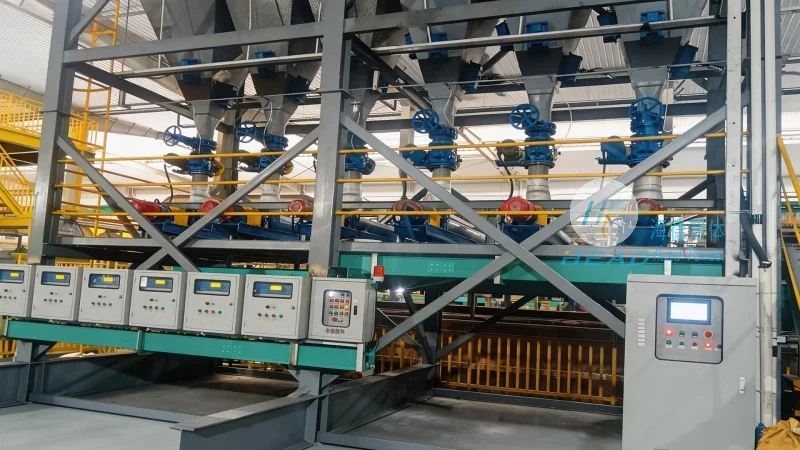
Powder explosive pneumatic conveying equipment is widely used in various industries, including pharmaceuticals, chemicals, and explosives manufacturing. The primary benefits of this technology include improved safety, increased efficiency, and reduced labor costs.
By using pneumatic conveying, companies can eliminate the need for manual handling of explosive powders, reducing the risk of accidents and injuries. The system also allows for continuous and automated material transfer, improving production efficiency and reducing downtime. Additionally, the enclosed pipeline design prevents dust contamination and environmental pollution, ensuring compliance with environmental regulations.
About Shandong HeadPowder Engineering Co., Ltd.
Shandong HeadPowder Engineering Co., Ltd., commonly known as headpowder, is a leading manufacturer of specialized equipment for the handling of explosive powders. With headquarters in Shandong, China, the company has extensive experience in designing and manufacturing pneumatic conveying systems tailored to the unique needs of the industry.
headpowder's expertise lies in the development of safe and efficient solutions for powder transfer, adhering to the highest safety standards and regulatory requirements. The company's products are engineered to handle a wide range of explosive powders, from fine powders to granules, and are suitable for various applications, including production lines, storage facilities, and transportation.
With a focus on innovation and quality, headpowder provides comprehensive solutions for the safe handling of explosive powders, ensuring that clients can operate their facilities with confidence and compliance. The company's commitment to safety and reliability has made it a trusted partner for industries dealing with hazardous materials.




