Pneumatic Conveying Equipment for Corn: Structure and Principle of Powder Conveying Systems
Release time:2026-09-14 10:50:55
name of the company:Shandong Headpowder Engineering Co., Ltd.
telephone:156-6277-7102
contacts:Zhang manager
Understanding the structure and working principles of pneumatic conveying equipment is crucial for industries dealing with bulk materials like corn. This article provides a detailed overview of the components, operation, and applications of such systems, focusing on the specific case of corn handling.
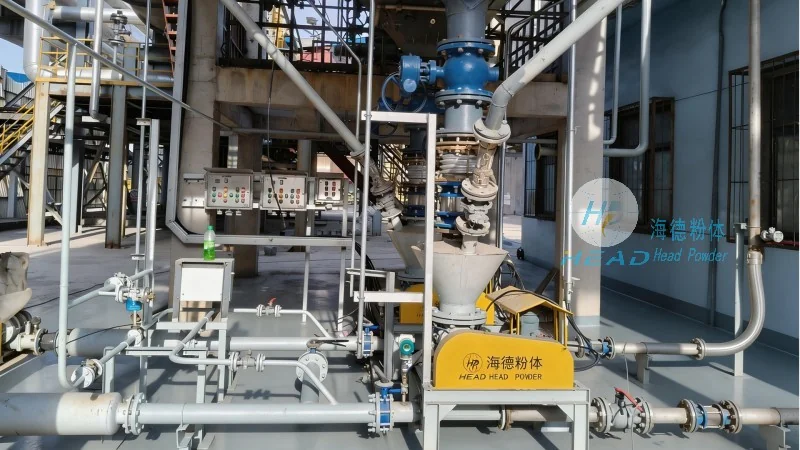
Pneumatic Conveying: An Overview
Pneumatic conveying systems use air or gas to transport solid particles, such as corn kernels, through a pipeline. Unlike mechanical systems that rely on belts or screws, these systems are ideal for handling fine or dusty materials, offering advantages like low maintenance, flexibility in layout, and the ability to transport materials over long distances without degradation.
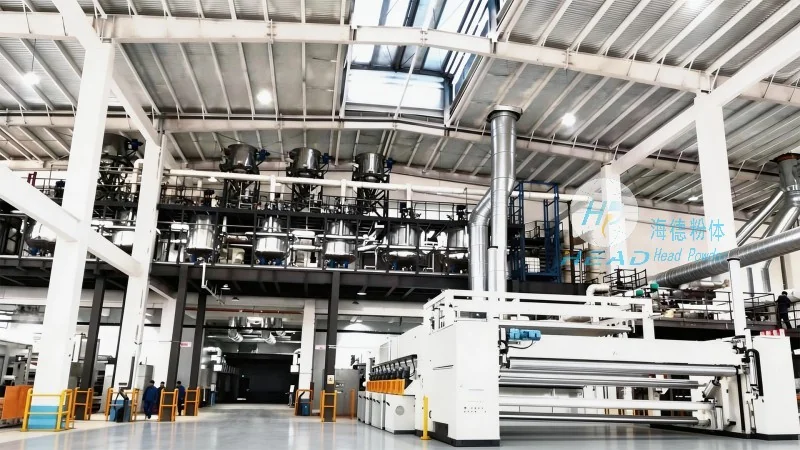
Key Components of Corn Pneumatic Conveying Equipment
The core components of a corn pneumatic conveying system include the following:
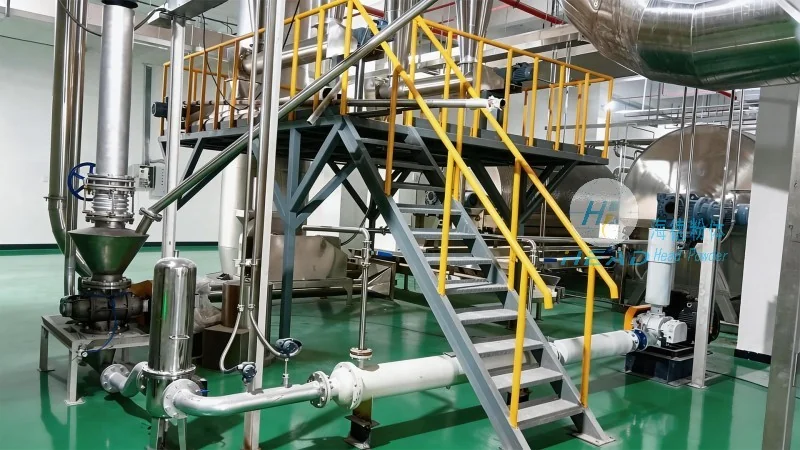
- Feed Hopper and Metering Device: The feed hopper stores the corn and feeds it into the system at a controlled rate. The metering device ensures a consistent flow, preventing overloading or underloading of the conveyor.
- Air Supply System: This includes a blower or compressor that generates the necessary air pressure and volume. The air supply is critical for creating the airflow that propels the corn particles through the pipeline.
- Conveying Pipeline: The pipeline is typically made of stainless steel or other corrosion-resistant materials to handle the abrasive nature of corn kernels. It is designed with smooth inner surfaces to minimize friction and particle degradation.
- Gas-Solid Separation System: At the end of the conveying line, a separator (such as a cyclone or bag filter) separates the corn from the air. The separated corn is collected in a discharge hopper, while the air is either filtered or recycled back into the system.
- Control System: Modern systems incorporate sensors and controls to monitor pressure, flow, and particle concentration. This allows for automated operation and ensures optimal performance and safety.
Working Principle of Corn Pneumatic Conveying
The operation of a corn pneumatic conveying system can be explained through the following steps:
- Material Loading: Corn kernels are loaded into the feed hopper from a storage silo or other source. The metering device regulates the flow of corn into the pipeline.
- Air Injection: The blower generates high-pressure air, which is introduced into the pipeline at the feed point. The air velocity is sufficient to lift and transport the corn particles.
- Transportation: As the air flows through the pipeline, it carries the corn particles in a suspension. The particles are kept in suspension by the air velocity, which is maintained above the terminal velocity of the corn kernels.
- Separation and Discharge: At the receiving end, the air and corn mixture enters the separator. The centrifugal force in the cyclone causes the corn to be deposited in the collection chamber, while the air passes through the filter or is recycled.
- Material Collection: The separated corn is discharged into a storage bin or processing unit. The air, now clean, is either vented to the atmosphere or returned to the blower for reuse.
Advantages of Using Pneumatic Conveying for Corn
Employing pneumatic conveying equipment for corn offers several benefits:
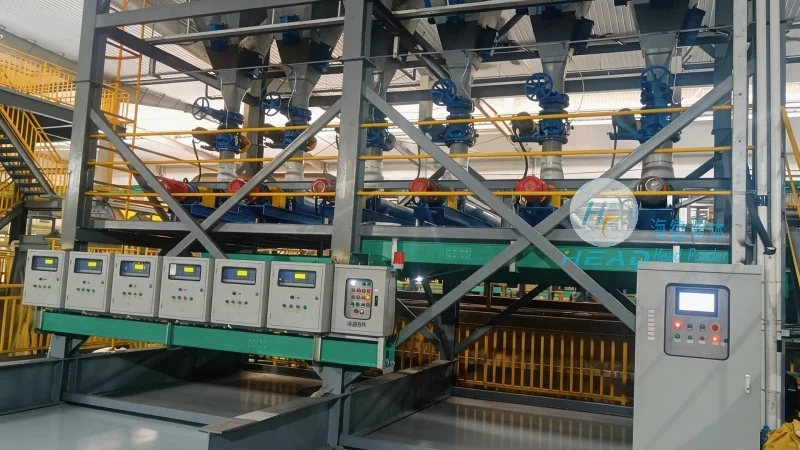
- Efficiency: The system can transport large quantities of corn over long distances with minimal energy consumption compared to other methods.
- Hygiene and Safety: Enclosed pipelines prevent dust contamination and reduce the risk of fire or explosion, which is particularly important for corn processing facilities.
- Flexibility: The layout of the conveying system can be easily modified to accommodate changes in production or facility expansion.
- Low Maintenance: With fewer moving parts compared to mechanical conveyors, pneumatic systems require less maintenance and have longer service lives.
Application in Corn Processing Industries
Corn pneumatic conveying systems are widely used in various stages of corn processing, including:




