What is a Plaster Powder Pneumatic Conveying Equipment? Introduction to the Structure and Working Pr
Release time:2026-09-14 10:51:01
name of the company:Shandong Headpowder Engineering Co., Ltd.
telephone:156-6277-7102
contacts:Zhang manager
For industrial applications involving the handling of fine powders like plaster, efficient and reliable material transport is crucial. This article explores the concept of a plaster powder pneumatic conveying system, detailing its structural components and operational principles to provide a comprehensive understanding of this essential equipment, as offered by Shandong HeadPowder Engineering Co., Ltd.
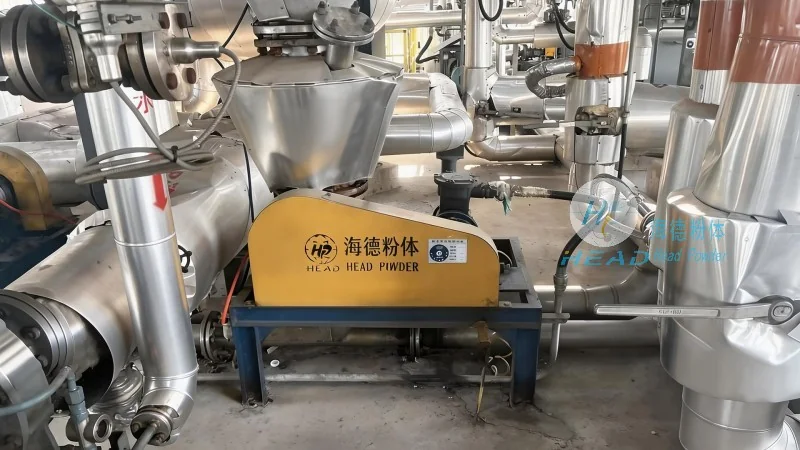
Overview of Plaster Powder Pneumatic Conveying Equipment
Plaster powder pneumatic conveying equipment, also known as powder handling systems, is designed to transport dry powders such as plaster through a pipeline using air or gas as the conveying medium. This method offers advantages over traditional mechanical conveying systems, including reduced material degradation, lower maintenance requirements, and the ability to handle abrasive or sensitive powders without the risk of contamination or damage.
Key Structural Components of the System
The core components of a typical plaster powder pneumatic conveying system include the following:
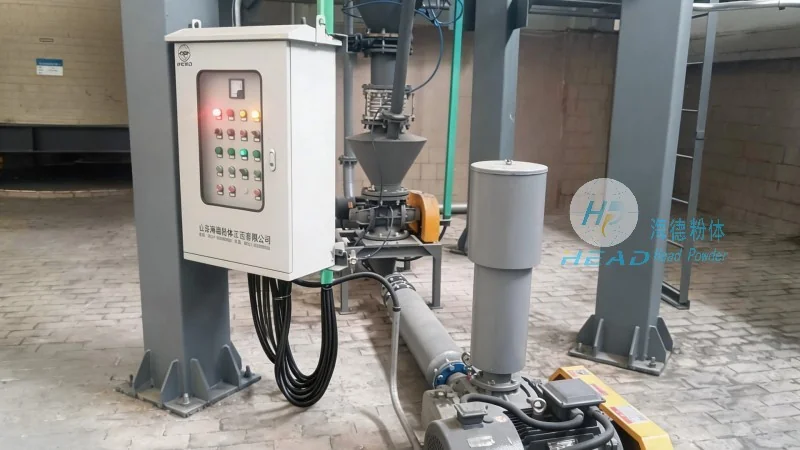
- Feeder: The feeder is responsible for feeding the plaster powder into the conveying line at a controlled rate. It ensures a consistent flow of material, preventing blockages and maintaining system efficiency.
- Pneumatic Conveying Pipe: The pipeline is the main transport channel where the plaster powder is carried by the air stream. The pipe is typically made of materials like stainless steel or plastic, chosen for their resistance to corrosion and wear from the powder.
- Blower or Air Compressor: This component generates the necessary air pressure or vacuum to move the powder through the pipeline. The choice between positive pressure and negative pressure systems depends on the application and distance of transport.
- Separation and Collection Unit: At the end of the conveying line, the separation unit separates the plaster powder from the air stream. This may involve cyclones, filters, or other separation devices to ensure the powder is collected efficiently and the air is cleaned before release.
- Control System: The control system monitors and regulates the operation of the entire system, including the feeder speed, air pressure, and separation efficiency. It ensures safe and optimal performance by detecting any abnormalities or deviations from set parameters.
Working Principle of the Pneumatic Conveying Process
The operation of a plaster powder pneumatic conveying system follows a sequence of steps to achieve effective material transport:
- Powder Feeding: The plaster powder is fed into the system via the feeder, which may be a screw feeder, rotary valve, or other feeding device. The feeder controls the flow rate to match the system's capacity.
- Air Intake and Compression: The blower or air compressor draws in ambient air and compresses it to the required pressure. This pressurized air is then introduced into the conveying pipe.
- Powder Suspension and Transport: As the compressed air flows through the pipe, it creates a low-pressure zone that draws the plaster powder into the air stream. The powder particles are suspended and carried along the pipeline by the air flow.
- Transport to Destination: The mixture of powder and air travels through the conveying pipe to the collection or processing point. The distance and layout of the pipeline determine the air pressure required for effective transport.
- Separation and Collection: At the receiving end, the separation unit uses centrifugal force or filtration to separate the plaster powder from the air. The powder is collected in a hopper or storage container, while the cleaned air is either released to the atmosphere or recirculated if necessary.
Advantages of Plaster Powder Pneumatic Conveying Equipment
Implementing a pneumatic conveying system for plaster powder offers several benefits compared to traditional methods:
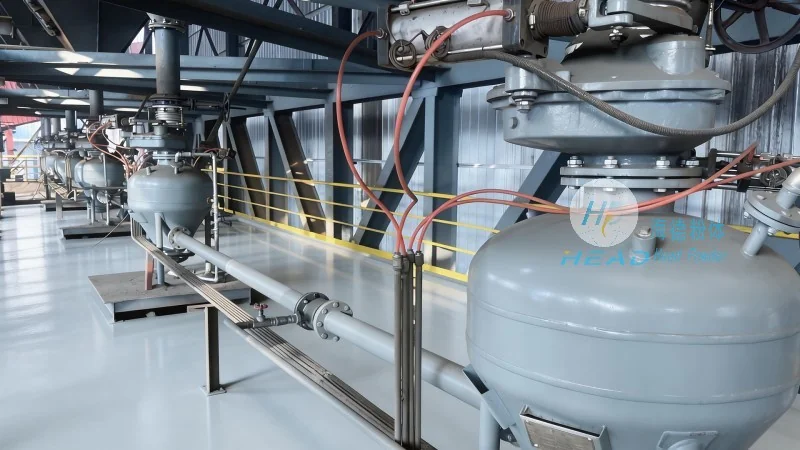
- Efficiency and Speed: The system allows for rapid and continuous transport of large quantities of plaster powder, reducing downtime and increasing production throughput.
- Reduced Material Damage: Unlike mechanical conveyors, pneumatic systems minimize the risk of particle attrition or degradation, preserving the quality and properties of the plaster powder.
- Low Maintenance: With fewer moving parts and no direct contact between the powder and mechanical components, the system requires less maintenance and has a longer service life.
- Flexibility in Layout: The pipeline design allows for flexible routing of the conveying line, enabling the system to be adapted to different plant layouts and production requirements.
- Hygienic and Clean Operation: The enclosed system prevents dust contamination and ensures a clean working environment, which is particularly important for food-grade or pharmaceutical applications.
Applications in Industrial Settings
Plaster powder pneumatic conveying equipment is widely used in various industrial sectors where fine powders need to be transported efficiently. Some common applications include:
- Construction Materials Manufacturing: In factories producing plaster, gypsum, or other building materials, the system efficiently transports raw materials and finished products to different processing stages.
- Food and Pharmaceutical Industries: For handling food-grade powders or pharmaceutical ingredients, the enclosed and hygienic design of the system ensures compliance with safety and quality standards.
- Chemical Processing: In chemical plants, pneumatic conveying is used to transport various chemical powders, including those that are abrasive or reactive, with minimal risk of contamination.
- Mineral Processing: The system is employed in mining operations to transport ore powders or byproducts from processing plants to storage or further treatment facilities.
Conclusion
Plaster powder pneumatic conveying equipment represents a sophisticated solution for the efficient and reliable transport of fine powders in industrial applications. By understanding its structural components and operational principles, businesses can select and implement the most suitable system to meet their specific material handling needs. The advantages of this technology, including efficiency, reduced material damage, and low maintenance, make it a preferred choice for industries dealing with plaster and other similar powders, as exemplified by the solutions provided by Shandong HeadPowder Engineering Co., Ltd. based in Shandong, China.




